Games That Nail Atmosphere and Mood
20 May 2026
Ever jumped into a game and instantly felt chills down your spine, or maybe a comforting sense of peace like someone tucked you in with a warm blanket? That’s atmosphere and mood doing their magic.
These aren’t just technical aspects of game design. They're the soul — the stuff that makes a game stay with you long after you've turned off your console. So, let’s talk about the games that absolutely nail this subtle but powerful part of storytelling. Not just good gameplay or killer visuals — I mean those titles that seize your senses and emotionally pull you in like a gravity well.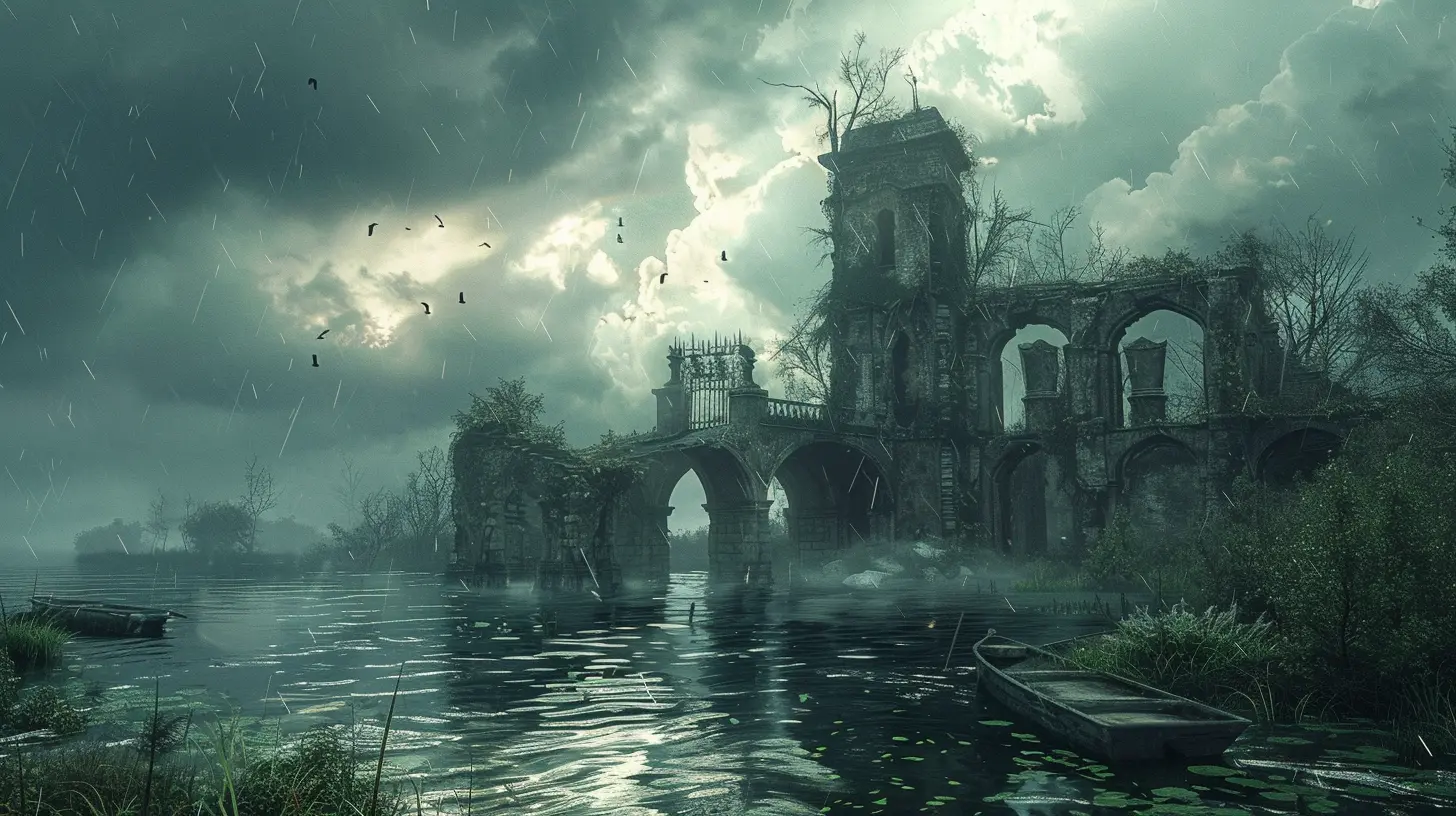
Why Atmosphere and Mood Matter
Before we dive into examples, let’s hit pause for a sec. Why do atmosphere and mood even matter in games?Well, think of a horror game that doesn't scare you, or a post-apocalyptic world that somehow feels... cheerful. That’s emotional whiplash, and it breaks immersion. Mood and atmosphere are what anchor the experience. They add depth, emotion, and even context to what you're doing in the game.
Think of them as the seasoning in a gourmet dish. Without them, the meal’s just bland, no matter how good the ingredients are.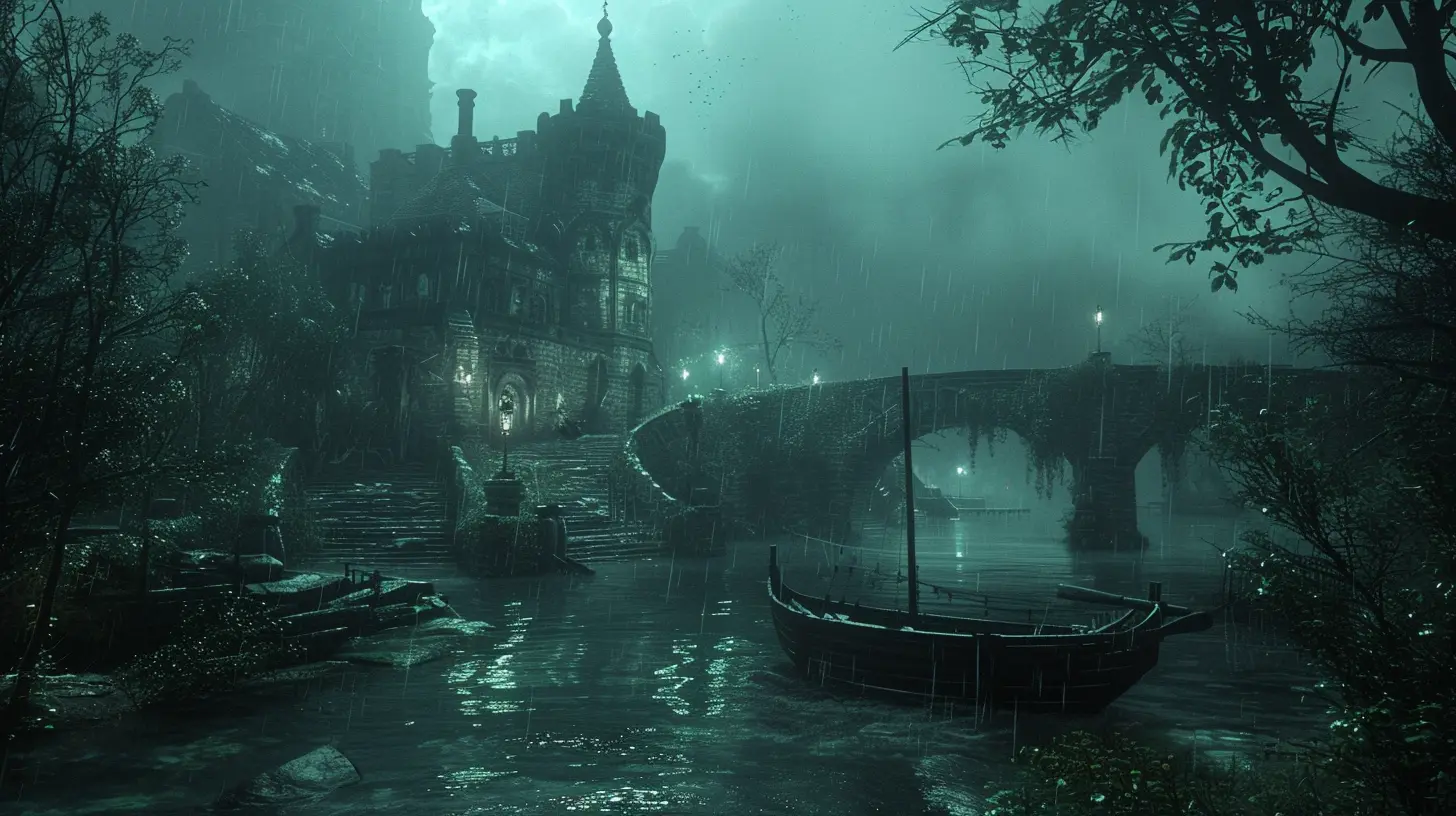
The Ingredients of Great Atmosphere
Let’s break it down. What makes a game's atmosphere feel right?- Visual Style: Not just how good it looks, but how intentional it feels. Lighting, color palettes, shadows, all that jazz.
- Sound Design: Subtle ambient noises, haunting background tracks, or even total silence. Music and sound sculpt emotion.
- World Building: Details in the environment — graffiti on the walls, old newspapers, weather, empty streets — all tell a story.
- Pacing and Mechanics: Slow, tense crawling versus high-octane movement. Everything contributes to how a mood is sustained.
Alright, now the fun part. Let's spotlight some legends that own atmosphere.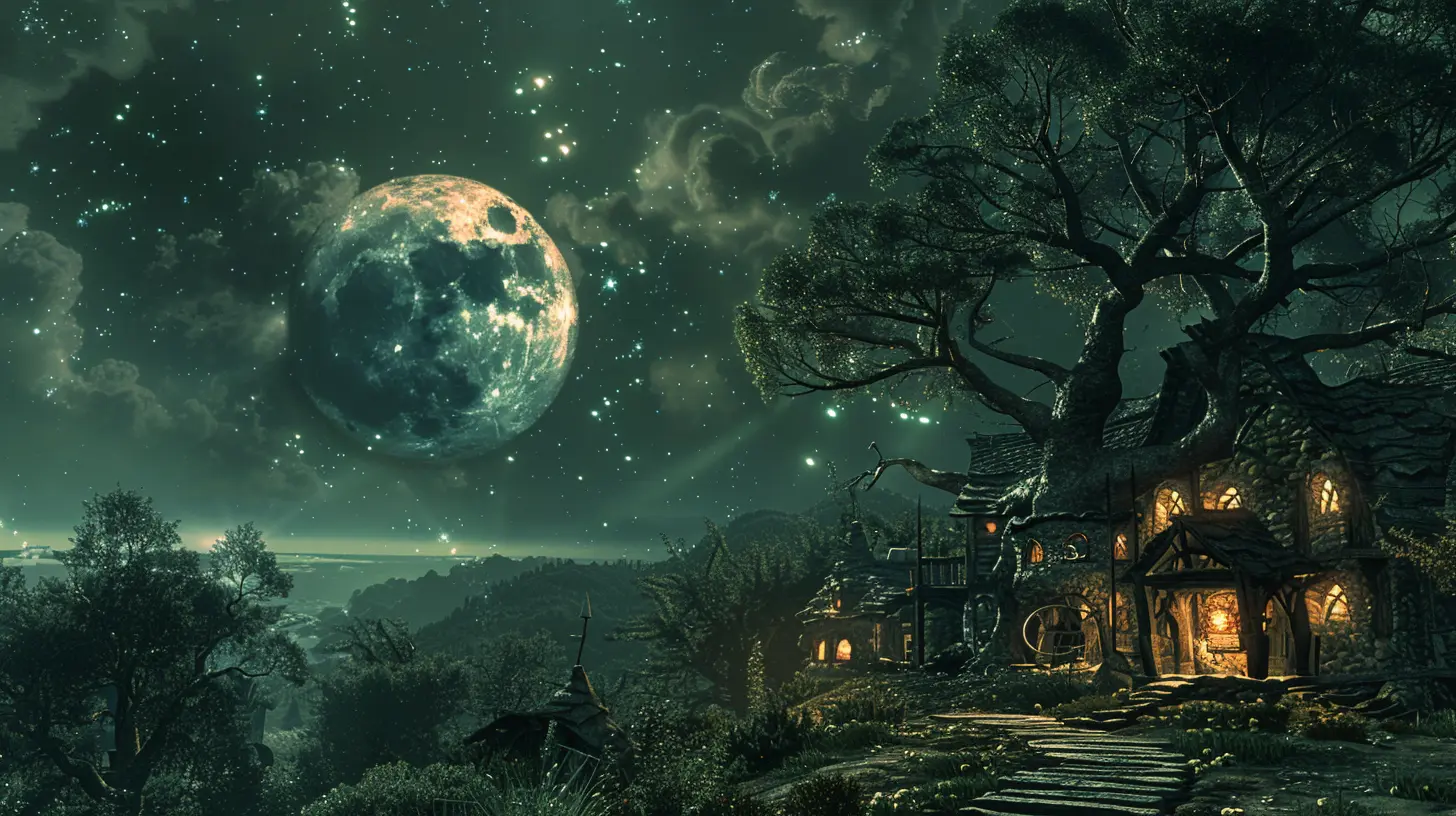
1. Hellblade: Senua’s Sacrifice — A Dive into Mental Hell
Ever wondered what it’s like to be inside someone’s tormented mind? Hellblade doesn’t just show it — it throws you in.From the get-go, the game whispers to you. Literally. Voices bounce around in your headphones, creating an eerie sense of paranoia and confusion. The world’s drenched in darkness, with everything from the misty landscapes to the twisted Norse mythology mirroring Senua's psychosis.
What makes Hellblade so special is how it uses sound, visual distortion, and unreliable narration to make you feel what Senua feels. It’s not just immersive, it’s deeply personal.
2. Limbo — Where Shadows Tell Stories
Limbo takes minimalism and turns it into emotional gold. It’s a black-and-white side-scroller with zero dialogue, yet it says so much.The atmosphere is heavy, bleak, and filled with foreboding silence. It’s like wandering through a haunted sketchbook. Every movement feels like a whisper, and every trap kills you without warning — reinforcing the eerie vulnerability of the protagonist.
This game proved you don’t need fancy graphics or massive dialogue trees to cultivate a strong mood. Sometimes, less is terrifyingly more.
3. Control — Lynchian Weirdness Done Right
Control is like walking into a sci-fi fever dream. It’s trippy, abstract, and every inch of it screams mood. The brutalist architecture of The Oldest House, shifting constantly and hiding twisted secrets, makes you feel isolated and intrigued all at once.The ambient soundtrack blends electronic pulses with unsettling silence, and the supernatural events unfolding around you deliver constant tension. There’s a confidence in the game’s narrative weirdness that just sucks you in.
You feel like you’ve stepped into a bureaucratic Twilight Zone, and honestly? It’s awesome.
4. Inside — A Silent Descent into Dystopia
Playdead’s follow-up to Limbo, Inside, deserves its own spotlight. It’s again a wordless world, but with even richer detail and even darker subtext.You start as a boy running through a forest. Sounds simple, right? But as you delve deeper, the environments grow more industrial, more terrifying. You stumble onto creepy experiments, mind control, and a sense of escalating dread.
Its final act? Let’s just say it’s one of gaming’s most bizarre gut punches — and it still haunts me.
5. Bloodborne — Gothic Horror That Bleeds Mood
Bloodborne isn’t just dark. It’s drenched in cosmic horror. Every street corner looks like it’s pulled from a nightmare, and the lore slowly unfolds like a Lovecraftian puzzle box.The crunching gravel under your boots. The distant howls. The feeling of being hunted, always. It’s a masterclass in oppressive atmosphere.
What’s more crazy? The game’s atmosphere evolves. As you progress, the world shifts from Victorian werewolf horror to something far more alien and unknowable. The deeper you go, the more it messes with your head.
6. The Last of Us Part II — Emotional Weight in Every Step
This one’s divisive, but whether you love it or not, you can’t deny the mood is thick.Set in a broken world that’s almost too real, every rusted car, overgrown building, and handwritten note contributes to the overwhelming sense of loss and survival. The soundtrack is sparse but gut-wrenching. The violence is intimate and brutal.
You’re not just playing a survival game — you’re living a tragedy. And that’s exactly what makes the atmosphere so potent. The game forces you to sit in it, to soak up every moral grey area.
7. Silent Hill 2 — Psychological Terror Done Right
No list like this is complete without Silent Hill 2. This game isn’t about jump scares. It's a slow, decaying crawl through guilt, grief, and inner torment.The fog-heavy visuals hide horrors both literal and metaphorical. Even when nothing is happening, you feel like something’s about to. That unease? It never goes away.
And the soundtrack? Iconic. Whispery piano themes, distorted radio fuzz, and that heartbeat of dread pounding in your ear. It's a mood cocktail that still hits decades later.
8. Firewatch — Solitude and Serenity
Let’s shift gears a bit.Firewatch is proof that atmosphere doesn’t always have to be creepy to be compelling. Set in the forests of Wyoming, you play as a fire lookout with nothing but nature and a walkie-talkie connection to your supervisor, Delilah.
The orange sunsets, rustling foliage, and distant animal calls create a kind of peaceful loneliness. Beneath the surface, though, there’s a slow-burning mystery that adds just the right tension.
It’s like a warm cup of tea with a drop of something darker in it.
9. Red Dead Redemption 2 — A Living, Breathing World
You know when you step out of your in-game camp just to watch the sunrise, and not because the game told you to? That’s atmosphere at work.Red Dead Redemption 2 isn’t just a cowboy game. It’s a cinematic, emotional painting stretched across a massive map. The way fog settles in the valleys, how rain soaks your coat, even the weary sighs of your horse — they all sell the mood of a fading Wild West.
It's melancholic, reflective, and achingly beautiful. That world feels alive.
10. What Remains of Edith Finch — A Quiet Punch to the Heart
Last but not least, here’s a game that hits you in the soul.Edith Finch turns a simple house into a museum of memories. Each room tells the story of a fallen family member, and every tale has its own unique gameplay style and emotional flavor.
The atmosphere swings between childhood wonder and quiet heartbreak. The mood? Always poignant.
It’s not scary. It’s not action-packed. But it’s intimate — and that’s what makes its mood stick like glue.
So, What’s the Common Thread?
All the games above — from bloody epics to quiet indie gems — have one thing in common: intentionality. They made a choice with every sound, every visual, and every interaction to build a mood.Atmosphere isn’t something slapped on top. It’s baked into the core of the experience. And when it’s done right? It elevates the game from just fun to felt.
Final Thoughts: Mood is the Game’s Soul
If gameplay is the brain of a game, then mood is the heart.Creating an atmosphere that lingers in your memory is no easy feat. It requires vision, subtlety, and most of all, respect for the player’s emotions. The games that nail it are the ones we remember not just for what we did — but for how they made us feel.
So next time you boot up a new title, pause for a second. Listen. Look around. Let it pull you in. That’s where the real magic lives.
all images in this post were generated using AI tools
Category:
Gaming ReviewsAuthor:

Whitman Adams
Discussion
rate this article
1 comments
Zevonis Bryant
Great read! The power of atmosphere in games can't be overstated. When a game draws you in with its mood, it's like stepping into a whole new world. These immersive experiences stick with us long after we turn off the screen. Can't wait to dive into the titles you mentioned!
May 20, 2026 at 4:45 AM
Whitman Adams
Thanks for the kind words! I'm glad you enjoyed it. The atmosphere truly makes a game unforgettable. Happy gaming!