Games That Turn Repetition Into Fun
27 February 2026
Let’s be honest for a second—repetition in games can be a double-edged sword. On one side, you’ve got that grindy, soul-crushing loop that feels more like a chore. But on the other? That's where the magic happens. That’s where games somehow manage to transform doing the same thing over and over again into something you just can’t stop playing. Seriously, you look at the clock and whoops—it’s 3AM.
So, what makes some games so good at turning repetitive mechanics into pure joy? Is it the gameplay loop? The dopamine hit from tiny wins? The satisfying rhythm? Honestly, it’s a little bit of everything. Let’s dive into how some games make repetition not just bearable, but fun as hell.
Why Repetition Isn't Always a Bad Thing
Before we get into specific games, let’s bust a myth: repetition doesn’t automatically suck. Think about your favorite songs. You’ve probably replayed them a hundred times, and they still slap. Or that one comfort meal you keep making… It’s all about how repetition is delivered and how it makes you feel.Games are no different. When done right, repetition can create flow. That zen-like state where time disappears, and you’re completely dialed in. Psychologists call it the "Flow State", but we gamers call it "five more minutes."
The Secret Sauce: Why Repetitive Games Work
So what’s the recipe? Here are a few key ingredients that make repetition work in gaming:- Progression: Even if you're doing the same task, feeling like you're moving forward makes a huge difference.
- Challenge with Mastery: The more you do something, the better you get. Games that let you flex that growing skill? Addictive.
- Reward Feedback Loops: That little loot drop sound? The flashy EXP bar? It’s digital sugar, and we all love it.
- Variety within Repetition: Slight changes each time you play keep things fresh while maintaining familiarity.
Let’s check out some of the games that have absolutely nailed this formula.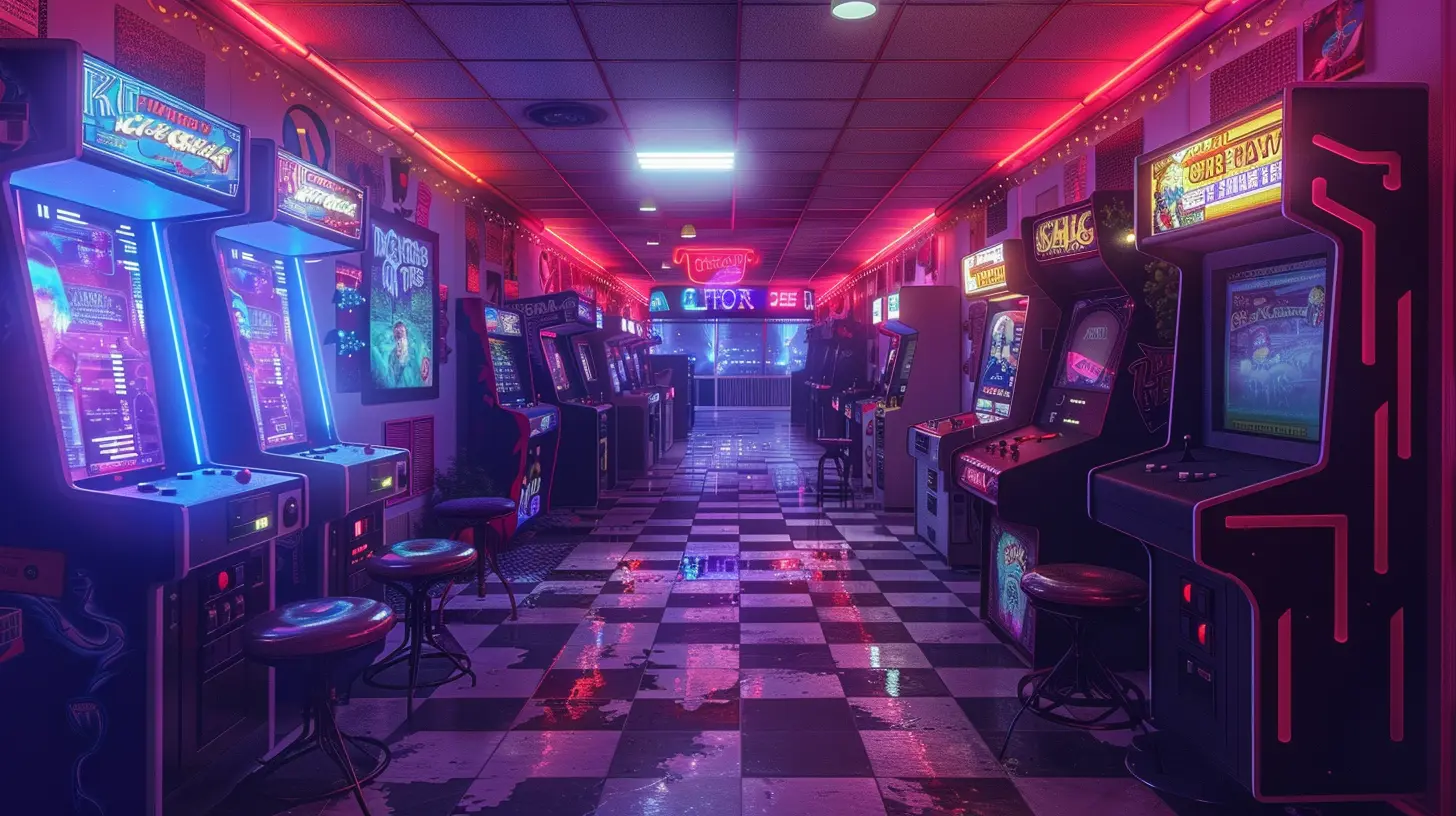
1. Hades - The Roguelike Loop Done Right
If we’re talking about games that turn repetition into fun, Hades might as well be the poster child.You die. A lot. But every time you do, you get stronger, see new dialogue, unlock new weapons, and learn more about the world. It never feels like you're just hitting restart. Instead, death feels like another step forward.
Supergiant Games took the classic roguelike formula and added story progression, character development, and silky-smooth combat that keeps you wanting one more run. The voice acting and art help too—but let’s be real, it’s the loop that hooks you.
2. Stardew Valley - The Farming Grind That Feels Like Therapy
Chop some trees. Water some crops. Pet your animals. Sleep. Repeat.On paper, the gameplay in Stardew Valley sounds like stuff you’d avoid in real life, but it’s strangely enjoyable. There’s something deeply satisfying about crafting your perfect farm one day at a time. The repetition melts into a rhythm that feels meditative.
And let’s not forget the tiny hits of progress—the first time your crops bloom, catching a new fish, finally wooing your NPC crush. It’s slow-burn success, but you feel every step of it.
3. Loop Hero - Literally Built on Repetition
Let’s talk about a game that embraces repetition to its core—Loop Hero.The entire game is one big loop. Your hero walks in circles, battling enemies automatically, while you build the world around them with cards. It shouldn’t work. It seems too passive. But oh boy, does it suck you in.
The game layers decision-making on top of its repetitive base. You’re constantly tweaking, optimizing, and experimenting with different builds. It’s the purest form of “just one more loop.”
4. Minecraft - Repetition as Creative Freedom
Mine. Craft. Repeat.You break blocks, place blocks, repeat like a machine. But in Minecraft, that repetition becomes a canvas for creativity. Whether you’re building a mega castle or just trying to survive your first night, the core loop never gets old.
The game is basically digital LEGO. You repeat the same motions endlessly, but the outcome is always different. That’s the magic.
5. Dark Souls - Dying Over and Over... And Loving It
“Try. Die. Learn. Repeat.”That’s the unofficial motto of Dark Souls. It's infamous for its difficulty, and yeah, you’re going to die. A lot.
But every death teaches you something. Every boss fight you retry 30 times becomes a dance. Slowly, piece by piece, you get better. And the satisfaction when you finally win? Pure euphoria.
The repetition doesn’t feel punishing. It feels like growth.
6. Monster Hunter - The Grind You Can’t Quit
Monster Hunter is built on loops. Hunt a monster. Harvest it. Craft better gear. Hunt a tougher monster. Rinse and repeat.It sounds repetitive—and it is—but man, does it work. Every fight is a skill check. You’re memorizing monster patterns, dodging hits by a hair, and feeling like a total badass when you win.
The carrot on the stick is always there, but so is the joy of mastering your weapon and reading your enemy like a book.
7. Slay The Spire - Deck Building, RNG, and the Joy of "One More Run"
Card games are naturally repetitive. You draw cards, play cards, end your turn. But Slay the Spire keeps it fresh with randomized runs, unlockable characters, and endless strategic choices.No two runs are exactly the same. Even if you’ve beaten it a dozen times, there’s always a new combo or synergy to try. That randomness layered on a consistent loop? Chef’s kiss.
8. Tetris - The OG of Fun Repetition
We can’t talk repetition without tipping our hat to Tetris. It’s the granddaddy of repeatable fun. Blocks fall. You rotate them. You clear lines. Rinse. Repeat. Forever.There’s no story. No RPG elements. Nothing fancy. But it’s hypnotic. And the better you get, the faster it goes, turning simple gameplay into a frantic, edge-of-your-seat challenge.
It proves that you don’t need fluff. Just tight mechanics and a solid loop.
9. Dead Cells - Speed, Combat, and That Perfect Flow
Dead Cells is all about rhythm and flow. Its controls are tight, movement is buttery, and the combat feels just right.Every run mixes up weapons and enemies, but the core feels familiar. And when you’re zipping through levels, parrying attacks, and unleashing combos, it feels like you’re in the zone.
You die a lot, sure. But each death feels like a step towards mastery.
10. Cookie Clicker - Repetition Turned into a Meme (That Works)
We’ve gotta give props to Cookie Clicker. It’s repetitive in the most ridiculous way possible. You’re literally clicking a cookie. That’s it. Well, until you unlock grandmas, factories, time machines…It starts as a joke, but the incremental progression becomes genuinely addictive. It’s the perfect example of how even the simplest of actions can hook you with the right feedback loop.
Why We Keep Coming Back
You’d think we’d get bored of doing the same things over and over again—but clearly, that’s not the case. The truth is, good games make repetition feel like comfort food. Familiar, reliable, and oh-so-satisfying.They tap into our love for building, growing, and improving. Repetition becomes a tool, not a flaw. It gives us space to master things, to be creative, and to enjoy the ride at our own pace.
Final Thoughts
If you’ve ever stayed up until sunrise saying “just one more turn,” you already know how powerful repetition can be in games. The trick is in how it’s used.Whether it's the rogue-like loop of Hades, the introspective grind of Stardew Valley, or the pure zen of Tetris, the best games use repetition to create rhythm, mastery, and dopamine-fueled joy. They turn something that should be boring into something that feels like an obsession.
So next time you find yourself knee-deep in your 50th dungeon run or 200th harvested crop, don’t be mad at the loop—embrace it. After all, it’s the heart of what makes these games unforgettable.
all images in this post were generated using AI tools
Category:
Gaming ReviewsAuthor:

Whitman Adams
Discussion
rate this article
2 comments
Payton Baker
This article highlights how repetition in games can create engaging experiences through mastery and rhythm. By implementing mechanics that reward skill improvement and introducing varied challenges, developers can transform monotonous tasks into enjoyable gameplay, demonstrating that repetition need not detract from fun.
March 8, 2026 at 6:10 PM
Whitman Adams
Thank you for your insightful comment! I'm glad you found the discussion on repetition in games and its potential for engagement valuable.
Misty Carter
Who knew repetition could be so delightful? These games prove that doing the same thing over and over can be a blast! It's like the fun treadmill we never wanted!
March 2, 2026 at 5:36 PM
Whitman Adams
Absolutely! It’s fascinating how repetition can enhance enjoyment, transforming routine into something engaging and fun!