Gaming as a Positive Distraction in Difficult Times
28 June 2026
Let’s face it — life isn’t always sunshine and rainbows. At some point, we all go through tough times. Whether it’s stress from work, school, relationships, or just the chaos of the world around us, finding healthy ways to cope is super important. And for many people (you and me included), gaming has become an unexpected yet powerful escape.
Now, before anyone rolls their eyes, let’s get one thing straight: gaming doesn’t mean hiding from reality. It’s about giving your mind a break when it needs one the most. So, grab your favorite controller or settle into your PC chair — we're diving deep into how gaming can be a positive, even healing, distraction in difficult times.
Why Do We Need Distractions Anyway?
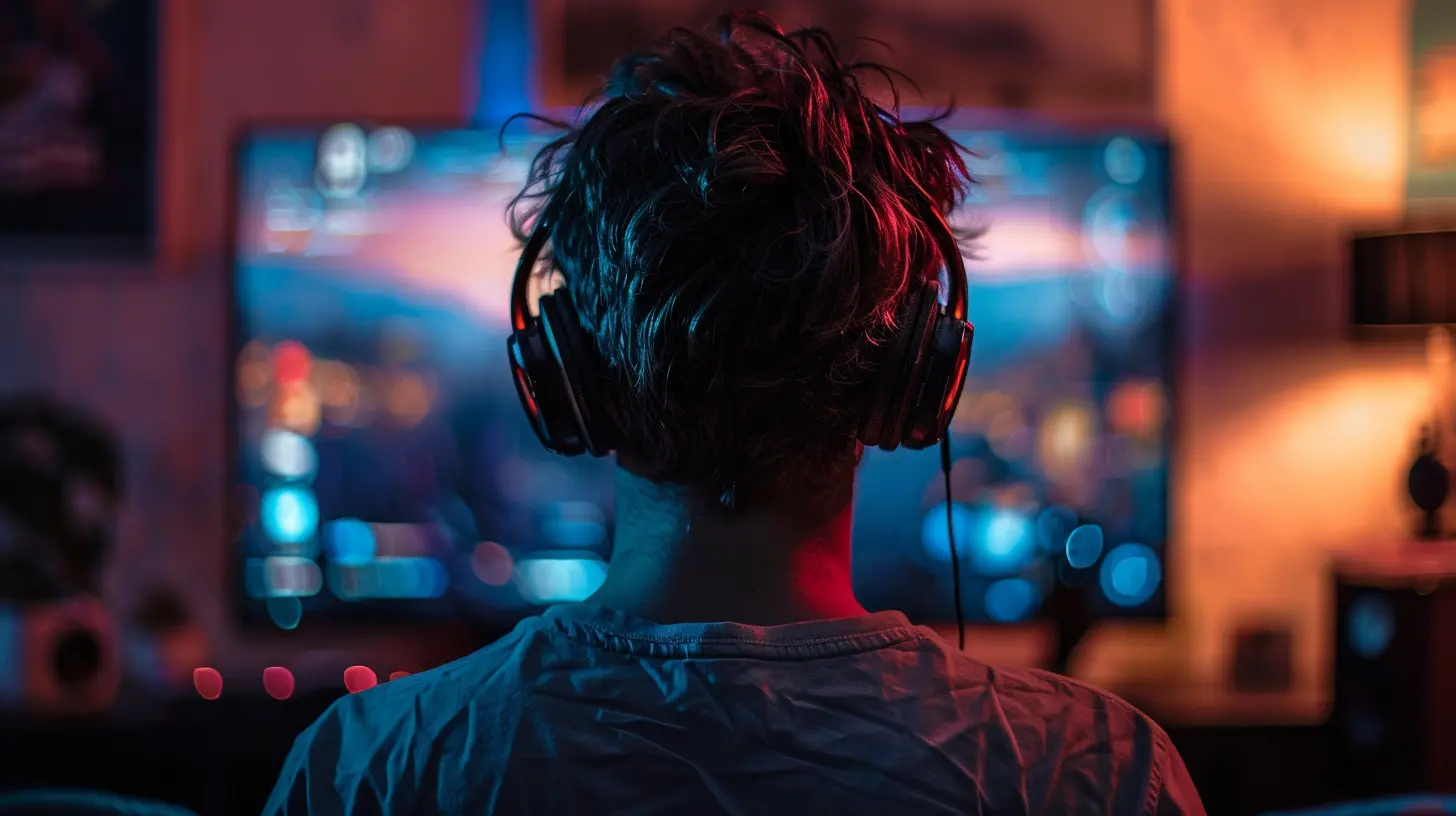
We’re constantly bombarded with news, deadlines, and responsibilities. Our brains are basically running a marathon every day. And just like any marathon runner, we need to pause, breathe, and recover.That’s where distractions come in. Especially the good kind — the ones that help you relax, recharge, and reset your mood. Think of them as mental pit stops.
Gaming, when done in moderation, is one heck of a pit stop.
The Power of Immersion
Ever play a game so good that you forget what day it is? That’s not a bad thing — in fact, it’s kind of magical. Games like The Legend of Zelda, Skyrim, or even Stardew Valley transport us into different worlds where the rules are fair, the stories are compelling, and we get to be the heroes.Immersion gives us a temporary break from our worries. It's like putting real life on pause for a little while. And when we come back? We often feel a bit lighter, calmer, more in control.
Emotional Benefits of Gaming
Here’s something a lot of non-gamers don’t realize: games aren’t just about pressing buttons and scoring points. They’re emotional experiences.Ever felt pure joy after beating a tough boss? Or had your heartstrings tugged by a game’s story (yes, I’m looking at you, The Last of Us)? That emotional rollercoaster can be incredibly therapeutic.
1. Stress Relief
Let's be real. Smashing zombies or solving a puzzle can oddly be the best way to unwind after a stressful day. Many games help lower cortisol levels (the stress hormone) by shifting your focus and giving your mind something fun to chew on.2. Sense of Achievement
We all crave a feeling of success. But life doesn’t always hand out gold stars. Games? Oh, they’re full of them. Whether it’s leveling up, unlocking achievements, or completing quests — gaming gives you that satisfying “I did it!” feeling.And during hard times, that feeling can make a world of difference.
3. Control in Chaos
When everything else feels like it’s spinning out of control, games provide a space where we call the shots. We choose the missions, the weapons, the path. That sense of control? Super empowering.
Social Connection Through Gaming
Ever bonded with a stranger over a shared win in Fortnite? Or laughed until your sides hurt while playing Among Us with friends? That’s the magic of multiplayer.During isolating periods (like, say, a global pandemic), online gaming became a lifeline. People stayed connected, made new friends, and even built communities — all from behind a screen.
Gaming isn’t antisocial. It’s a new way of being social.
Online Friendships Are Real Friendships
Don’t let anyone tell you otherwise. People have met lifelong friends, romantic partners, and even business collaborators through gaming communities. These connections can be surprisingly deep, especially when you’re dealing with tough stuff in your personal life.Games That Are Especially Comforting
Not all games are created equal. Some are built for competition, while others exist purely to soothe the soul. Here are a few that gamers consistently turn to for comfort:- Animal Crossing: New Horizons – A peaceful island life sim that’s as cozy as hot cocoa on a rainy day.
- Stardew Valley – Farming, friends, and pixel-perfect relaxation.
- Journey – A beautiful, wordless story about connection and exploration.
- Minecraft (Creative Mode) – Letting your imagination run wild is a great way to forget your troubles.
- Celeste – A masterpiece about overcoming inner struggles, both metaphorically and literally.
Each of these games offers something different, but they all have one thing in common: they’re safe spaces where you can relax, unplug, and just… be.
Gaming as a Mindful Experience
Mindfulness is all about being present. And guess what? Gaming can absolutely be a mindful activity. When you’re fully engaged in a game, you’re living in the moment.You're not overthinking the past or stressing about the future — you're right there, dodging bullets in a first-person shooter or planting tulips in a virtual garden.
That kind of presence can be incredibly grounding, especially when your mind feels like it's running in circles.
But What About Game Addiction?
Good question — and yeah, it’s a real issue. Like anything enjoyable, gaming can be taken too far. Bingeing for days on end and ignoring your responsibilities or health? That’s not a positive distraction — that’s avoidance.The key is balance. Use gaming to lift your mood, not to escape your life entirely. Play with purpose, not just out of habit.
Set timers, take breaks, and make room for other healthy habits like exercise, sleep, and social interaction (outside the screen too).
Gaming and Mental Health Professionals
Interestingly, therapists are starting to see the benefits of gaming, too. Some even incorporate game-based therapy into their sessions. There are also games specifically designed for mental wellness, like:- That Dragon, Cancer – A heartbreaking yet beautiful exploration of grief and loss.
- Sea of Solitude – Deals with themes of loneliness and emotional struggle.
- Kind Words (lo fi chill beats to write to) – A game where people send and receive positive messages anonymously.
These aren’t your average shooters or RPGs. They’re emotional journeys meant to heal, comfort, and start conversations.
The Role of Gaming During the Pandemic
Let’s rewind to 2020 for a sec (yeah, I know — rough memory). When the world felt like it was falling apart, what kept many of us sane? Yep, our game consoles and PCs.From Zoom birthday parties to Netflix marathons, entertainment became survival — and gaming was right there leading the charge.
Platforms like Twitch exploded, not just for gameplay, but for human connection. Streamers created safe spaces where people could talk, laugh, and support each other — something we all desperately needed.
Kids, Teens, and Gaming as a Coping Mechanism
Parents, listen up. If your kid is gaming more than usual, it might not be cause for alarm. For many young people, games aren’t just entertainment — they’re a way to deal with emotions they don’t yet know how to express.Of course, communication and boundaries are important. But try asking them why they love a certain game rather than just telling them to log off. You might get insights into what they’re going through.
Gaming can be a bridge, not a barrier.
Final Thoughts: Let the Game Play On
Gaming isn’t a magic cure for life’s problems — but it can absolutely be part of your healing toolkit. During rough patches, we all need something to hold onto. For some, it’s books. Others, music. And for millions of people around the world, it’s gaming.It’s okay to clock out of real life for a while. It’s okay to find joy in a virtual world when the real one feels too heavy. And it’s more than okay to game your way through the storm — as long as you remember to come back when the clouds clear.
So next time someone tells you gaming is a waste of time, just smile and say, “Actually, it’s helping me get through some stuff.”
Because it is.
all images in this post were generated using AI tools
Category:
Gaming And Mental HealthAuthor:

Whitman Adams
Discussion
rate this article
1 comments
Amanda Ford
Gaming offers solace and connection during tough times.
July 1, 2026 at 4:46 AM
Whitman Adams
I completely agree. Gaming can create meaningful connections and provide a much-needed escape when life gets tough.