How Art and Sound Design Affect Mood in Games
18 April 2026
Ever wondered why some games make your heart race while others feel like a peaceful walk through a forest? It’s not just the gameplay or the storyline. Behind the scenes, the real magic lies in the art style and sound design. These two elements work together like a duet, shaping how we feel and react during every moment of gameplay.
Let’s dive into how these components influence our emotions, draw us deeper into virtual worlds, and keep us hooked for hours.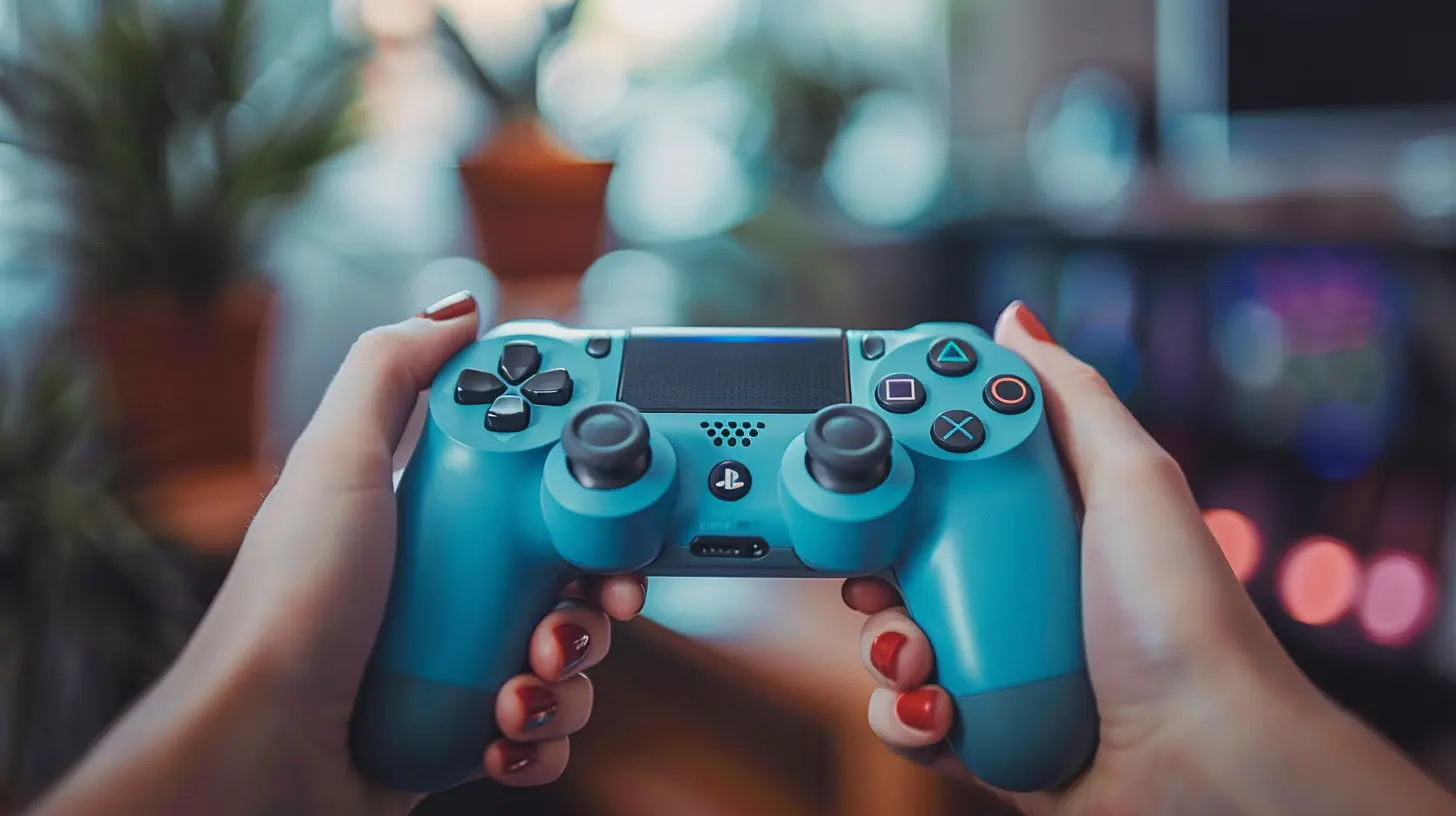
Why Mood Matters in Games
Before we go any further, you might ask—why should developers even care about mood? Simple: mood drives immersion. If a game makes you feel something—tension, comfort, fear, awe—you’re more likely to stick around, remember it, and even recommend it to others.Whether it's a horror game that tightens your chest with dread or a relaxing sim that melts your stress away, mood is the secret sauce that turns a good game into a memorable one.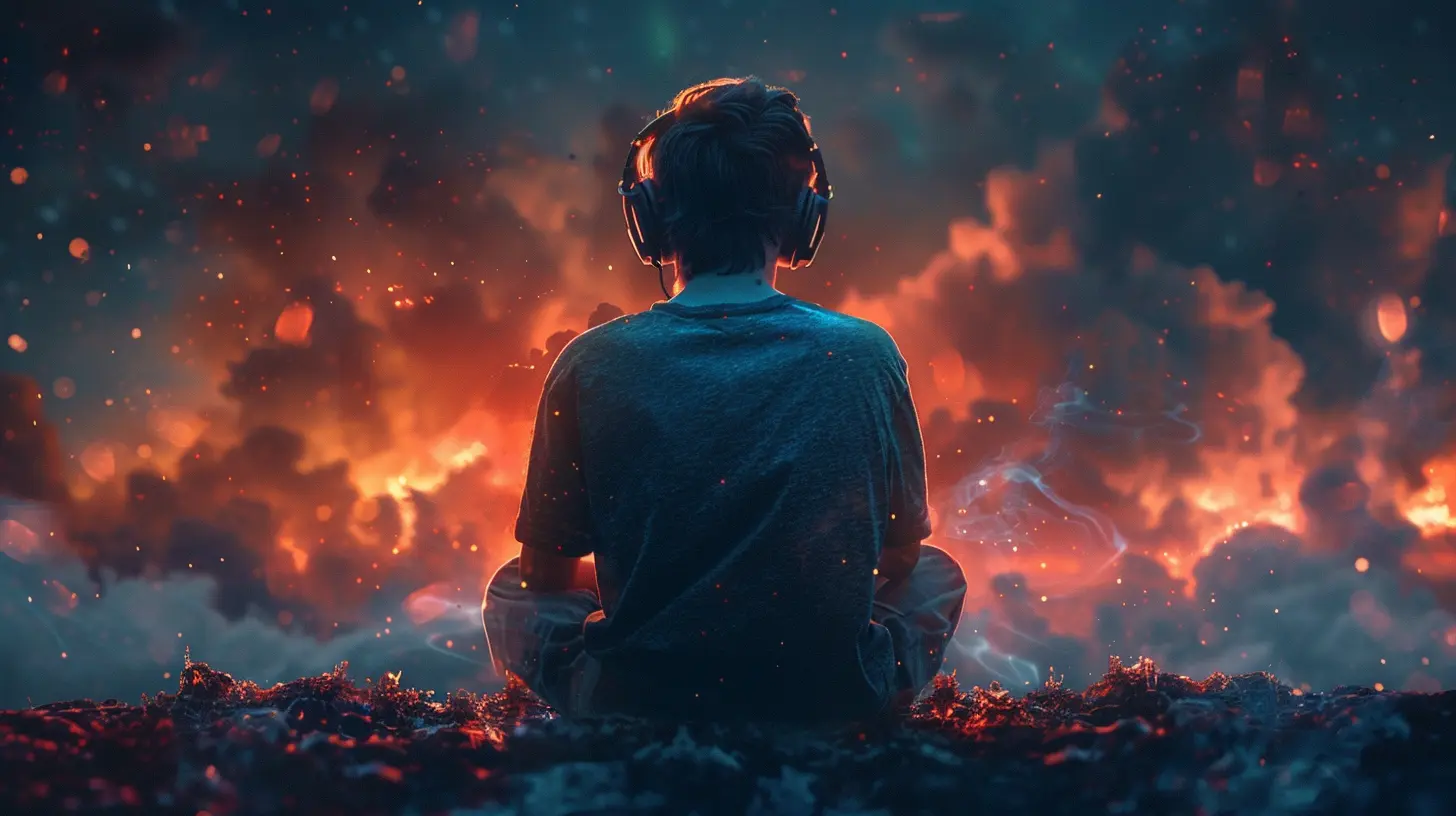
The Power of Visual Art in Setting the Tone
Colors Speak Louder Than Words
Colors influence our perception more than we often realize. Think about it:- Dark, desaturated colors (like gray and black) often signal danger or sadness.
- Bright, saturated hues (like neon pinks and blues) give off energetic vibes.
- Earth tones (greens, browns, beiges) usually create calm and peaceful environments.
Game developers use color palettes intentionally. Want the player to feel uneasy? Throw in some eerie greens and dim lighting. Need them to feel heroic? Add warm lighting and vibrant backdrops.
Art Style Shapes Your Emotional Landscape
Art isn't just about aesthetics—it's emotional storytelling. A photorealistic warzone in a shooter game triggers a very different response compared to a hand-drawn village in a farming sim.Here are some examples:
- Cel-shaded art like in The Legend of Zelda: Wind Waker feels whimsical and lighthearted.
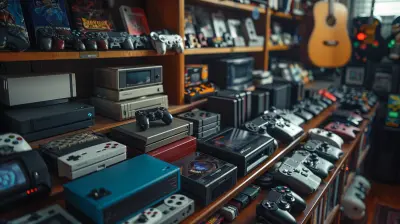
- Pixel art taps into nostalgia, bringing cozy, retro vibes.
- Hyper-realism, like in The Last of Us, creates immersion and emotional gravity.
Different styles appeal to different moods, and when chosen wisely, they make the game’s tone more consistent and effective.
Environmental Design Adds Flavor
Level design and environment art also contribute heavily. A claustrophobic hallway with flickering lights leads your mind to expect a jump scare. Meanwhile, a wide-open field with sunbeams shining through trees makes you want to relax and explore.Little details like fog, ambient lighting, background animations, and texture quality all play subtle, yet powerful roles in shaping the player's emotional journey.
Sound: The Invisible Storyteller
You might not always notice the music or audio effects, but your brain certainly does.Background Music Sets the Mood Instantly
Music is the emotional pulse of a game. The moment it starts playing, your brain gets a hint of what to feel.- Fast-paced, heavy drums? You’re in for a chase scene.
- Soft piano with ambient pads? Time to unwind or maybe get emotional.
- Ominous drones or strings? Trouble is definitely brewing.
Imagine exploring an abandoned facility in silence—creepy, right? Now add a slow, high-pitched violin in the background, and suddenly you’re convinced something’s watching you.
That’s the power of music in mood-building.
Sound Effects Pull You Deeper
From the crunch of gravel underfoot to the creak of an old door, every sound helps make the world feel real. These effects fill in the blanks your eyes can’t see.Let’s say you’re sneaking through a dark corridor. You hear faint footsteps echoing ahead. You don’t see anyone—but your heart’s racing. That’s how sound drives tension, even without visuals.
Environmental sound cues like blowing wind, dripping water, and distant echoes create context, triggering your brain to "feel" the space.
Voice Acting: The Human Touch
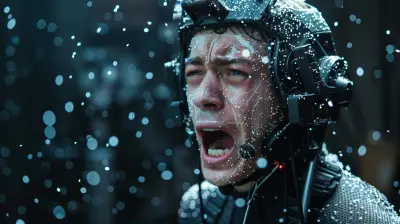
Voice performance can make or break the emotional tone of a game. Monotone delivery in a dramatic scene can pull you right out of the moment. Meanwhile, an emotionally charged performance can make players cry or cheer.Games like Red Dead Redemption 2 and God of War are great examples where strong voice acting deepens the player’s connection with the story and characters.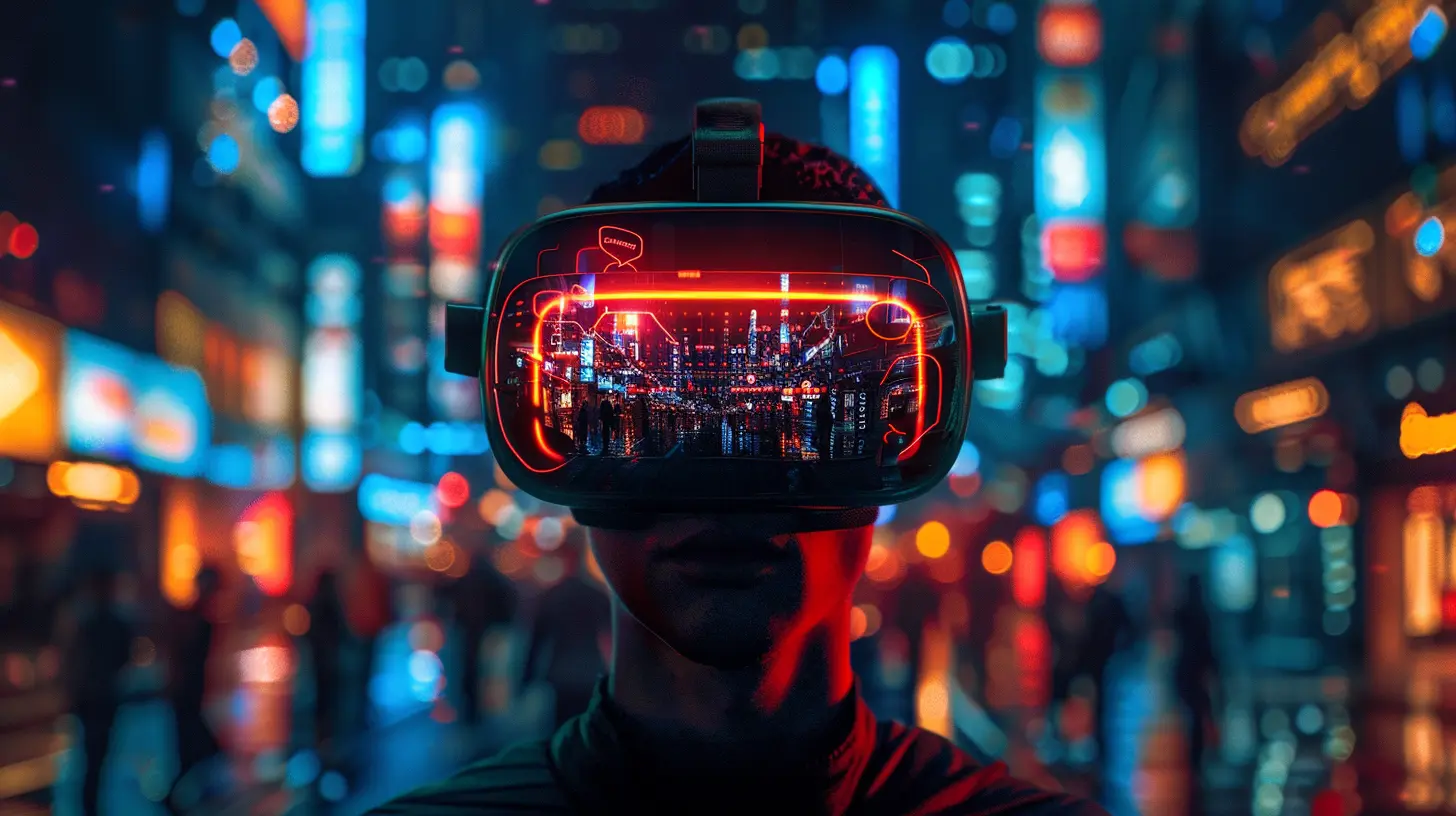
The Combined Impact: When Art Meets Sound
When great visuals meet great sound, the result is more powerful than the sum of its parts.Think about:
- Horror Games: Silent Hill and Resident Evil use grotesque visuals, grainy textures, and eerie soundtracks to keep players on edge.
- Adventure Games: Journey uses minimalistic art and a haunting score to evoke loneliness, wonder, and peace.
- Narrative Games: Life is Strange pairs pastel-toned visuals with indie music tracks to create a quiet, emotional atmosphere.
These games understand that players don’t just want to "play"—they want to feel. That emotional engagement keeps them coming back or sticks with them long after they quit the game.
Mood as a Gameplay Mechanic
Sometimes, mood does more than create ambiance—it becomes part of the gameplay.In Hellblade: Senua’s Sacrifice, the sound design is so immersive that the voices in the protagonist’s head are heard through positional audio. This creates a sense of being surrounded by conflicting thoughts, mirroring the character’s mental state. You feel what the character feels—and that’s immersive storytelling through sound.
Or take Dark Souls. The oppressive environments paired with minimal background music create a lonely, tense mood. When music does kick in—usually during boss fights—it amplifies the stakes and adrenaline.
The emotional mood created by art and sound can even influence how we play. Are you cautious because something feels "off"? Are you exploring more because the environment feels warm and welcoming?
Mood in Multiplayer and Open-World Games
You might think multiplayer games don’t focus much on mood—but they do, just differently.Take Fortnite. Its cartoonish visuals and upbeat sounds make it feel more like a fun playground than a brutal battle. Compare that to Call of Duty, which uses gritty visuals and intense sound cues to make you feel like you’re in a real warzone.
Even in open-world games like The Witcher 3, changing weather, lighting, and music shift the mood naturally. A thunderstorm rolling in can abruptly change your emotional state, even without a single line of dialogue.
Why It All Matters
Games are about engagement. The more senses you stimulate, the deeper the emotional impact. That’s why developers pour so much effort into creating the right blend of visuals and sound. They’re not just making something cool to look at or listen to—they’re crafting an experience.Good art and sound design can elevate a weak story. But poor design can ruin an otherwise great game.
Key Takeaways
- Art and sound design are powerful tools for setting and shifting mood in games.- Colors, lighting, textures, and art style all influence how we emotionally respond to a game.
- Music and sound effects shape atmosphere, provide context, and provoke emotional responses.
- The best games use both elements together to create a cohesive emotional journey.
So, next time you boot up a game and feel a chill down your spine or an unexpected wave of calm, remember: it’s not an accident. The artists and audio designers planned it that way—and that’s the beauty of immersive game design.
Final Thoughts
Mood in games isn’t just a side effect of design—it IS the design. Players might not consciously analyze the art or dissect the sound, but they’ll absolutely feel the impact. Whether it’s the way a forest glows under the moonlight or the subtle whisper echoing down a hallway, mood is what transforms a game from something you play into something you remember.So, hats off to the unsung heroes—digital artists and audio wizards. Without them, even the most exciting gameplay would feel flat.
all images in this post were generated using AI tools
Category:
Gaming And Mental HealthAuthor:
Whitman Adams
Discussion
rate this article
2 comments
Zeal Reed
Art and sound in games create immersive worlds, allowing players to feel and experience emotions deeply.
May 13, 2026 at 3:18 PM
Whitman Adams
I completely agree. Art and sound work together to pull players into the experience, making emotions more impactful and memorable.
Ardyn Velez
Art and sound design are crucial in games, profoundly influencing player emotions and immersion. Their interplay shapes narratives and enhances overall gameplay experiences effectively.
April 19, 2026 at 4:34 PM
Whitman Adams
I completely agree. Art and sound design create a unique atmosphere that draws players in and deepens their connection to the story. It's fascinating to see how these elements work together to elevate the experience.