How Cloud Gaming Could Expand Global Access to Games
11 August 2026
Imagine firing up your favorite high-end game on a dusty old laptop or a basic smartphone from the other side of the world—no console, no crazy graphics card, just pure gaming joy. Sounds like a futuristic fantasy, right? Well, buckle up, because cloud gaming is making that dream a very real possibility. And not just for the tech elite, but for anyone with a decent internet connection.
Let’s dive into how cloud gaming could break down geographical, economical, and technical barriers, flinging wide open the doors of global game access. Warning: may contain wild optimism and geeky metaphors.
? What Exactly Is Cloud Gaming Anyway?
Okay, before we start planning the global gaming takeover, let’s clear up what cloud gaming actually is.Cloud gaming, or game streaming, is like Netflix for games. Instead of installing a game on your device, the game lives on a powerful remote server in a faraway data center. When you hit play, that server streams the game's visuals to your device, while your commands zip back up to the cloud at lightning speed. It’s a two-way street made possible thanks to high-speed internet.
So yeah—your computer, phone, or tablet becomes more of a screen with a controller than a gaming powerhouse. The heavy lifting? That's done in the cloud.
? The Access Problem: Games Aren’t Equal for Everyone
Let’s break it down. Gamers around the world face some pretty big hurdles:- Expensive Hardware: Not everyone can drop a small fortune on a gaming rig or next-gen console.
- Geographical Limits: Some regions just don’t get timely access to game releases, content, or even online servers.
- Limited Storage: Ever tried downloading a 100GB game on a 64GB phone? Yeah, it’s not fun.
- Piracy Problems: In some places, pirated games are more accessible than legal ones due to cost and availability.
Cloud gaming, my friends, might just be the great equalizer. ?
? No Hardware? No Problem!
One of the biggest flexes of cloud gaming is that it nukes the need for high-end hardware.You could be gaming on:
- A Chromebook
- Your grandma’s hand-me-down Android
- A crusty old laptop from 2011
- Heck, even a Smart TV
All because the rendering, processing, and graphics get handled by servers that have the computational muscle of a small planet. All you need is a screen and a decent internet connection.
This means kids in rural India, gamers in remote parts of Africa, or students in Latin America could soon play the latest AAA titles—without selling a kidney for a gaming PC.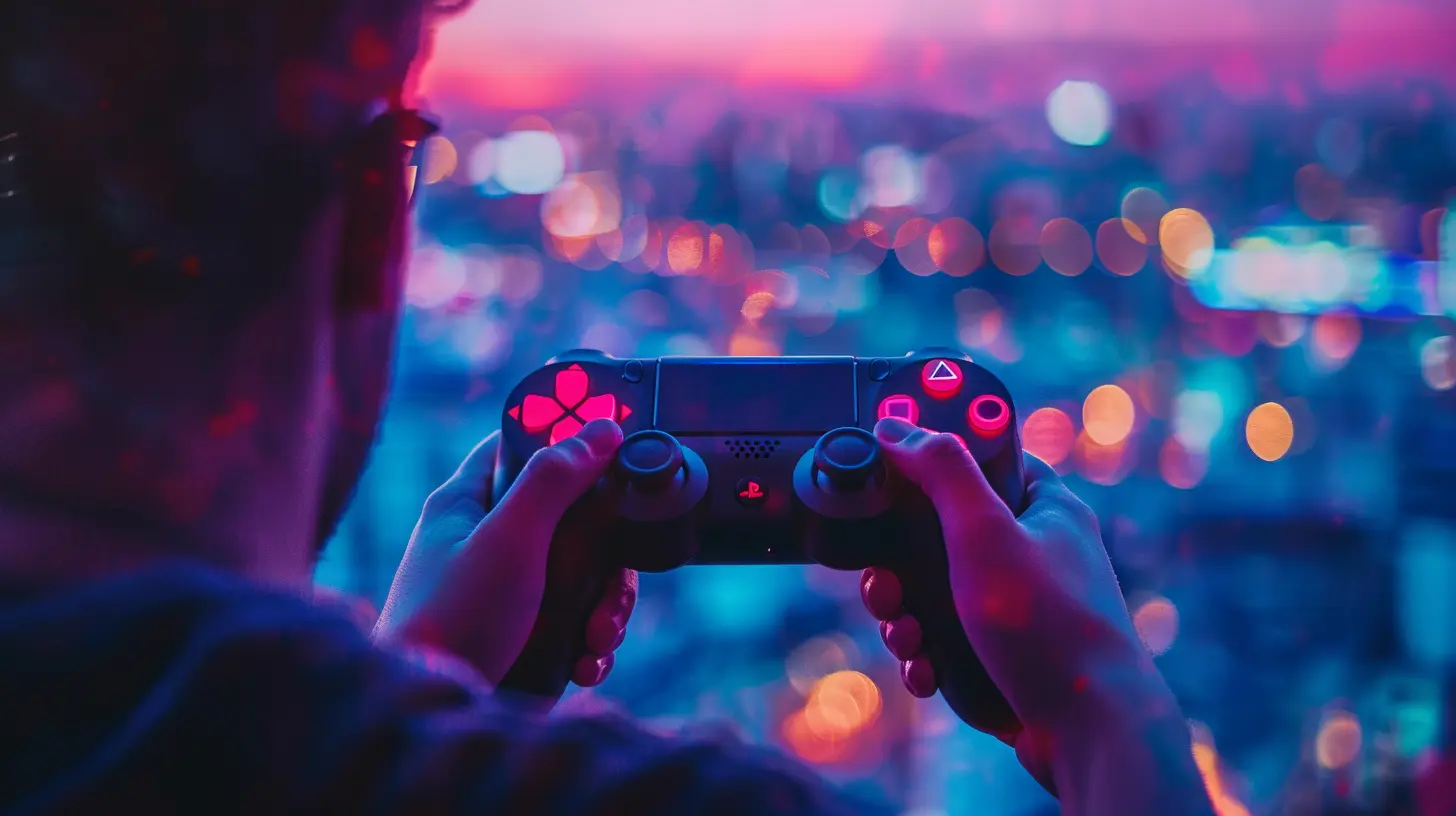
? Gaming Without Borders
Ever tried joining a multiplayer game only to be hit with the dreaded "not available in your region" message? Yeah, not cool.With cloud gaming, data centers can be positioned all over the globe. Companies like NVIDIA (GeForce Now), Microsoft (Xbox Cloud Gaming), and Google (RIP Stadia) have already started to roll out infrastructure in multiple countries.
This translates into:
- Lower latency (less laggy frustration)
- Wider access to releases
- More diverse gaming communities
Suddenly, a gamer in Kenya can squad up with players in Korea, Brazil, and Belgium without breaking a sweat—or their bank.
? Slashing Costs, One Subscription at a Time
Let’s talk money. Gaming can be expensive. Like, really expensive.Between the cost of consoles, GPUs, games, DLCs, and necessary upgrades, it’s not exactly the most wallet-friendly hobby. Cloud gaming flips that script.
Instead of buying a $500 console or a $2000 gaming PC, players can opt for:
- Low monthly subscriptions
- Free tiers from services like GeForce Now
- Pay-as-you-go models
It's like switching from buying Blu-rays to streaming movies on Netflix—less commitment, more options, and way friendlier for the budget-conscious.
? What About Internet Access?
Ah yes, the elephant in the server room. For cloud gaming to work smoothly, you need a stable internet connection—ideally something like 15 Mbps and up.Now, here’s where things get tricky... but also, promising.
? Internet Is Getting Better
Thanks to:- 5G rollouts
- Starlink and other satellite internet projects
- Government investments in rural broadband
Internet speeds are improving in places that were previously left in the digital dust. For example, parts of sub-Saharan Africa and Southeast Asia are seeing massive gains in connectivity. As internet access spreads and speeds increase, so does the potential market for cloud gaming.
Soon, the "you need fast internet" problem might matter much less than it does today.
? Smarter Content Delivery = Smoother Gaming
Ever wondered how YouTube can stream a cat video instantly, while your game takes forever to download? It’s all about smart content delivery.Cloud gaming platforms use content delivery networks (CDNs) to route data through nearby servers, reducing lag and load time. It’s like teleporting information closer to you.
This kind of tech is what makes real-time, low-latency streaming possible—and it’s constantly improving. The better it gets, the more seamless and accessible gaming becomes worldwide.
? Travel Light, Game Heavy
Got wanderlust? Travel junkie? Digital nomad? Cloud gaming is a godsend. No need to lug around a bulky console or worry about carrying a gaming laptop.You can flip open a tablet in a Bali cafe or a hostel in Prague and pick up where you left off on "Elden Ring." Cloud saves, synced progress, and cross-platform play make it all work like magic.
Game on the go? Absolutely.
? Education and Cloud Gaming: A Wild Duo
Here’s a curveball you probably didn’t expect—cloud gaming could also help with education. Yep, really.Think about:
- Game development courses: Students can access powerful engines like Unreal or Unity through cloud platforms without needing top-tier hardware.
- Game-based learning: Interactive educational games become accessible to schools with basic devices.
- Digital literacy: Engaging students through gamified content fosters tech skills—and cloud gaming can deliver those games regardless of the school’s gear.
So it’s not just about having fun (though that’s important too)—cloud gaming can open minds, not just raid dungeons.
? Accessibility for Gamers with Disabilities
Let’s not forget how game streaming could make gaming more inclusive.Cloud platforms can integrate:
- Adaptive controllers
- Voice commands
- Custom configuration tools
And since the platform isn't tied to a single device, users can play using whatever input methods suit their needs—from smartphones to specialized peripherals.
It’s a step toward making gaming something truly anyone can enjoy, regardless of ability.
⚠️ A Few Cloudy Concerns
Okay, real talk. Cloud gaming isn't perfect. There are still some clouds in the sky (pun totally intended):- Latency issues in areas with poor connectivity
- Data caps in some countries
- Limited offline play
- Game ownership complexities (you’re often renting access, not owning the game)
But these are largely growing pains. Remember when streaming music was frustrating? Now it’s the norm. Cloud gaming is walking the same path—just with a few extra boss battles to conquer.
? The Future Looks... Cloudy (In a Good Way)
Cloud gaming is still evolving, but it’s already rewriting the rules. It’s carving out a future where:- Everyone can access the same games
- Financial barriers come down
- Geographic limits vanish
- Gaming becomes a shared, global experience
We’re not quite there yet, but every new server farm, every lower-priced subscription, every faster network inch us closer to the dream: a world where anyone can game, anywhere, anytime.
So whether you’re a gamer from a bustling city or a quiet mountain village, cloud gaming could soon put you right in the action—no graphics card required.
Grab your controller (or phone), and let’s blast into this brave new world of borderless, affordable, and accessible gaming.
all images in this post were generated using AI tools
Category:
Cloud GamingAuthor:

Whitman Adams