How Game Remakes Are Winning Over a New Generation of Gamers
6 June 2026
If you're a gamer, odds are you've either played or at least heard about a remake of a classic title. From the emotional punch of Final Fantasy VII Remake to the pixel-perfect detail in Resident Evil 4 Remake, there's no denying it—remakes are booming. But what’s even more interesting? They’re not just drawing in the old fans. A whole new generation of gamers is falling in love with titles that first dropped when flip phones were still a thing.
So, what’s the deal? Why are game remakes suddenly so hot? More importantly, what makes them click with younger players who never touched the original?
Let’s break it down.
Gaming’s Nostalgia Machine: More Than Just a Trip Down Memory Lane
Nostalgia is a powerful thing. But remakes are no longer made just for those of us who grew up blowing into cartridges and waiting for loading bars to fill painfully slow.Sure, remakes hit hard for older gamers. They’re like comfort food for the soul—familiar, warm, and oh-so-satisfying. But developers nowadays are doing more than slapping on a fresh coat of paint. They're rebuilding these games from the ground up, with modern graphics, better controls, and deeper storytelling.
That’s where new gamers come in.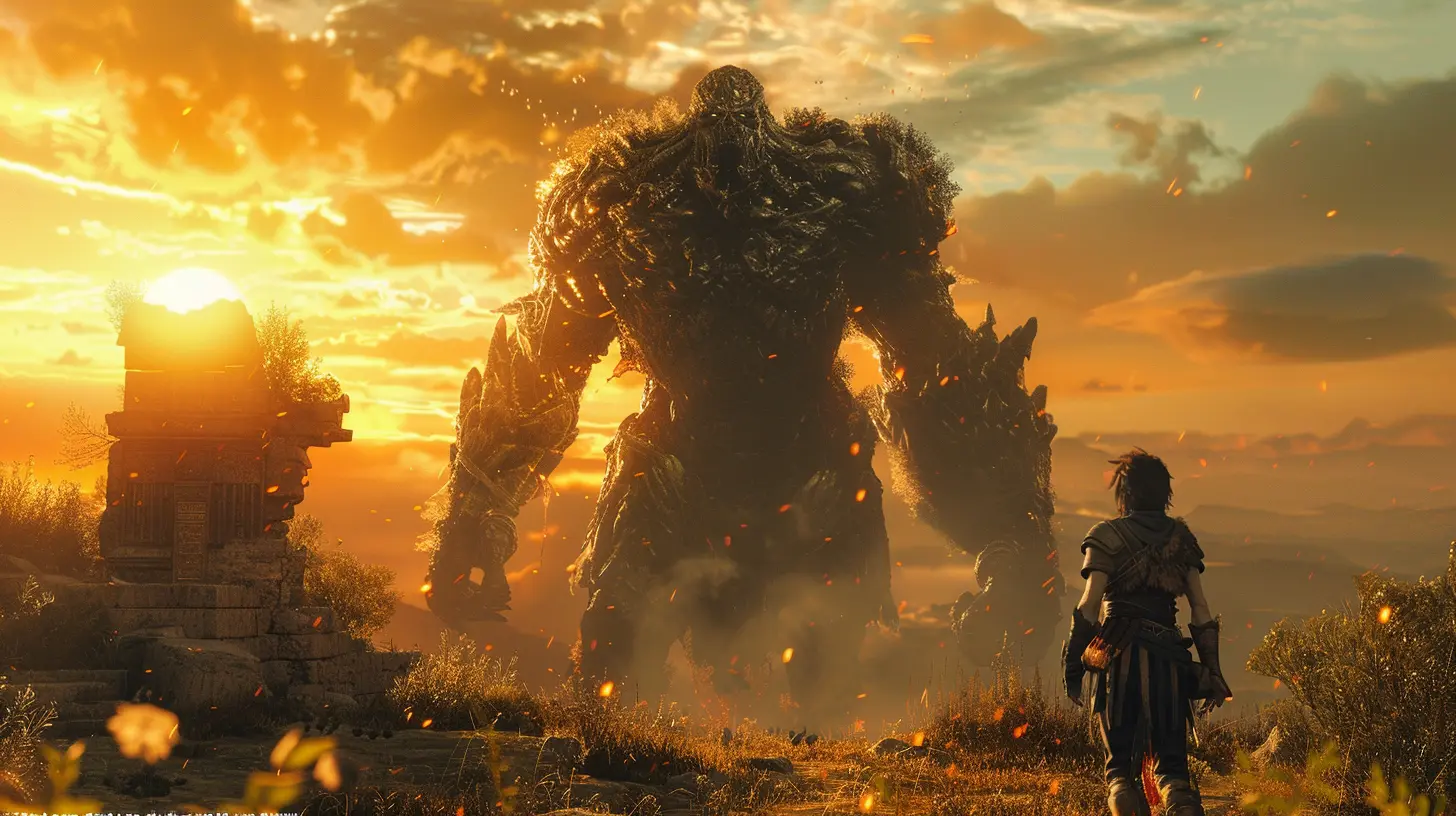
New Gamers, Old Worlds: What’s the Attraction?
You might ask—why would Gen Z gamers, raised on open-world giants like Fortnite and Genshin Impact, even care about ancient polygons from the PS1 era?Simple. Because when done right, a remake doesn’t feel old.
Today’s remakes don’t just “look better”—they play better too. They’re designed with modern expectations in mind. So younger players, who never experienced the clunky controls or blurry textures of the originals, get a polished, high-quality experience that stands on its own two feet.
Plus, thanks to YouTube, Twitch, and TikTok, gaming history is more accessible than ever. Even if someone never played the original Silent Hill, chances are they’ve seen gameplay clips or lore breakdowns online. The curiosity is there. All it takes is a well-made remake to reel them in.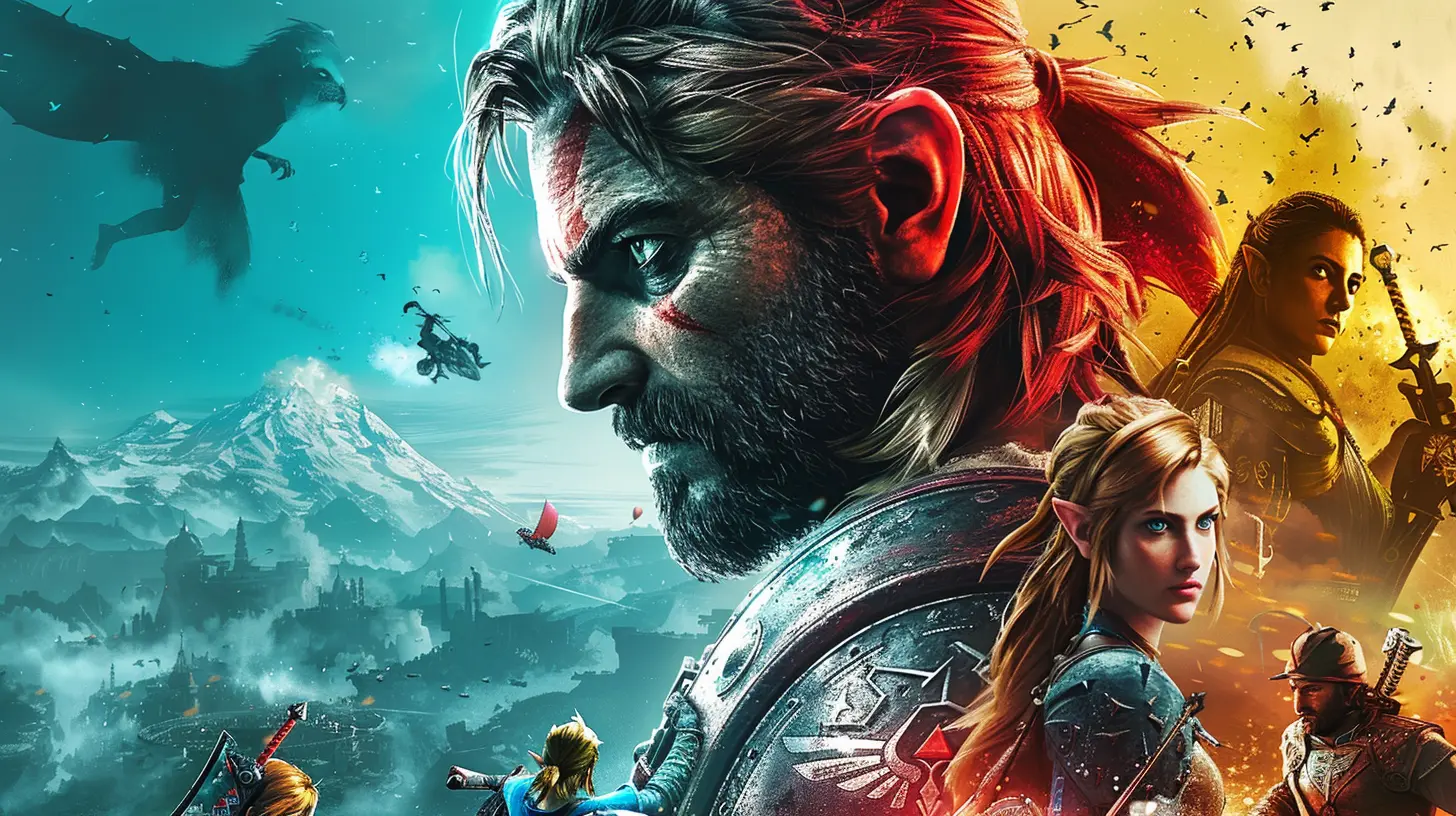
The Power of Storytelling: When Old Tales Feel Brand New
Games today aren’t just about gameplay mechanics—they’re emotional journeys. And many of the classics had killer stories that simply couldn’t shine through due to hardware limitations back then.Take Final Fantasy VII Remake. The original was groundbreaking, no doubt. But let’s be honest—it had blocky graphics, stiff animations, and text boxes that did the heavy lifting. Fast forward to the remake, and now you’ve got fully voiced characters, cinematic cutscenes, expanded lore, and emotional depth that hits like a truck.
Modern remakes breathe life into these stories in ways the original devs could only dream of. To new gamers, these stories feel just as fresh and captivating as any current AAA release—but with the added bonus of a legacy behind them.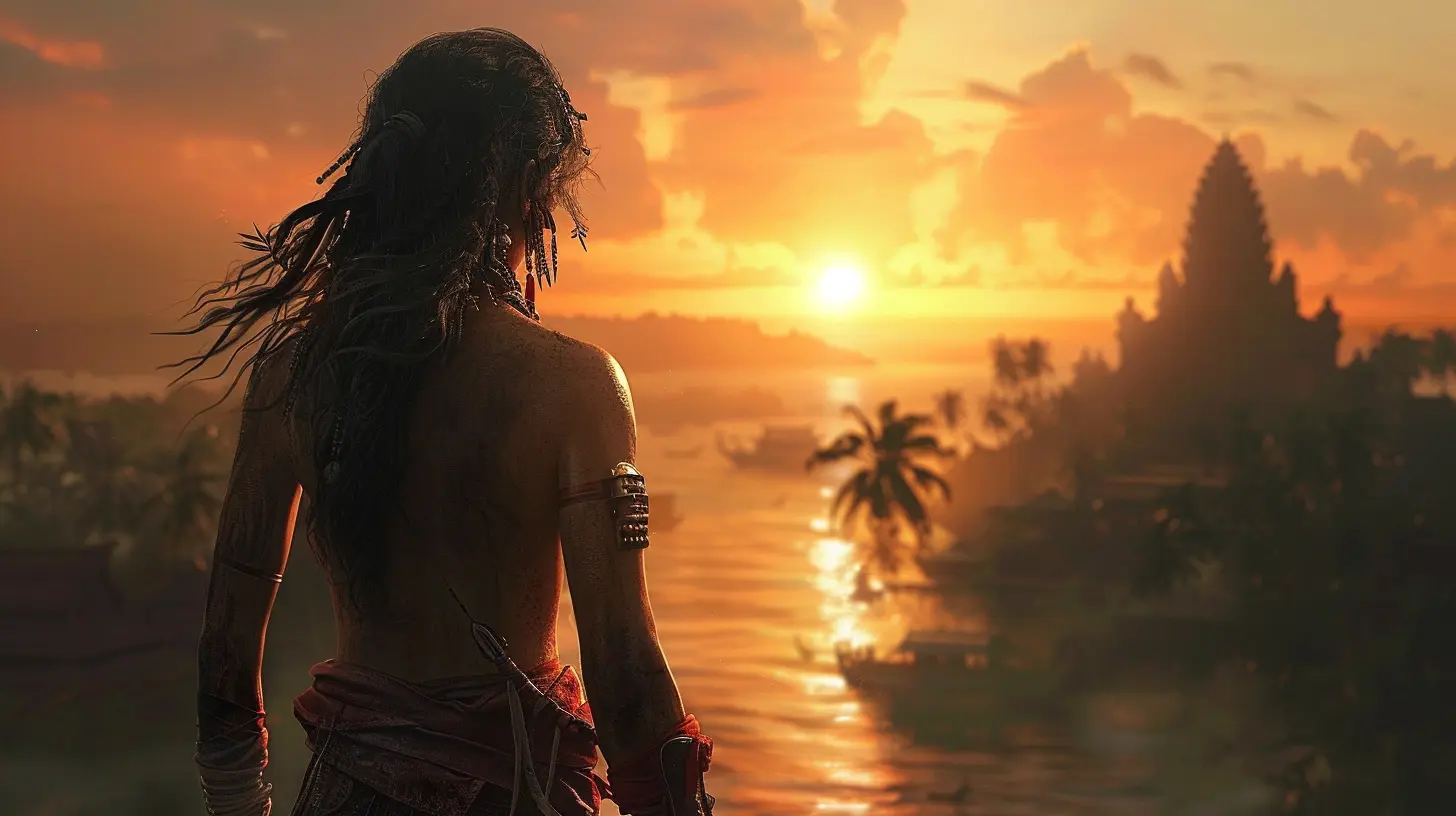
Gameplay That Feels Right
Modern gamers have high standards for gameplay fluidity—and rightfully so. We’re used to slick controls, smart AI, and seamless mechanics.Older games, while innovative for their time, often feel frustrating by today’s standards. Tank controls, minimal checkpoints, and repetitive level design can be a deal-breaker for someone used to buttery-smooth gameplay.
Remakes fix that. Developers rework mechanics to meet current-gen expectations without stripping away what made the original special. It’s a balancing act—one that, when done right, creates something both nostalgic and entirely new.
Take Resident Evil 2 Remake—a perfect example. The original had fixed-camera angles and tanky controls that, let’s be honest, were a pain to get used to. The remake ditched those, offering an over-the-shoulder camera and silky-smooth movement. Suddenly, RE2 became a must-play for new horror fans—not just a museum piece.
The Visual Glow-Up: Eye Candy Matters
Let’s not pretend graphics don’t matter. We’re all a little shallow when it comes to how our games look. New gamers especially are used to stunning visuals, ray tracing, and ultra-high resolutions.Old-school titles might have legendary gameplay, but their pixelated origins can be a tough sell for someone born after the millennium.
Remakes solve that problem. They pack the same narrative and gameplay punch but with jaw-dropping graphics that look right at home on a PS5 or high-end gaming PC. It’s the best of both worlds—retro heart with modern flair.
A Gateway to Gaming History
Maybe the coolest thing about remakes? They serve as a bridge between generations.Gamers who never touched a PlayStation 2 back in the day can now experience what made games like Shadow of the Colossus or Demon’s Souls so iconic. And they don’t have to squint through polygons or wrestle with outdated controls to do it.
It’s like giving new readers a modern edition of a classic novel—same powerful story, but with formatting and language that doesn’t feel like it was written centuries ago.
Remakes make gaming history accessible—and that’s something truly special.
Why Developers Love Remakes Too
Let’s be real—remakes aren’t just about the fans. For game studios, they’re a smart business move.Think about it: The story is already written, the world already built, the characters already beloved. With a solid foundation in place, studios can focus on polishing the gameplay and graphics while knowing they’ve already got a built-in fanbase and name recognition.
And when you release a great remake that sells millions of copies and introduces a new generation to your IP? That's not just a win—it's a goldmine. Plus, let’s not forget the merch, the spin-offs, and even potential sequels.
Remakes can reignite entire franchises. Just look at how Crash Bandicoot N. Sane Trilogy paved the way for Crash Bandicoot 4: It’s About Time. Or how Tony Hawk’s Pro Skater 1+2 proved there's still a market hungry for arcade-style skating fun.
Not All Remakes Are Created Equal
Of course, it’s not all sunshine and rainbows. Some remakes miss the mark—and fans don’t hold back when they do.Whether it’s cutting important features, watering down mechanics, or changing the tone of the original too much, there’s a fine line between refreshing a classic and butchering it.
A bad remake can actually do more harm than good. It can tarnish a beloved title and alienate both old and new fans in the process.
That’s why it’s crucial for developers to approach remakes with respect, care, and a deep understanding of what made the original special in the first place.
The Future of Game Remakes
So where do we go from here?Given the overwhelming success of recent remakes, it’s safe to say this trend isn’t slowing anytime soon. In fact, with rumors swirling around remakes of classics like Metal Gear Solid, Silent Hill 2, and even The Legend of Zelda: Ocarina of Time, the future looks brighter than ever for fans of the genre.
And as technology continues to evolve—with Unreal Engine 5, ray tracing, and hyper-realistic motion capture—it’s exciting to imagine just how immersive these remakes can get.
In a way, we’re watching gaming history unfold twice—once in the past, and again in the present.
Wrapping It Up
Game remakes have come a long way from being simple graphics upgrades. Today, they’re full-blown reimaginings that resonate with both veteran players and newcomers.For older gamers, they’re a sweet return to familiar worlds with new polish. For the new generation, they offer a chance to experience iconic stories and gameplay without the baggage of outdated tech.
Done right, game remakes act like time machines—allowing us to revisit the past, but with fresh eyes and faster load times.
And hey, if they keep delivering hits like Dead Space Remake, Resident Evil 4, and The Last of Us Part I, then we say keep ‘em coming.
Game remakes aren’t just reviving old titles—they’re building bridges between generations, one beautifully rendered cutscene at a time.
all images in this post were generated using AI tools
Category:
Game RemakesAuthor:

Whitman Adams
Discussion
rate this article
1 comments
Virginia McIntosh
Game remakes are a brilliant way to bridge the gap between generations. They reintroduce classic gameplay while updating visuals and mechanics, making timeless experiences accessible and exciting for a whole new audience.
June 6, 2026 at 3:53 PM