How Games Help Trauma Survivors Cope and Recover
29 May 2026
Healing doesn’t always come with a prescription or a therapist’s couch. Sometimes, it comes through pixels, storylines, and quests. It might sound strange at first—but for many trauma survivors, video games have become unlikely lifelines. They're not just playing to pass time; they're piecing themselves back together, one respawn at a time.
Let’s dive into the mysterious bond between trauma recovery and gaming. You might be surprised by how something as simple as pressing "start" can open doors to emotional healing.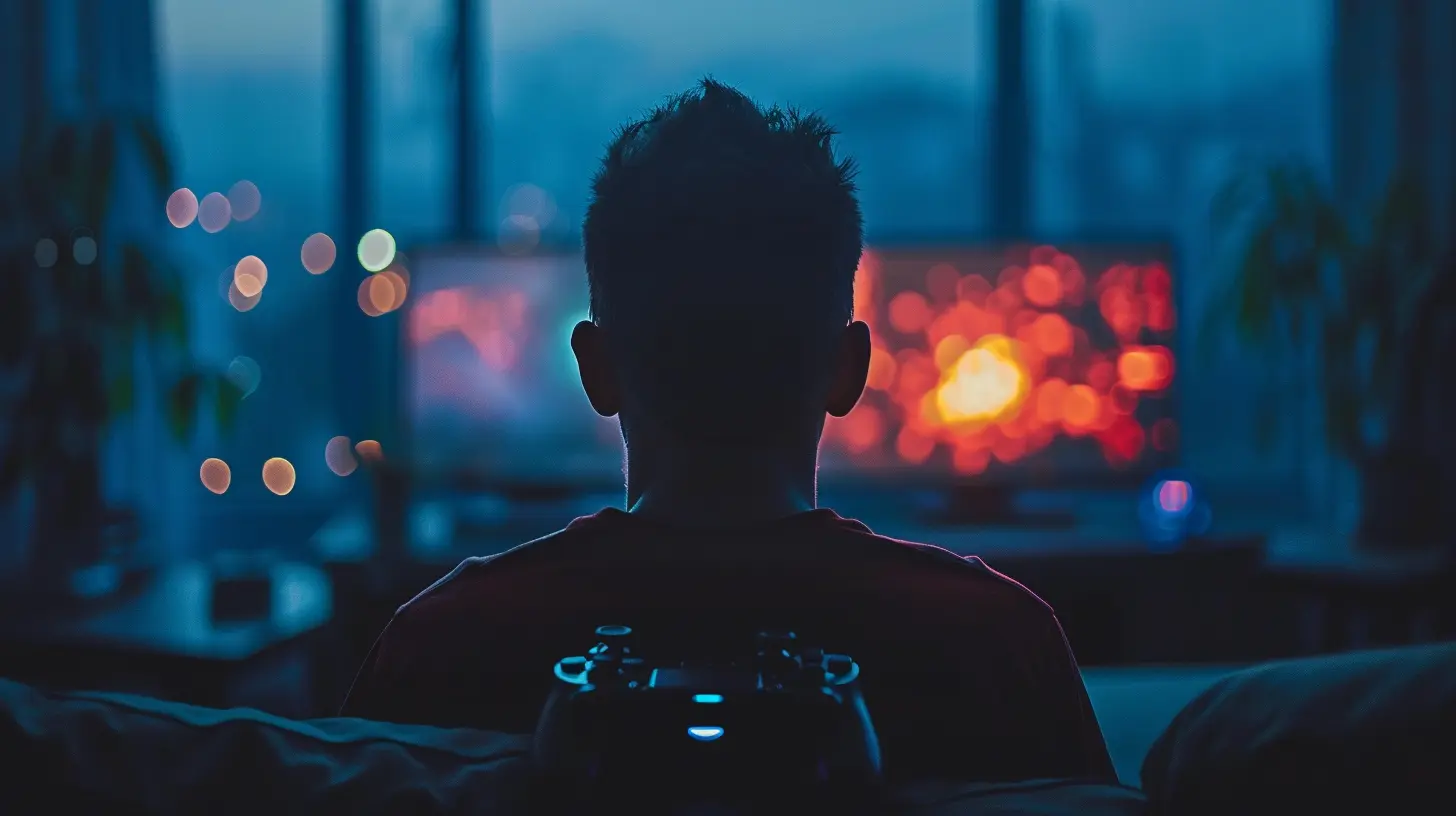
The Hidden Language of Trauma
Before we talk about power-ups and boss fights, let’s talk trauma. What does it really mean to be a "trauma survivor"?Trauma’s not just about what happened; it’s about how it keeps echoing in someone’s life. PTSD, anxiety, dissociation, insomnia—each person wears their trauma differently. And honestly, healing doesn’t come with a universal manual. Some people open up to talk therapy, others prefer writing, and some—turn to gaming.
We all have our ways of coping. For some, games are more than just entertainment—they're therapy in disguise.
Video Games: A Digital Safe Haven
Let’s be real: the real world can be messy, overwhelming, and painful. Video games, on the other hand, offer a controlled environment. They have predictable rules, clear goals, and best of all, second chances.Ever mess up in real life and wish you had a do-over? In games, you can hit "retry" without judgment. That small act, oddly enough, can feel incredibly powerful to someone navigating trauma.
A World You Can Control
Trauma shatters your sense of control. It makes you feel helpless. Games flip that script. Whether you're building cities in SimCity, surviving in Minecraft, or defeating dragons in Skyrim, you’re in charge.You're the hero. You make the calls. That feeling of control, even if it's digital, can start to patch up the cracks left by trauma.
Immersion as Escape—and That’s Okay
Ever wanted to just get away from it all? That’s where video games shine. They offer immersive realities where trauma doesn’t get to come along for the ride.No therapist is going to recommend full-on escapism 24/7, but temporary escape? That’s a form of self-care. Games let you breathe when the real world feels too heavy.
Storytelling That Resonates
Narrative-driven games like Life is Strange, The Last of Us, or Celeste aren't just gripping stories—they often mirror many emotional struggles real trauma survivors face.When a character fights anxiety, grief, or loss, and you’re helping them through it—it hits home. That emotional connection is powerful. Because in healing, sometimes just feeling seen is half the battle.
Community & Connection: The Social Side of Gaming
It’s easy to think of gamers as isolated, but guess what? Multiplayer games, online co-ops, and gaming forums bring people together in ways traditional therapy sometimes can’t.For trauma survivors, connecting can feel daunting. But gaming offers a less intimidating route.
Talking Without Talking
You don’t need to open up immediately. In fact, in a co-op mission or MMORPG (Massively Multiplayer Online Role-Playing Game), you’re already working as a team. You’re communicating without having those heavy emotional conversations—at least at first.But over time, friendships form. Safe spaces appear. For people whose trust has been shattered, this slow, choice-based social rebuilding can be life-changing.
Rebuilding Self-Esteem, One Achievement at a Time
Let’s talk wins—because trauma often erases your confidence. It tells you you’re weak, broken, or not enough. Games clap back with a different message: “You did it!”Small Wins = Big Impact
Whether it's beating a level after trying 10 times, unlocking a hard-earned trophy, or just surviving a survival mode, these wins add up.They remind trauma survivors, "You are capable. You can achieve. You can keep going." These aren’t just pixels on a screen; they’re affirmations.
The Power of Mindfulness in Gameplay
Here’s something you might not expect—some games actually teach mindfulness. Think puzzle games, rhythm games, or even farming sims like Stardew Valley. These types of games require focus, presence, and a bit of inner calm.That’s a recipe for mindfulness, my friend.
Flow State and Peace of Mind
Ever get so absorbed in a game that time just flies? That’s called a flow state. For trauma survivors who typically live on edge, slipping into flow feels like being wrapped in a warm blanket.It’s not about avoiding feelings—it’s about teaching the brain how to feel calm again.
Serious Games: Designed with Healing in Mind
Now, this part gets really interesting. Some games are actually designed by psychologists and researchers to help with mental health and trauma recovery.Therapeutic Games on the Rise
Take Sea of Solitude, a game that personifies mental health challenges through beautiful visuals and storytelling. Or SPARX, created to help young people with depression using RPG elements.These aren't your average AAA titles, but they speak directly to the heart. They invite players to reflect, process, and grow—all while staying within the familiar comfort of gameplay.
Game Therapy: Yes, It’s a Thing
This isn’t just speculation. Game therapy is gaining traction among mental health professionals. Some therapists are even recommending specific games as part of a patient's treatment.Digital Medicine?
Imagine combining your therapy sessions with game analysis. Talking about characters' choices, how you reacted to in-game stress, or whether managing a digital farm helped you sleep better.It might sound unconventional, but it's real—and it's working for many.
Warning: Not All Games Heal
Let’s keep it real—games aren’t a cure-all. Just as they can soothe, they can also trigger or isolate if misused.Know Your Triggers
Some games portray graphic violence or emotionally intense scenarios. For a trauma survivor, that might be too much. It’s important to choose games that align with where you're at emotionally.And remember: balance is key. Gaming should support your healing, not replace real-world support systems completely.
Personal Stories: Real Lives, Real Impact
Want proof? Just spend five minutes on gaming forums or Reddit threads, and you’ll find countless stories from people saying the same thing:_"This game saved my life."_
From veterans managing PTSD through tactical shooters to assault survivors finding comfort in cozy indie games, the testimonies are both heartbreaking and heartwarming.
It’s not just theory—it’s touching lives.
Why This Matters (Even If You’re Not a Gamer)
Even if you’ve never picked up a controller, this topic matters. Why? Because it challenges outdated ideas about recovery. It says healing doesn’t have to be traditional—it can be pixelated, interactive, and even fun.And if we can help trauma survivors feel powerful again, why should we care how it happens?
Maybe the hero’s journey doesn’t start in therapy—but in Hyrule, on a spaceship, or inside a pixelated cave.
Final Thoughts: Games as Gentle Guides
The beautiful irony? The same platforms often blamed for desensitizing people are becoming tools of deep emotional sensitivity and healing.Sure, games won’t erase trauma. But they can soften its impact. They can remind survivors of their strength, give them a place to breathe, and maybe even bring a little joy back into the picture.
So the next time someone says, “It’s just a game,” maybe—just maybe—you’ll know there’s a whole other story playing out behind the screen.
all images in this post were generated using AI tools
Category:
Gaming And Mental HealthAuthor:

Whitman Adams
Discussion
rate this article
1 comments
Thalia Stone
Games offer trauma survivors a unique escape and a way to process their experiences. Through storytelling and community, they foster resilience and healing, providing a safe space to confront and navigate difficult emotions.
May 31, 2026 at 4:03 PM