How Weather and Seasons Affect Strategy in Open-World RPGs
17 January 2026
Open-world RPGs are all about freedom, immersion, and player-driven decisions. You get to carve your own path, pick your battles, and explore vast, detailed worlds teeming with lore and secrets. But there’s one element many players overlook – the weather and seasons. Yep, I’m talking about those rainy afternoons, blizzards that reduce visibility, or summer heat waves that make deserts unbearable.
So, how exactly do changing weather conditions and seasonal shifts impact how we play open-world RPGs? Let’s dive into the nitty-gritty (grab your digital raincoat or sunscreen – we're heading out).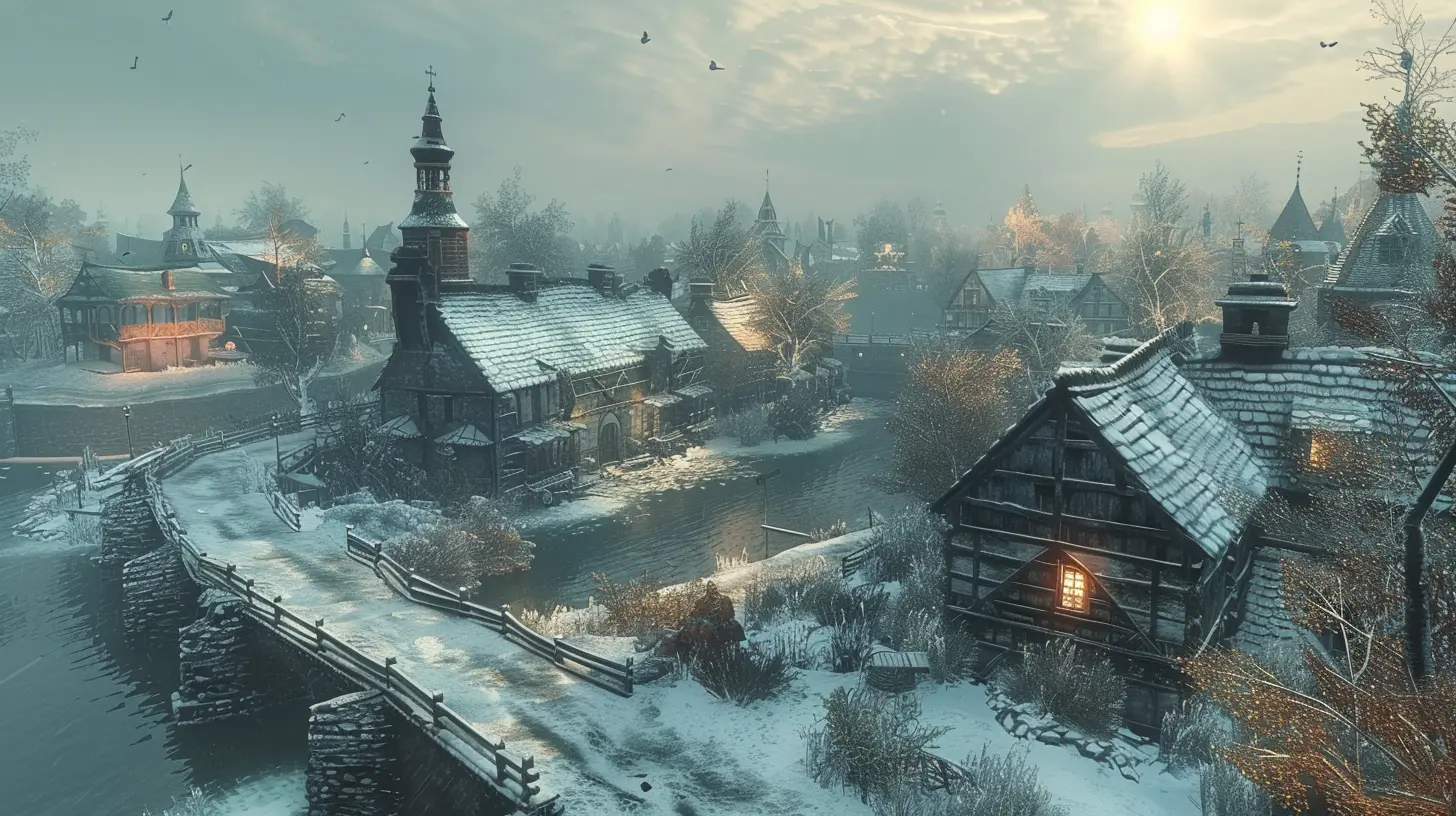
Weather and Seasons Aren’t Just for Show Anymore
For years, weather was just a pretty backdrop in games. A little rain here, some clouds there – all just eye candy. But boy, times have changed. In modern open-world RPGs, weather and seasons are more than visual effects. They're gameplay mechanics that shape your strategy, influence combat, affect travel, and even stir up the game's economy.Think of the World Like a Living, Breathing Character
Imagine you’re playing a survival-heavy RPG like The Witcher 3, Red Dead Redemption 2, or Skyrim. Each of these games brings the world to life in ways that genuinely impact your choices – and the world reacts right back. Weather and seasonal changes become dynamic elements that can hinder or help depending on how well you adapt.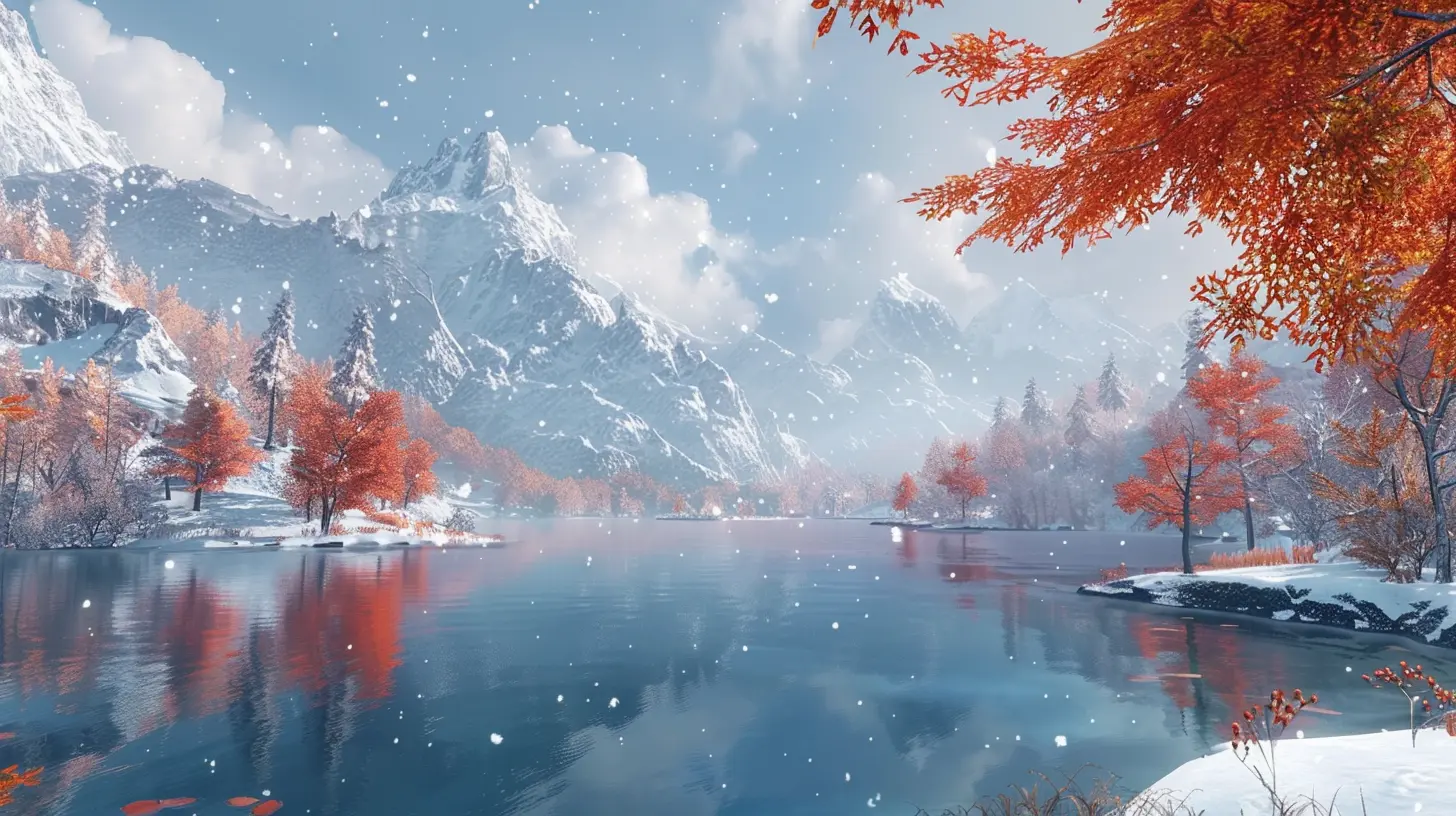
Let’s Start with Weather: The Unpredictable Game-Changer
Rain, Rain… Oh, It’s Not Just in the Background
Ever tried archery in the rain in a game like Horizon Zero Dawn or Zelda: Breath of the Wild? It's harder. Rain reduces visibility, affects your accuracy, and might even soak your equipment depending on the game mechanics.Rain can also put out fires, which is a complete game-changer if you're relying on fire-based attacks or torches in dark areas. Sneaking around? Rain can mask your footsteps, making your stealth game that much more effective. That’s pretty awesome if you're the sneaky rogue type.
Snowstorms: A Nightmare for Visibility and Mobility
Snowstorms are the winter version of chaos. Visibility drops, movement slows down, and if survival mechanics are in place (hello, Frostpunk vibes!), you’ll need warm gear, shelter, or heat sources. What was once a leisurely trek through open fields—bam, now it’s a struggle for survival.Heatwaves and Desert Storms: Don’t Get Burned
On the flip side, games set in hotter climates introduce another type of challenge. In-game deserts, like in Assassin’s Creed Origins, bring sandstorms that mess with your sight and sound. And don't forget about overheating – an underrated but deadly enemy if water and shade aren’t easy to come by.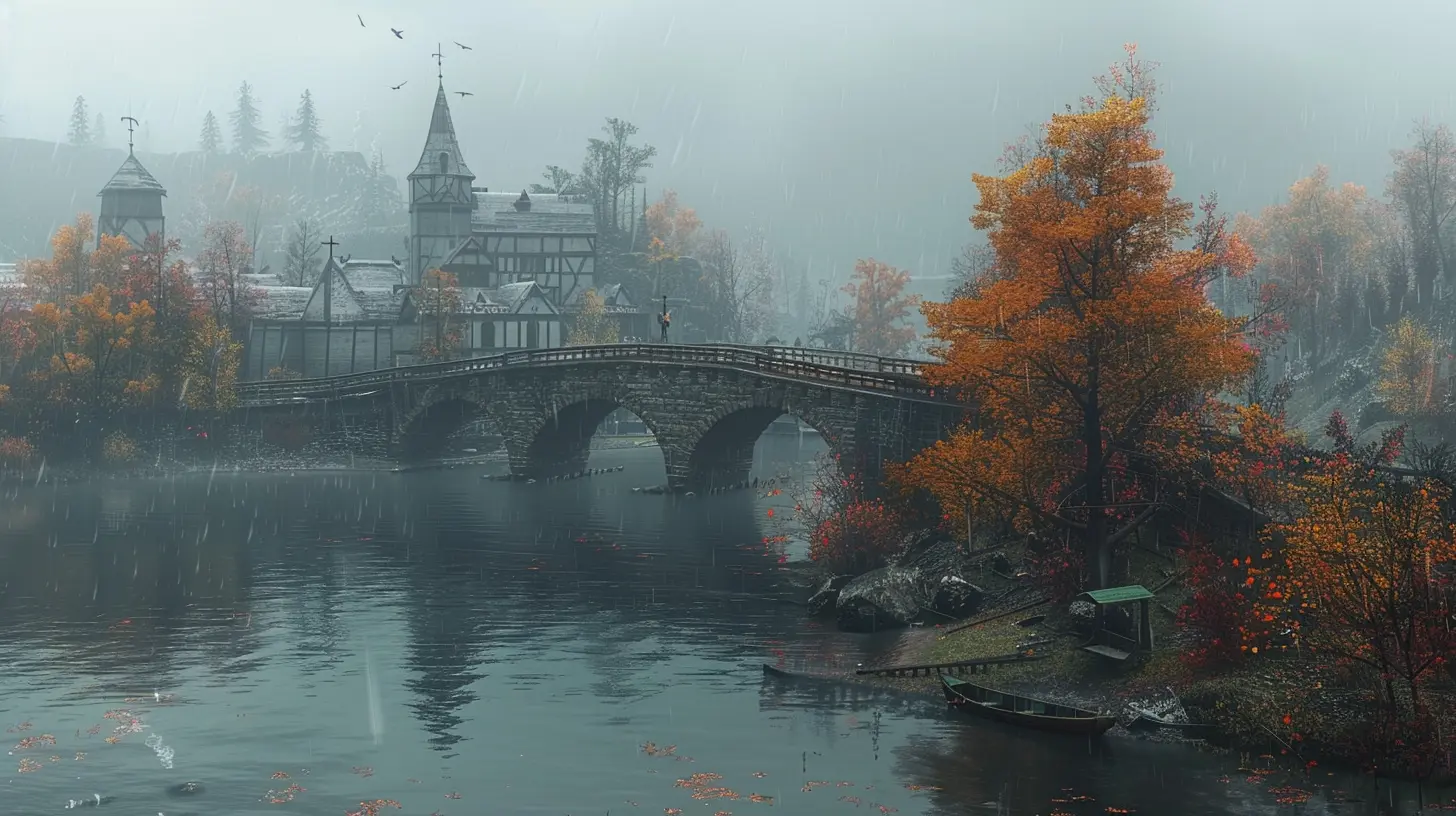
Let’s Talk Seasons: The Long Game of Planning
Now, this is where things get really interesting. Weather is temporary, but seasons? Those are long-term and often tied to in-game cycles. They can change the environment dramatically, from available quests to monster behavior.Spring: Time to Bloom and Gather
Most games depict spring as a time of renewal – lush forests, blooming herbs, and active wildlife. Gathering resources and exploring is usually safest in spring. Take this chance to stock up on herbs, hunt animals, and prepare for tougher seasons.Summer: Hot, Harsh, and Often Hostile
Summer may look beautiful, but it’s often when difficulty spikes. In some games, enemies become more aggressive, heat starts impacting stamina, and wildlife behaves differently. You might even run into unique threats like seasonal animals or bandits who are more active during this time.Fall: Transition and Preparation
This season usually acts as the calm before the storm. It’s a perfect time to prepare for winter – gather supplies, upgrade gear, and finish quests that might be impossible in the snow-covered months.Winter: The Survival Test
Winter is not for the faint-hearted. In seasonal RPGs like Don't Starve, Project Zomboid, or Valheim, winter is brutal. Resources become scarce, travel turns dangerous, and you need to plan every step. Even your character’s health can be at risk if you don’t stay warm or find food.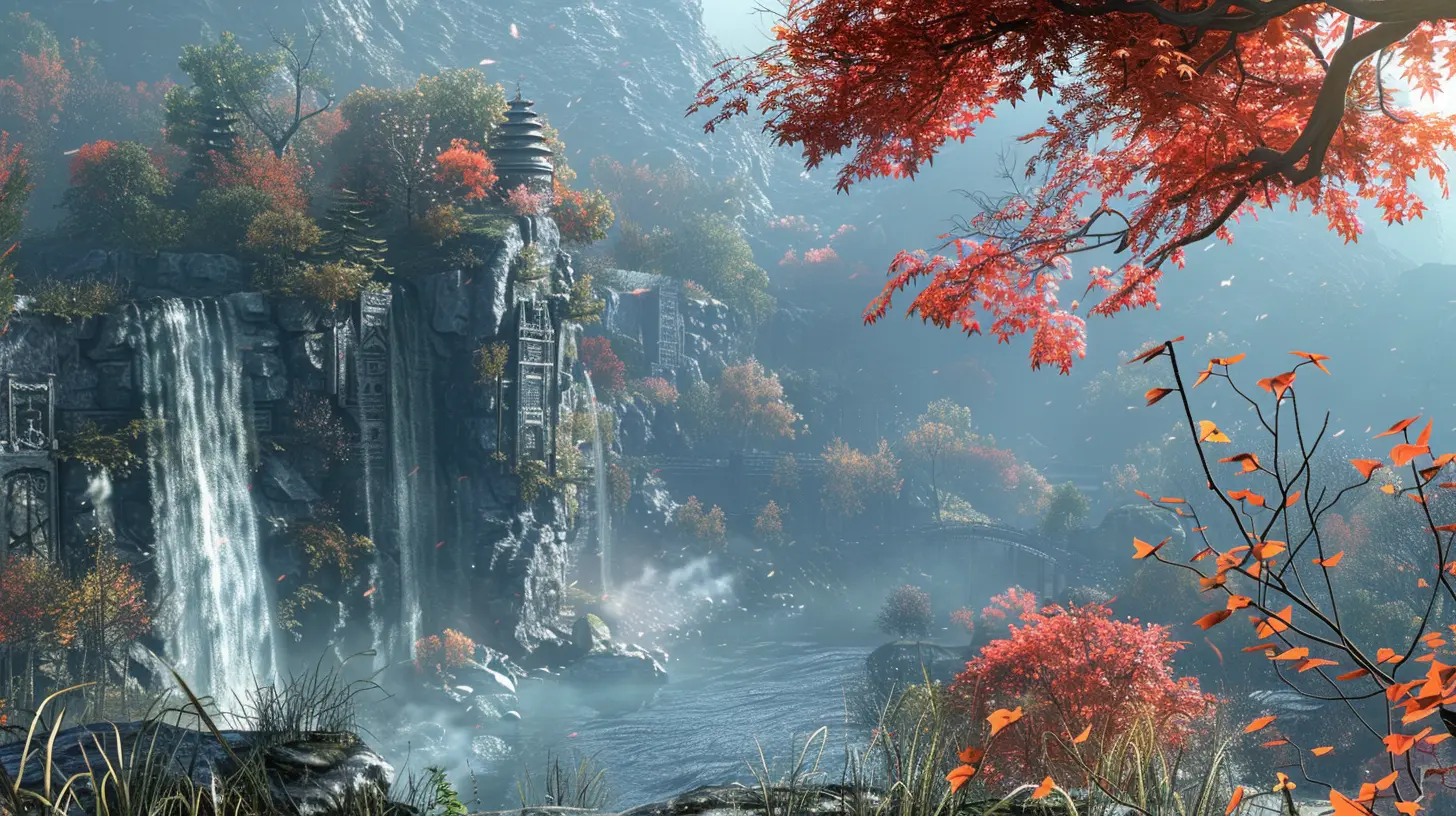
Strategic Impacts: Why Weather and Seasons Matter More Than You Think
Alright, so with all this moody weather and seasonal variety, what does it mean for your gameplay?Combat Isn’t the Same Every Day
Imagine you’re in a sword fight during a blinding snowstorm. Your visibility is trash, enemies can sneak up easier, and your movements are clunky due to deep snow. But turn that same fight into a clear summer night, and suddenly agility and range dominate.Weather conditions force you to rethink tactics. Maybe you avoid certain areas during storms or only attack at night during clear weather to enhance stealth. That’s depth, and it’s glorious.
Open-World Exploration Becomes a Puzzle
Weather and seasons can either open new paths or close them off. Frozen lakes in winter can become shortcuts, but in spring, they’re just hazards. Avalanches might block mountain paths in winter, forcing detours. And floods? They can change the landscape entirely, making old areas inaccessible or opening up new ones.You’ll start checking the in-game calendar like you're planning a real trip. "Should I do the mountain quest now or wait for summer when the snow melts?" – That’s not just immersion. That’s brilliant design.
Resource Management: Plan Now or Pay Later
Seasons majorly impact what you can and can’t gather. Herbs might only grow in spring/summer. Certain animals might hibernate in winter. Fishing could be seasonal depending on weather or time of year. So, what’s the smart move? Stockpile when you can.This ties into crafting and economy too. If furs are plentiful in winter but scarce in summer, guess what happens to market prices? Smart players exploit this. You’re not just playing a hero – you’re playing a savvy entrepreneur.
Emergent Gameplay: The Real Beauty of Weather and Seasons
One of the most beautiful things in open-world RPGs is emergent gameplay – those unscripted, unpredictable moments that feel uniquely yours. Weather and seasons crank the dial on these experiences.You adapt. The world reacts.
You might plan a sneak attack, but a sudden thunderstorm ruins visibility. Or you're ambushed by wolves during a blizzard because the snow muffled their approach. Every weather-driven challenge makes the game feel fresh, dynamic, and personal.It’s like the world has a personality of its own. And that’s where the magic is.
Games That Nailed Weather and Seasonal Mechanics
Let’s give a shoutout to some RPGs that do this exceptionally well:- The Witcher 3: Wild Hunt – Uses dynamic weather to affect visuals and mood. Rain impacts monster visibility, and storms alter NPC behavior.
- Red Dead Redemption 2 – Seasonal changes and detailed weather systems impact everything from tracking animals to maintaining your weapons.
- Skyrim (with mods) – Weather and seasons become critical, especially with survival mods turned on (Frostfall and Campfire being fan favorites).
- Zelda: Breath of the Wild – Rain makes climbing slippery, lightning can strike metal gear, and cold/hot areas demand proper clothing or elixirs.
- Valheim – Biome-based weather impacts survival, with storms and winters being deadly without preparation.
How to Adapt Your Strategy to Weather and Seasonal Changes
Alright, let’s get practical. Here are a few tips you can carry across most games:1. Always Watch the Sky (or Forecast)
Many games have weather forecasts or clues from NPCs. Use them. Planning a raid during a storm might give you stealth advantages – or it might turn into a mess if you rely on fire-based skills.2. Gear Up Accordingly
Carry weather-appropriate gear. Cold resistance armor, cloaks for the rain, goggles for sandstorms – it’s all about preparedness. Heck, even horses or mounts might need protection in survival-based games.3. Time Your Quests with Seasons
Don’t attempt that long-distance escort mission in the middle of a blizzard unless you're ready for pain. Some NPCs even offer seasonal quests, only available at certain times. Miss them, and you'll have to wait until the next in-game year.4. Stock Up Early
Prepare for the tough seasons in advance. Don’t wait until winter to start gathering firewood or hunting food. Playing the long game pays off.Final Thoughts: Weather and Seasons Are More Than Just Fluff
Weather and seasons in open-world RPGs aren’t just pretty features—they add strategic layers, force you to adapt, and keep you on your toes. They turn static worlds into living ecosystems, where your timing, planning, and flexibility can mean the difference between success and a reload screen.And honestly? They make the journey way more immersive and fun. So the next time dark clouds roll in during your expedition, don’t curse at the game. Smile. Because you’re about to write a story only you could experience.
all images in this post were generated using AI tools
Category:
Fantasy RpgsAuthor:

Whitman Adams
Discussion
rate this article
2 comments
Patience Wells
The article effectively highlights how dynamic weather and seasons can deepen immersion and strategic complexity in open-world RPGs. However, it could further explore specific examples and player experiences to illustrate these concepts more vividly and enhance engagement.
January 19, 2026 at 5:18 PM
Whitman Adams
Thank you for the feedback! I appreciate your suggestion to include specific examples and player experiences, and I’ll consider expanding on those aspects in future revisions to enhance engagement.
Elwynn Parker
Great insights on the impact of weather and seasons in open-world RPGs! Your analysis highlights how these elements enhance immersion and challenge, adding depth to gameplay. Looking forward to more articles like this!
January 19, 2026 at 4:18 AM
Whitman Adams
Thank you so much for your kind words! I’m glad you found the insights valuable. Stay tuned for more articles!