In-Game Failure and Its Lessons for Coping with Real-Life Setbacks
30 April 2026
Let’s be honest—we’ve all had those moments. You’re down to the last boss with a sliver of health, your fingers are sweating, your heart is racing… and boom. Game over. Just like that. Defeat.
It sucks, right?
But think about this: How many times have you hit "continue" or "retry" without even thinking twice? Probably hundreds. That tiny moment of defeat in your favorite game might seem insignificant in the grand scheme of life, but it's actually doing something huge—it’s teaching you how to cope with failure.
Yup, in-game failure isn't just a bummer; it's a blueprint for bouncing back. And the lessons it gives us? They translate WAY beyond the screen and into the messiness of real life. Let’s dive deep into how your failures in games can actually help you crush setbacks outside the digital world too.
The Comfort of Failing in a Safe Space
One of the reasons video games are such powerful teaching tools is because they let us fail safely. You mess up, and the worst thing that happens is you respawn or lose a few points. Nobody's judging you (unless you're streaming to a salty crowd), and you always get another shot.Compare that to real life. When we fail—a job interview, a relationship, an exam—it feels personal. We attach our self-worth to it. But here’s the catch: failure is inevitable in both games and life. The big difference is how we react to it.
Games show us that failing doesn’t mean we’re a failure. It just means we haven’t won yet.
The Psychology Behind Game Failure: Why We Keep Trying
Ever wonder why we keep coming back even after a hundred losses in a row?That’s not by accident. Good game design uses something psychologists call the "failure loop." It’s a delicate balance of challenge and reward. Games are designed to push us to the edge of our abilities, then encourage us to improve and try again. And our brains love that feedback loop.
When we lose, we get immediate feedback:
- What went wrong?
- What can we try differently?
- Can we level up, change our approach, or reevaluate our tactics?
This trial-and-error cycle builds resilience. It wires our brains to see setbacks not as punishments, but as opportunities for growth.
Life Imitates Play: Facing Setbacks Like a Gamer
Let’s apply this to real life. Whether it’s failing to meet a work deadline, struggling in school, or facing personal disappointment, how often do we take that failure and learn from it?Sadly, not always.
But if we approached life the same way we approach tough levels in Dark Souls or the relentless retries in Cuphead, imagine how different it’d be. Here’s what games teach us about real-life setbacks:
1. Failing Is Part of Progress
You don’t start off as a pro. In both games and life, you suck at first. That's normal. In fact, it's expected.Gamers understand that you improve over time. You don't beat the final boss on your first go—just like you won’t land your dream job with your first resume or fix a relationship with one conversation. Persistence is key.
2. Reflection Fuels Improvement
After a loss in a game, what do you do? You analyze. You think, “That enemy always comes from the left. I need to dodge right.” You learn.Real-life failures deserve the same attention. Instead of wallowing in “I can't believe I messed up,” ask, “What can I take away from this?” The more you reflect, the better you get.
3. Emotional Regulation is Everything
Games teach us to manage frustration. Rage-quitting? That happens. But we come back—often with a clearer mind.In life, emotional regulation helps us move past failure without getting stuck in negativity. It's okay to feel bad—just don’t stay there. Channel your inner gamer and reload with a new mindset.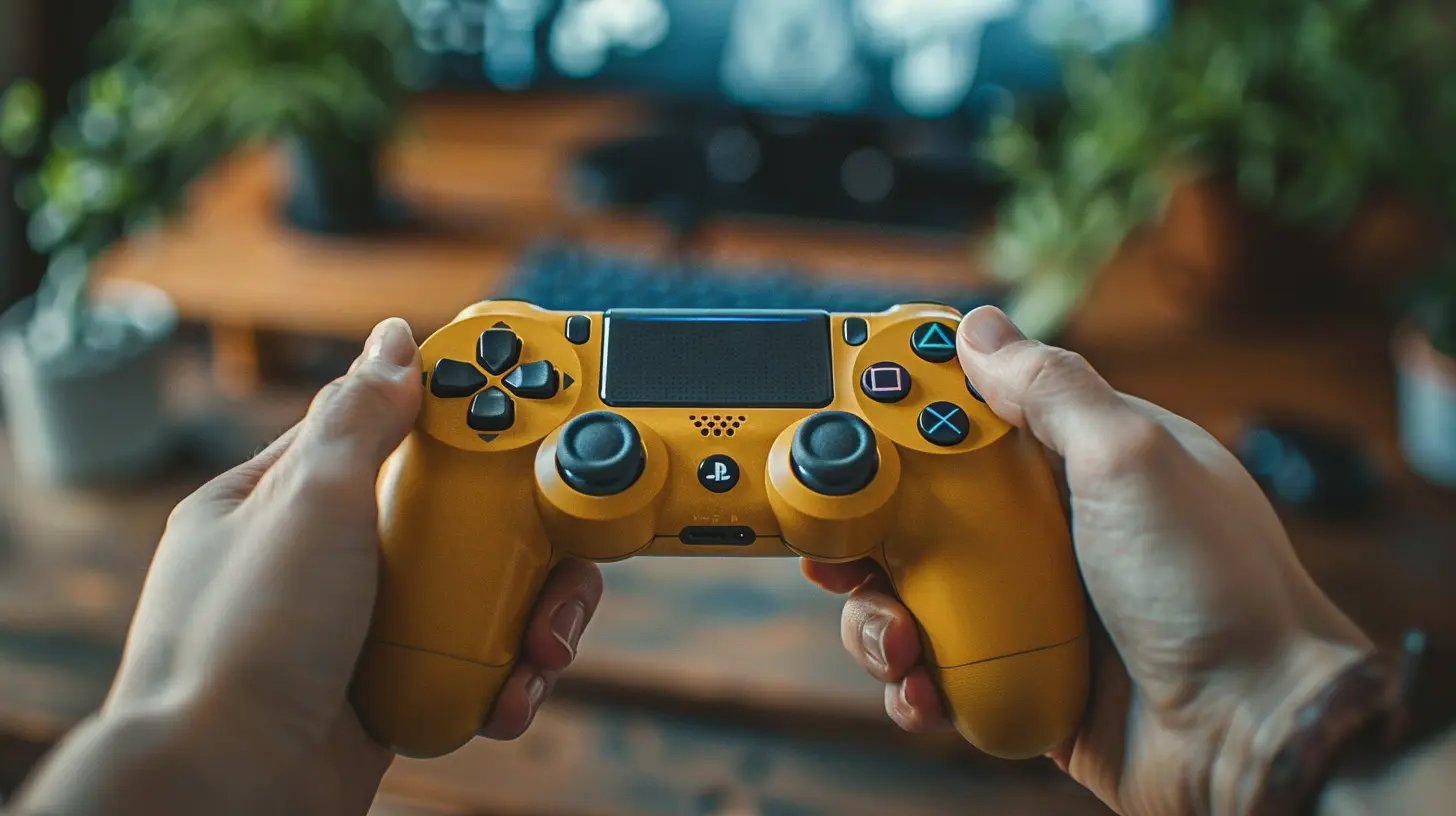
Gamification of Life: Turning Setbacks Into Quests
Here’s a fun idea: What if we treated real-life challenges like side quests?Lost your job? That’s just a mid-game plot twist. Time to gather resources (update your resume), talk to NPCs (network), and grind a bit (apply to jobs, improve skills). Eventually, you’ll level up.
When you view life through a game lens, setbacks turn into missions, and progress—however small—feels rewarding.
Famous Games That Turn Failure into Feature
Let’s look at how some legendary games build failure right into their DNA—and what they teach us.?️ Dark Souls Series
Known for its brutal difficulty, Dark Souls doesn’t even try to be forgiving. You will die. Over and over.But each death forces players to rethink strategy, learn enemy patterns, and level up—both in-game and mentally. It’s a masterclass in perseverance.
Life Lesson: Don’t fear the loss. Fear not learning from it.
? Celeste
This indie platformer has you dying hundreds of times just to make a single jump. But every failure feels fair, and the game encourages you with inspiring messages. It’s a metaphor for battling inner demons.Life Lesson: Your struggles are real, but they don’t define you. Keep climbing.
? Portal Series
Portal isn’t about enemies or combat—it’s about puzzle-solving. Every failure teaches you a new way of thinking. You often use what you just learned failing to solve the next problem.Life Lesson: Think differently. Sometimes the solution isn’t obvious until you fail a few times.
Building Real-Life Skills Through In-Game Failure
Gamers don't just build skills inside the virtual world. They’re constantly training real-life abilities every time they fail and try again.✅ Problem Solving
Games challenge you to look at problems from multiple angles. Think of every puzzle or strategy game you’ve played. That kind of thinking transfers to real-world situations like conflict resolution, time management, and decision-making.✅ Adaptability
Games throw curveballs. You adapt, change weapons, switch strategies, or even restart the level. Life’s no different. Being adaptable means you can pivot when things don’t go your way—and that’s a real superpower.✅ Patience and Persistence
Whether it takes 3 hours or 30—you don’t stop until you win. That kind of stick-to-it-ness is exactly what helps people succeed in business, relationships, or personal goals.Getting Comfortable With Setbacks: Turn Fear Into Fuel
Let’s get real: fear of failure stops people from even trying.But gamers? They're not afraid to lose. They expect it. That mindset—that failure is just a step toward eventual victory—is gold.
So how do you apply that mindset IRL?
- Normalize failure. Everyone fails. It means you’re actually doing something.
- Celebrate small wins. In games, earning XP feels good—even if it’s just a little. Do the same in life. Progress is progress.
- Take breaks, not breakdowns. Frustrated? Step away. Recharge. You’ll return more focused and balanced.
Final Thoughts: Press Start on Your Comeback
The next time you fail in real life—get rejected, screw up, fall short—channel your inner gamer.Ask yourself:
- What did I learn?
- What can I try next?
- How can I turn this into XP?
Life doesn’t give you a checkpoint system, but it does give you the ability to retry. Again. And again. And again.
So treat every setback like a game over screen—not the end of your story, but the beginning of your next epic attempt.
Ready to hit continue?
all images in this post were generated using AI tools
Category:
Gaming And Mental HealthAuthor:

Whitman Adams
Discussion
rate this article
2 comments
Willow Estes
This article highlights a crucial lesson: the resilience gained from in-game failures prepares us for real-life challenges. However, it overlooks the emotional weight of those setbacks. Not all players learn equally, and some may struggle to translate virtual lessons into meaningful real-world growth.
May 14, 2026 at 4:18 PM
Courtney Diaz
This article beautifully highlights how in-game failures can mirror real-life setbacks. Embracing those lessons not only helps us grow in games but also strengthens our resilience outside of them. Great read!
May 13, 2026 at 2:30 AM
Whitman Adams
Thanks for the kind words! I'm glad you found the parallels between gaming and real life meaningful. Embracing those lessons really can make a difference.