Learning Level Design from the Best Game Remakes
21 June 2026
If you're someone who’s fascinated by game design—especially level design—then buckle up. Because we’re about to dive into one of the most underrated but powerful ways to master it: learning from the best game remakes. We're not just talking about graphical overhauls or fancy lighting upgrades. Nope, we're talking about how the very structure of these remakes can teach us the blueprint of epic level design.
Game remakes give developers a second chance to refine, reinvent, and sometimes completely rebuild what once worked... or didn’t. And for us aspiring level designers? That’s a goldmine of knowledge. So, grab your notebook—or just your brain—and let’s break it down.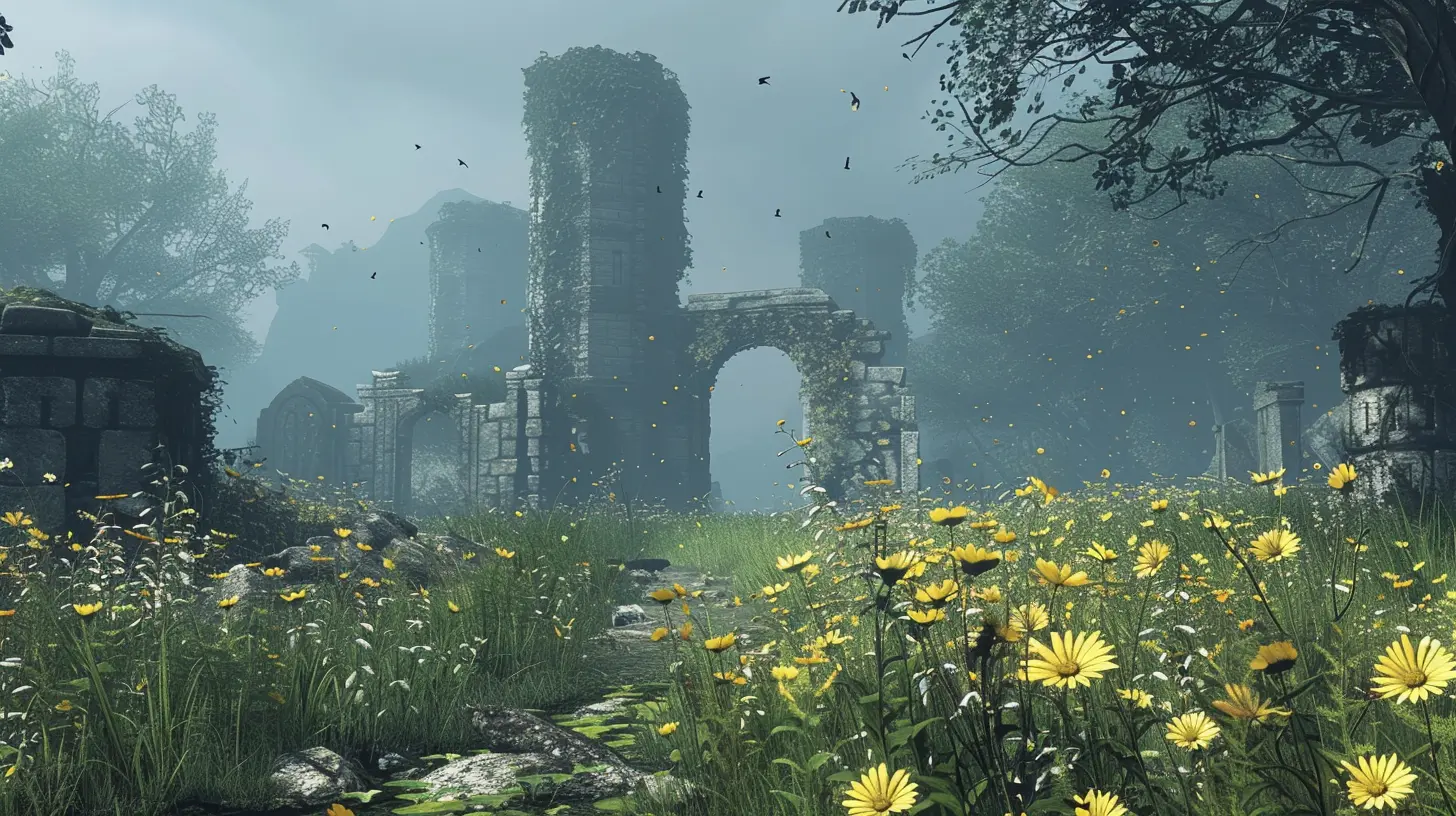
Why Remakes Are a Masterclass in Level Design
Let’s start with the big picture. Why should you even bother looking at remakes for level design lessons?Well, think about it. Remakes usually start with the bones of the original map, layout, and pacing. Developers don’t scrap what worked—they polish it. And what didn’t work? They fix it. That means you get a side-by-side comparison between “what was” and “what should be.” It’s like having the teacher’s answer key while also seeing all the failed homework attempts.
Remakes show us how player behavior, game mechanics, and modern expectations are factored into spatial design. And that is invaluable.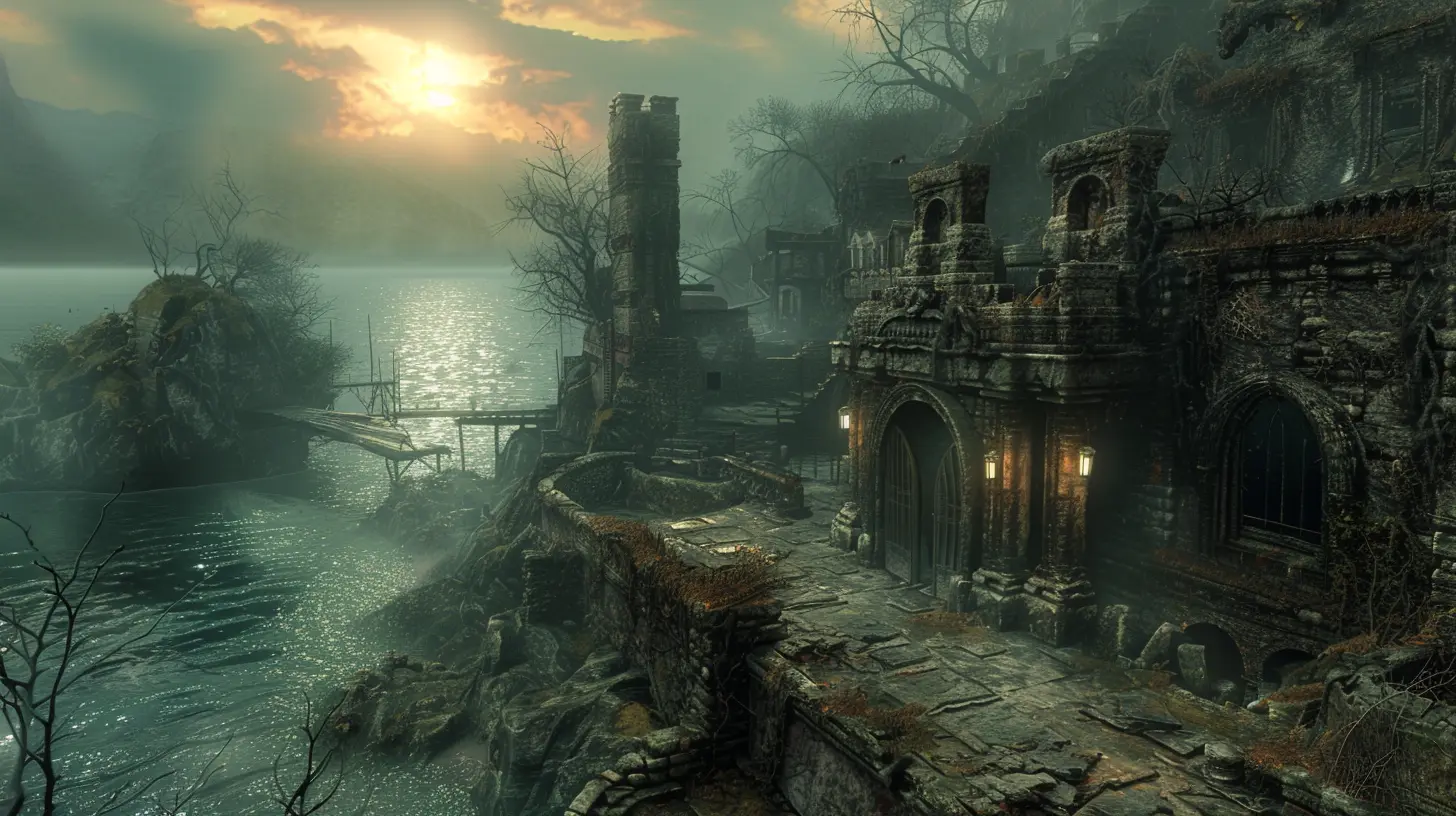
What Makes Great Level Design Anyway?
Before we jump into the remakes themselves, let’s pin down what we’re looking for. Great level design isn’t just about looking good. It’s about:- Flow: Are players naturally guided through spaces?
- Challenge and Reward Balance: Do the levels encourage exploration without punishing curiosity?
- Pacing: Are there moments of tension and relief?
- Feedback Loops: Can players recognize patterns and learn as they go?
- Narrative Integration: Does the space support the story?
Now keep these in mind as we explore some iconic game remakes that nailed—or redefined—level design.
1. Resident Evil 2 Remake – A Masterclass in Spatial Tension
Capcom didn’t just remake Resident Evil 2—they resurrected it. And they did it by carefully reshaping the Raccoon City Police Department (RPD) into a tightly-knit web of dread and delight.What You Can Learn:
- Environmental Storytelling: Every hallway in the RPD tells a story. Blood trails, barricades, and busted doors all hint at past chaos—and funnel the player in specific directions without yelling “go here!”- Looping Level Design: The RPD isn’t linear. It’s a loop. Players keep revisiting areas with new keys, tools, or goals. This not only extends gameplay but also makes the space feel alive and real.
- Pacing through Space: Safe rooms and horror zones are placed so you’re constantly shifting between “thank goodness” and “holy crap.” That emotional rollercoaster? All thanks to smart level pacing.
Takeaway:
Want to keep players engaged and tense at the same time? Study how RE2 Remake guides players spatially without handholding.
2. Demon’s Souls Remake – Respecting Legacy While Enhancing Flow
When Bluepoint Games tackled Demon’s Souls, they had a challenge: preserve the essence, but fix the frustrations. And boy, did they walk that tightrope well.What You Can Learn:
- Hub-Based Design: Demon’s Souls central hub, the Nexus, is a perfect example of giving players a clean mental map. You always return to a familiar place—this creates structure even in a chaotic world.- Risk vs. Reward Spaces: Level shortcuts, secret areas, and trap-laden corridors give players choices. Do you risk the deadly path for a greater reward? This kind of choice architecture encourages smart player behavior.
- Improved Readability: In the remake, visual cues were enhanced. Lighting and shadow now subtly guide the player’s eye—no neon signs needed.
Takeaway:
Modern players expect intuitive navigation, even in punishing worlds. Study how Demon’s Souls Remake balances difficulty with spatial clarity.3. Final Fantasy VII Remake – From Linear to Lifelike
Square Enix flipped the formula for Final Fantasy VII Remake. What was once a blocky, zoomed-out experience now feels like you're walking through a breathing, bustling Midgar.What You Can Learn:
- Verticality Matters: Ever noticed how the sector structures give you both a top-down and bottom-up view? This changes how players perceive space—and where they choose to go.- Emotional Landmarks: Locations like Sector 7’s slums, Aerith’s house, and Shinra Tower aren’t just plot points. They’re emotional anchors. Great level design links physical space to story beats.
- Expanded Exploration: While the OG FF7 skimmed over certain areas with pre-rendered backgrounds, the remake fleshes them out with hidden alleys, side quests, and collectibles. It invites curiosity.
Takeaway:
Use environment to amplify storytelling. Turn maps into memory lanes.4. Shadow of the Colossus Remake – Atmosphere Through Spatial Isolation
Few games use emptiness quite like Shadow of the Colossus. And Bluepoint's remake only intensifies that haunting vibe.What You Can Learn:
- Negative Space is Powerful: The vast, empty landscapes feel surreal. You’re meant to feel small. This contrast makes each colossus encounter massive—literally and emotionally.- Landmarking: Because there's no quest marker, players rely on visual cues—massive ruins, mounts, and lighting. This teaches how to direct players organically.
- Moment-to-Moment Design: It’s not about constant engagement. It’s about creating anticipation. The long ride to a battle is part of the rhythm.
Takeaway:
Level design doesn’t always need to be packed. Sometimes, silence and space are the loudest design tools.5. The Legend of Zelda: Link’s Awakening (Switch Remake) – Classic Layout, Modern Polish
Link’s Awakening got a facelift, but under the cute toy-box visuals lies a map that teaches brilliant dungeon design.What You Can Learn:
- Clear Objective Indicators: Despite being a top-down game, the remake smartly uses symbols, switches, and spatial logic to guide players through puzzles.- Interconnected Dungeons: Every room feels like a piece of a larger puzzle. Paths fold back onto themselves, forcing you to re-contextualize earlier spaces.
- Pacing Through Gear: Gaining new items opens up previously inaccessible areas. This design loop keeps exploration rewarding and the map evolving.
Takeaway:
Good level design isn't about linearity. It’s about layering freedom and constraint in clever ways.How to Apply These Lessons to Your Own Games
So, you’ve got all these juicy lessons—what now? Here’s how to put them to work:1. Analyze, Don’t Just Play: Next time you boot up a remake, ask yourself why each door, corridor, or enemy is placed where it is.
2. Sketch Existing Maps: Reverse engineer. Grab some paper (or use layout software) and recreate the game maps. Label choke points, loops, and key emotional beats.
3. Playtest Like It's 1999: Get feedback from friends. Don’t tell them what’s supposed to happen—watch what actually happens. Adjust your designs accordingly.
4. Prototype Small Segments: Try building just one room or corridor using what you've learned. Focus on flow, feedback, and function.
5. Mix Old and New Ideas: Maybe take an idea from RE2’s looping layout and blend it with FF7’s emotional landmarking. That mashup might be the secret sauce your level needs.
Final Thoughts
When you look at the best game remakes, you're not just witnessing nostalgia done right. You're peeking into the minds of master designers who've had the rare chance to "edit their homework." They’ve studied their past work, received years of feedback, and built something stronger, smarter, and more player-focused.For us? That’s a blueprint. That’s a lesson plan.
So next time you load up a remake—even just for fun—pause for a second. Ask: “What is this level trying to make me feel?” Because that’s where the real learning begins.
Game on.
all images in this post were generated using AI tools
Category:
Game RemakesAuthor:

Whitman Adams
Discussion
rate this article
1 comments
Astrid Price
This article captures the essence of what makes game remakes special. It's inspiring to see how these classics can teach us about level design. The blend of nostalgia and innovation can truly elevate the experience for both developers and players alike. Great read!
July 7, 2026 at 4:31 AM
Whitman Adams
Thank you for your thoughtful comment! I'm glad you found the article inspiring. Game remakes really do offer a unique perspective on design.