Managing Gamer Guilt and Prioritizing Mental Health
24 May 2026
Let’s be real for a second: gaming is awesome. Whether you’re grinding competitive matches in Apex Legends, building a blocky empire in Minecraft, or just escaping into beautifully crafted RPGs like The Witcher or Elden Ring—games are more than entertainment. For many of us, they’re stress relief, social hubs, and even coping mechanisms. But, somewhere between back-to-back gaming sessions and responsibilities piling up, that sneaky little thing creeps in—gamer guilt.
You’ve been there, right? That moment when you glance at the clock and realize you’ve been playing for five hours… again. It hits differently. There’s this inner voice whispering, “Shouldn’t you be doing something more productive?” And, just like that, the pleasure fades and guilt sets in. But what if we told you that it’s okay to love gaming? That it’s possible to enjoy games guilt-free while still staying mentally healthy?
Let’s dive deep into understanding gamer guilt, how it affects our mental well-being, and most importantly—how to manage it like a boss.
What Is Gamer Guilt, Anyway?
Gamer guilt is that nagging feeling you get when you think you’ve played “too much.” It’s the mental tug-of-war between loving the game and feeling like you’re wasting time.Sounds familiar?
Maybe you skipped the gym, postponed laundry, or delayed replying to that one important email. And while it’s normal to feel some responsibility, this guilt can become toxic—especially when it starts affecting your self-worth or mental health.
Here’s the twist though: guilt isn’t always bad. It’s your brain’s way of saying, “Hey, maybe balance things out a bit.” But when it’s constant, unearned, or exaggerated? That’s when we need to address it.
Why Do Gamers Feel Guilty?
Let’s unpack this. Gamer guilt often stems from:1. Societal Stigma Around Gaming
People still associate gaming with laziness or immaturity. Despite it being a billion-dollar industry with millions of adult players, gamers are often unfairly judged. If you’ve been told “games rot your brain” or “grow up already”—it sticks.2. Self-Imposed Standards
You set crazy high expectations for yourself. You want to be productive 24/7, optimize every second, hustle non-stop. So gaming feels like a “waste” because it doesn’t produce tangible results. You forget that rest, enjoyment, and fun are productive too.3. Unbalanced Lifestyle
Sometimes, the guilt is fair game. If you’re skipping sleep, meals, or ducking responsibilities to keep gaming, your brain will call you out. That’s not guilt—it’s a signal to reassess your priorities.4. External Pressures
From family, partners, or even work colleagues. When others don’t “get” your love for gaming, it can create conflict. Even casual remarks like “you’re still playing that thing?” can spark guilt.
Signs It's Time to Rebalance
Let’s check in with ourselves. If you find yourself:- Feeling anxious or irritable when you're not gaming
- Avoiding responsibilities in favor of screen time
- Losing track of time frequently
- Using games to escape from problems, instead of facing them
- Feeling down or worthless after long sessions
…then it might be time to check your balance. This doesn’t mean gaming is bad. It means your relationship with gaming might need a little tune-up.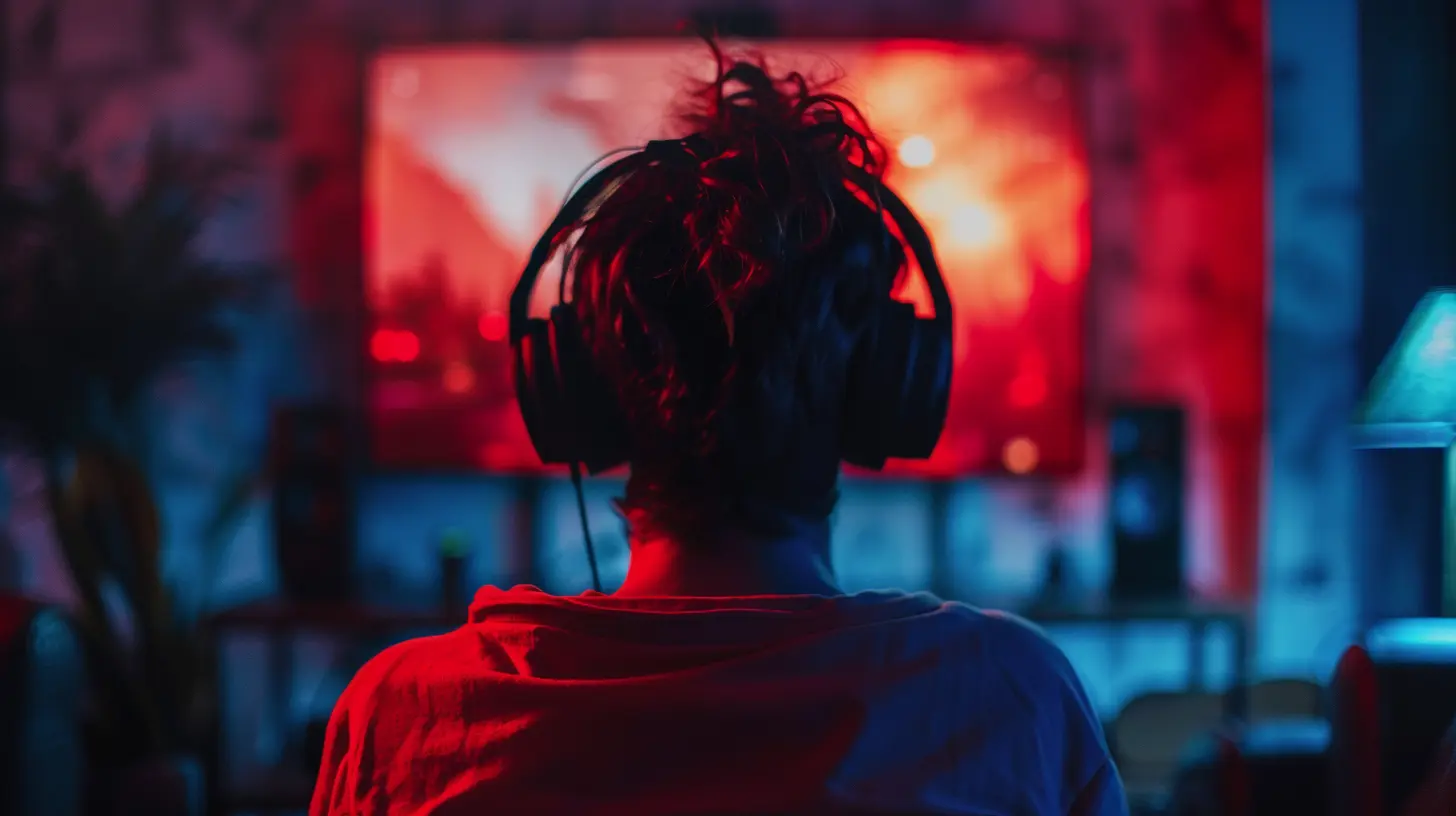
Gaming Is Not the Enemy (Here’s Proof)
Let’s flip the script: games can actually be amazing for your mental health. Don’t believe it? Look at this:? Stress Relief
Playing games can lower cortisol levels (your stress hormone). That’s right—gaming can literally chill out your nervous system. Who knew slaying dragons could be that healthy?? Cognitive Benefits
Strategy games, puzzle titles, and RPGs boost critical thinking, problem-solving, and memory. Games like Portal or Civilization aren’t just fun—they’re brain gyms.? Social Connection
Multiplayer games like Fortnite, Valorant, or even cozy Discord servers create real friendships. Especially in isolated times, like during a pandemic, gaming kept people connected.Gaming doesn’t make you lazy. It means you’ve found a hobby that stimulates your mind, brings joy, and helps you unwind. Just like reading or playing guitar.
How to Manage Gamer Guilt and Game with Intention
Okay, now to the good stuff. No, we’re not going to tell you to quit gaming or treat it like a reward (unless you want to). Instead, let’s find ways to enjoy games without the guilt trip.1. Reframe the Way You Think About Gaming
Start by shifting your mindset. Gaming is not inherently bad or wasteful—it’s a form of entertainment, art, and connection. Instead of seeing it as “lost time,” view it as time well spent on relaxation, enjoyment, and creativity.Would you feel guilty for watching a movie or reading a book for hours? Probably not. So why single out games?
2. Set Reasonable Play Limits (That Actually Work)
Instead of strict bans or guilt-fueled detoxes, build a flexible routine. Maybe you game for 2 hours after dinner, or on weekends after errands. Use timers if you tend to lose track. Stick to what feels healthy for you—not what a productivity guru tells you.Pro tip: Schedule time for gaming just like any other hobby. That way, it’s accounted for and intentional—not impulsive.
3. Balance Game Time with Other Joys
Gaming shouldn’t come at the cost of everything else you enjoy. Love going for walks? Play your favorite soundtrack during it. Want to hang with friends? Combine it with co-op gaming. Keep variety in your downtime, so gaming isn’t your only outlet.4. Check In With Yourself Emotionally
Ask yourself: Why am I playing right now? Am I trying to escape something? Am I procrastinating?If gaming feels like it's covering up stress, anxiety, or loneliness, it’s okay—but recognize it. That awareness is half the battle.
5. Don’t Let Others Guilt-Trip You
Seriously—stop giving people space to shame your hobby. If someone doesn’t get why you love gaming, that’s on them. As long as you’re maintaining balance and responsibilities, you owe no explanations or apologies.Want to pull a comeback line? Try: “You binge Netflix, I binge Elden Ring. To each their own.”
6. Take Breaks—but Not Out of Shame
Pauses are healthy, but don’t punish yourself with game bans because you’re feeling guilty. That usually backfires. Instead, take breaks as part of your routine. Stretch, hydrate, talk to a friend, touch grass (literally or figuratively).The Role of Mental Health in Gaming
Let’s get a little deeper. Mental health is tied into everything—but especially how you experience guilt and pleasure.If you’re struggling with anxiety, depression, ADHD, or burnout, you might find games incredibly comforting. That’s valid. But it also means you should be generous with yourself—because sometimes, guilt comes from internalized ideas of how we “should” be functioning.
Gaming doesn’t cause those feelings. It often reveals what you’re already carrying. And that’s where therapy, support groups, or even just honest conversations come in.
There’s no shame in leaning on gaming to cope—but also no shame in seeking help when it’s not enough.
When Gaming Becomes a Problem (And What to Do)
Okay, cards on the table. Sometimes, gaming does become an issue. If it’s impacting work, relationships, or your health, it’s worth stepping back and making a plan.Ask yourself:
- Am I using gaming to ignore real-life problems?
- Do I feel in control of when and why I play?
- Am I okay emotionally when I’m not playing?
If the answers feel off, it’s okay to talk to a mental health professional. There’s zero shame in it. The goal isn’t to quit gaming—it’s to regain balance.
And hey—some incredible therapists specialize in helping gamers. You don’t have to go it alone.
Practical Tips to Stay Mentally Healthy as a Gamer
Let’s round this out with some actionable stuff. Here’s how to keep your head straight while still dominating in your favorite game:✅ Create a Daily Routine
Structure helps. Plan meals, work, social stuff, chores—and yes, gaming. It prevents impulsive marathons and makes sure you're not neglecting the other parts of life.✅ Nourish Your Body Too
Gaming snacks are cool, but your brain runs best on real fuel—hydration, sleep, and movement. Think of it like maintaining your in-game stats in real life.✅ Use Gaming as a Reward, Not an Escape Hatch
It’s the dessert, not the medicine. After work? Game on. Crushing it at school? You earned that raid. Changing how you approach gaming can completely shift your guilt levels.✅ Log Your Gaming Sessions
Not forever—just a week or two. You’ll start seeing patterns. Are you gaming more when you’re stressed? Is it always late at night? Awareness breeds change.In Conclusion: You’re Not a “Bad” Person for Loving Games
You love games. That’s nothing to be ashamed of. You’re not lazy. You’re not broken. You’re human.Managing gamer guilt isn’t about cutting out gaming—it’s about embracing it in a way that adds joy to your life without replacing the important stuff. You can respect your mental health and still sink 400 hours into Baldur’s Gate 3.
So give yourself some grace. Look at your life holistically. Balance the pixels with purpose. And remember: you don’t need to feel guilty for doing something that makes you happy.
Game on—mindfully.
all images in this post were generated using AI tools
Category:
Gaming And Mental HealthAuthor:

Whitman Adams
Discussion
rate this article
1 comments
Clara Moses
It's crucial to balance gaming with mental health. Recognizing when guilt arises can lead to healthier habits. Prioritizing well-being fosters a more enjoyable gaming experience and a fulfilling life.
May 27, 2026 at 2:46 PM
Whitman Adams
Absolutely, finding that balance is key. Being mindful of our feelings can really enhance both our gaming and overall well-being.