Protecting the Realm: Themes of Duty and Sacrifice in Fantasy RPGs
15 February 2026
If there's one thing fantasy RPGs (role-playing games) have mastered, it’s the way they tug at our heartstrings while throwing us into a whirlwind of epic battles, mystical worlds, and gripping story arcs. But among the fierce dragon-slaying and treasure-hunting, one theme consistently stands out: duty and sacrifice. It’s the backbone of some of the most unforgettable RPG narratives, pushing both heroes and players to confront deep moral questions. Why do these themes resonate so deeply with us? What makes them so integral to the genre? Let’s dive into the magic of it all.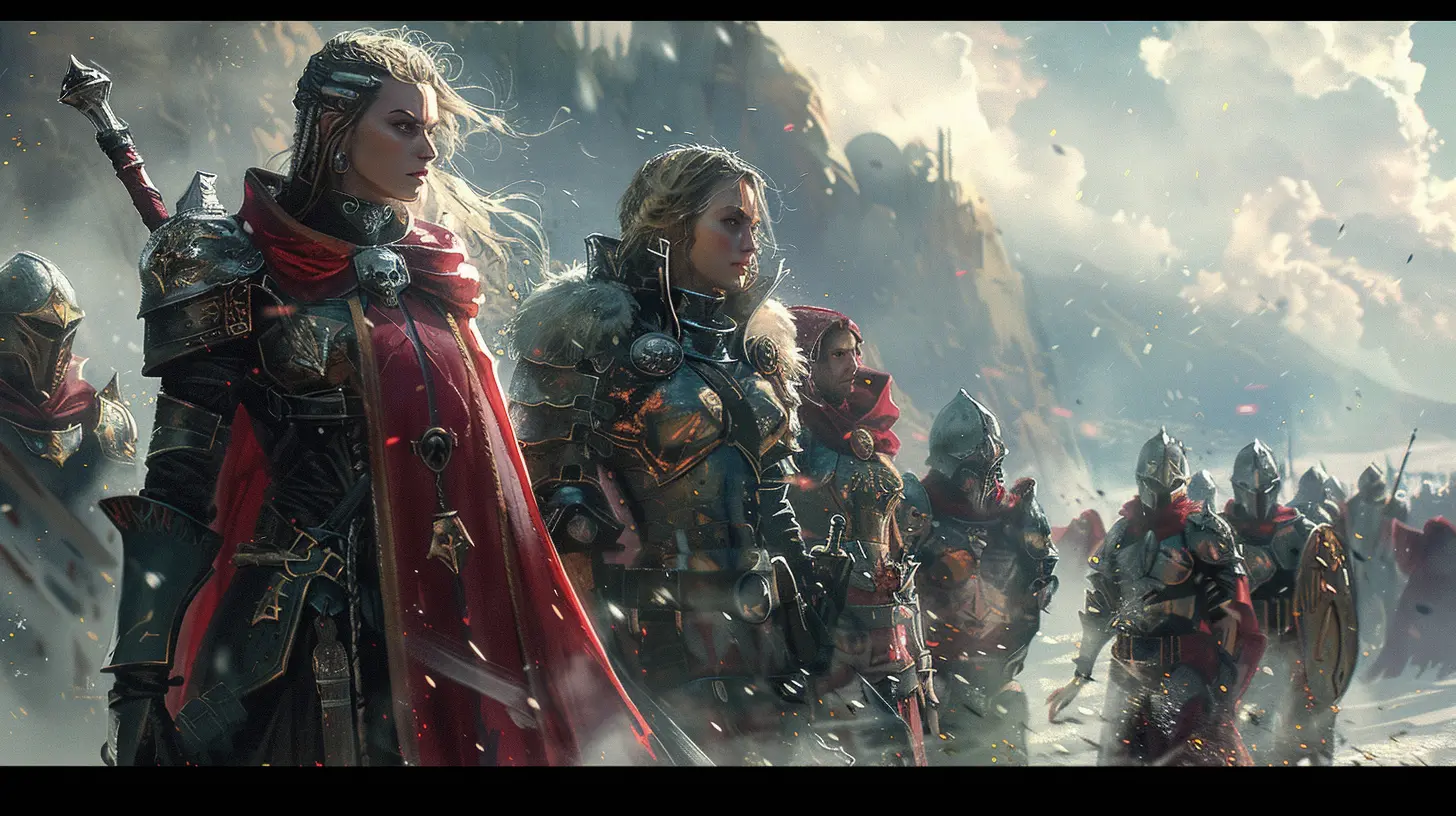
The Weight of the World (Literally)
Ah, the classic chosen-one trope. If you've played even one fantasy RPG, you've probably been tasked with saving the world at some point. Whether you’re wielding a magical sword or commanding armies, the protagonist often bears an overwhelming sense of duty. Take games like The Elder Scrolls V: Skyrim or Dragon Age: Inquisition. In these worlds, you’re not just anyone; you’re the one.But here’s the catch—duty isn’t just a badge of honor, it's a burden. It’s the pressure of knowing lives, kingdoms, and even entire worlds hang in the balance. The game throws you into the shoes of a reluctant hero who must face what feels like an impossible task. Sacrifices—whether physical, emotional, or moral—inevitably follow. And for the player? That’s where the emotional connection happens.
Think about it: Why do so many RPGs feature long, winding stories of self-discovery and sacrifice? Because we all relate to feeling overwhelmed, torn between what we want for ourselves and what’s expected of us. It’s the classic “with great power comes great responsibility” philosophy, and fantasy RPGs absolutely nail it.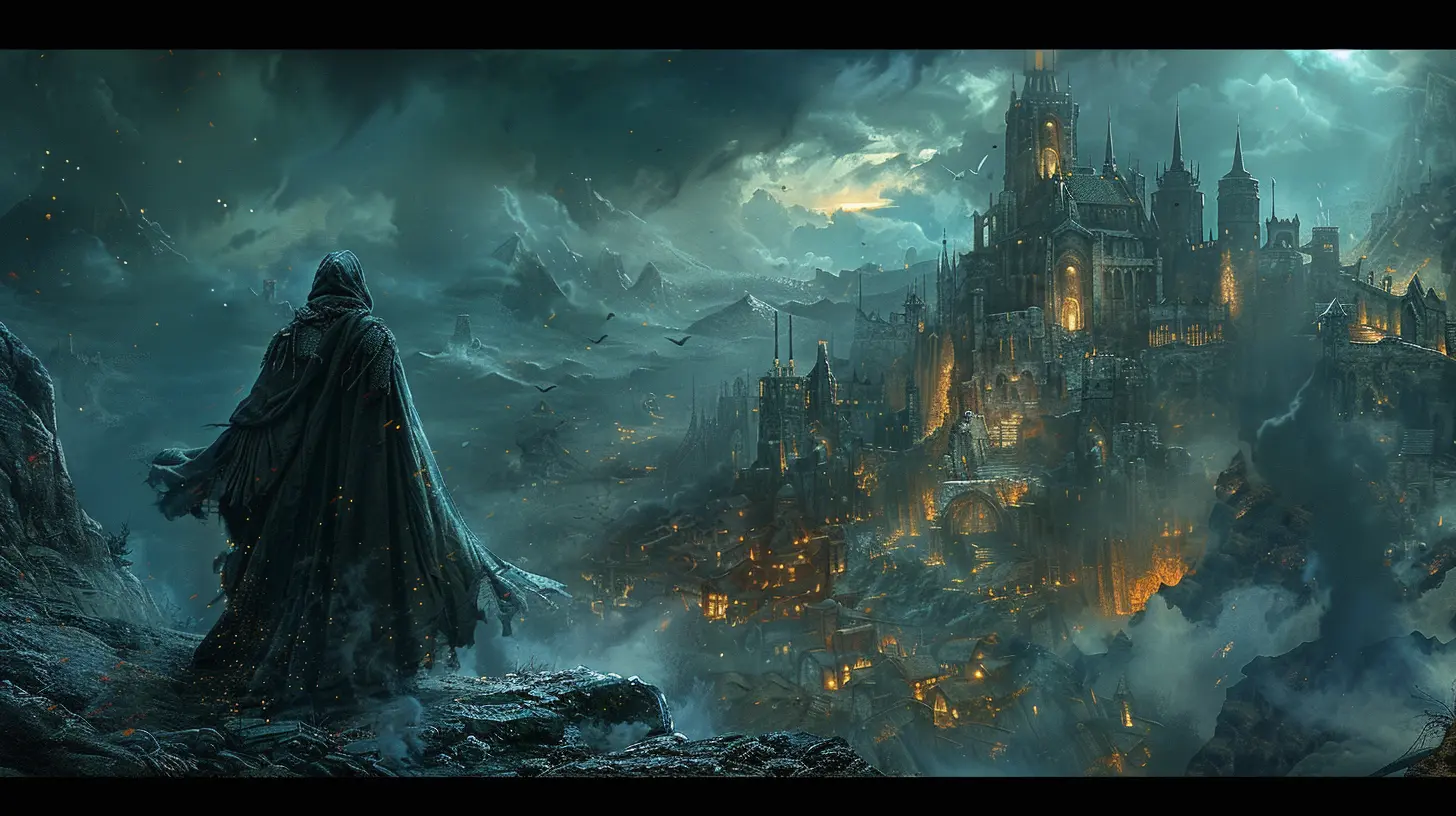
Sacrifice: The Heart of Heroism
What truly separates a good RPG from a great one? The way it forces you to make hard choices. The concept of sacrifice in fantasy RPGs is often emotional. Developers love to throw you into moral dilemmas where no option feels like a "win."Take The Witcher 3: Wild Hunt, for instance. Geralt, the iconic monster hunter, constantly faces sacrifices. Whether it's betraying an ally, deciding the fate of entire populations, or letting a loved one go for the greater good—there’s always something at stake. And the genius lies in how these choices impact the game's world. You feel the weight of your decisions, and that lingering regret? It’s part of the journey.
Then there’s Mass Effect (technically not fantasy, but hey, hear me out—it’s still an RPG masterpiece). The final moments of the trilogy ask you to make a jaw-dropping sacrifice, one that shapes the fate of humanity and alien species alike. These moments stick with players because they’re not just decisions—they’re tests of character. Would you give up everything for people you don’t even know? That’s the kind of existential question that makes RPGs so memorable.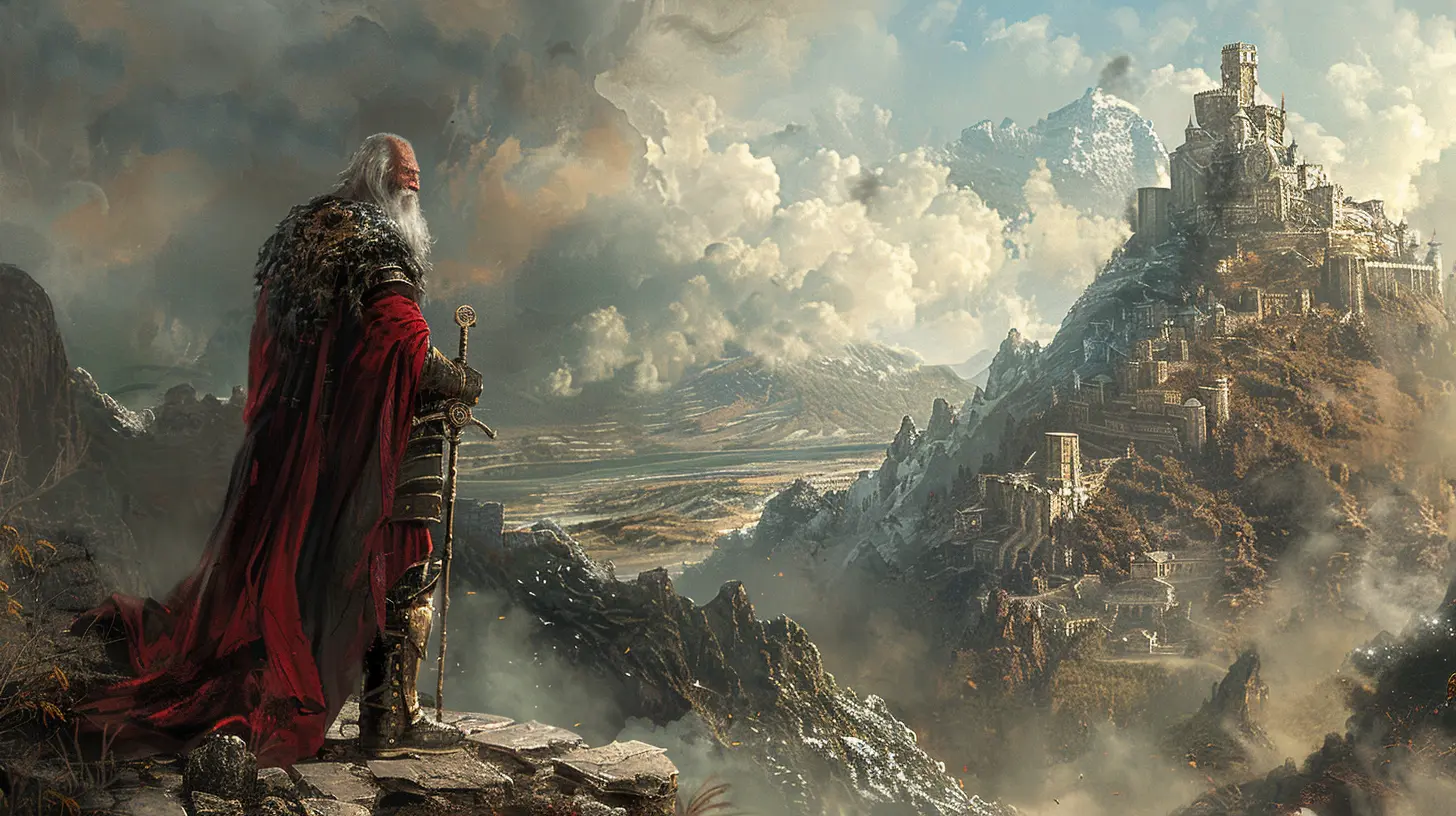
Duty as a Double-Edged Sword
Ever notice how duty in RPGs is rarely straightforward? Sure, protecting the realm sounds noble enough, but it’s often portrayed as a complex and sometimes downright messy responsibility. One game that excels at this is Final Fantasy XV. You play as Noctis, a prince with the monumental duty of reclaiming his kingdom and saving his people. Sounds standard, right? Not quite.Noctis’s journey is filled with personal loss and relentless sacrifice. While he's technically a hero, there’s this constant tension between his duty to his friends (his beloved "bro squad") and his obligation to fulfill his destiny. It’s heartbreaking, and by the end of the game, you’re left questioning whether the crown was even worth the cost.
This idea of blurred lines between right and wrong is also central to Divinity: Original Sin 2. As you progress, you constantly weigh your duty to the world against personal desires or allegiances. The stakes feel real, and you can’t help but wonder: Is duty truly selfless, or does it come at the expense of individual freedom? Heavy stuff, I know.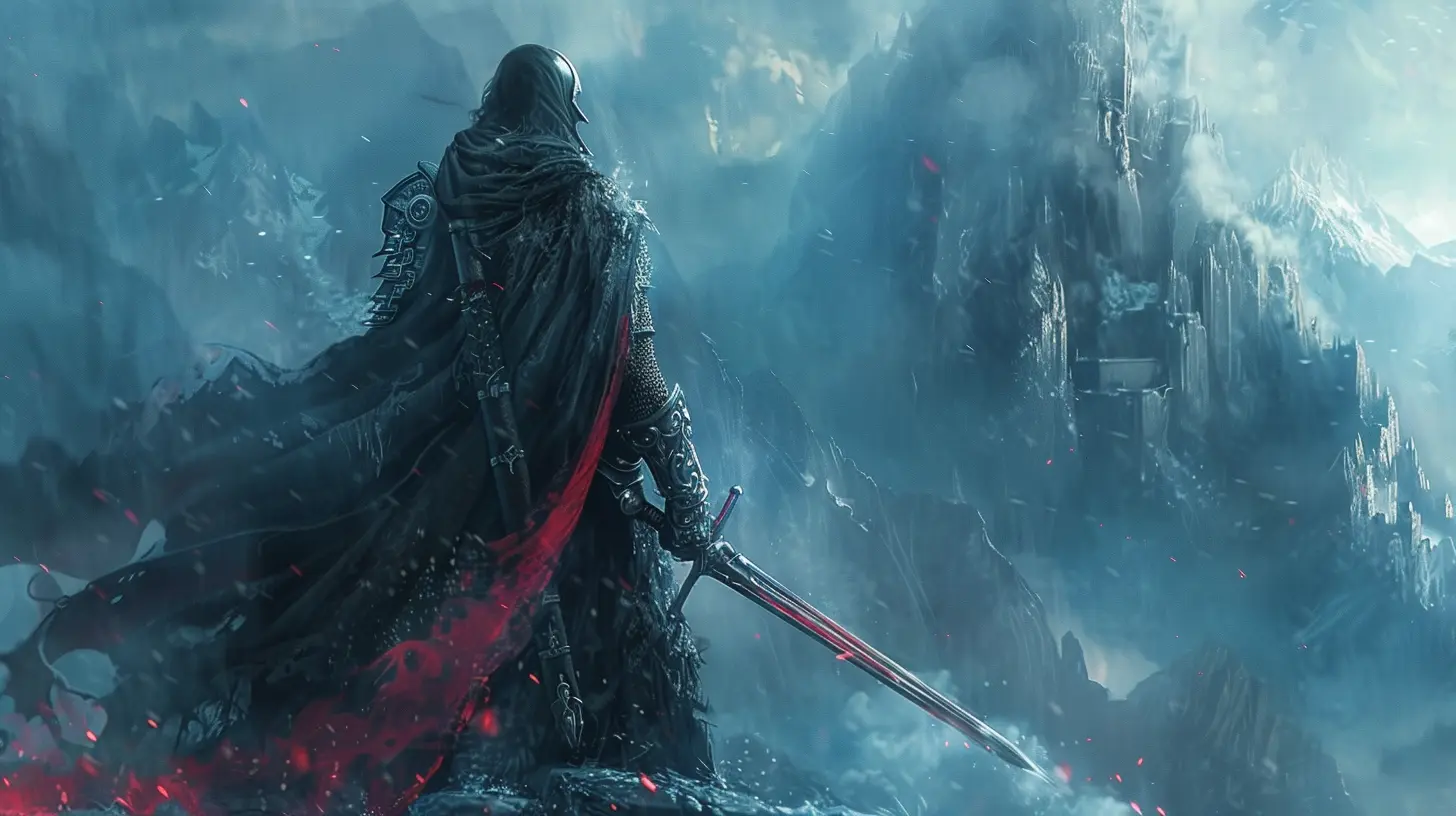
Why Sacrifice Resonates With Players
You know what’s funny? Despite all the emotional torment, we keep coming back for more. Why? Because sacrifice is inherently human. Whether it’s giving up a dream job to support your family or putting others’ needs before your own, we all experience moments of selflessness in real life. Fantasy RPGs turn those real-world concepts into larger-than-life dilemmas, making them easier to explore and digest.Let’s not forget the emotional payoff. That gut-punch moment when your favorite character sacrifices themselves (I’m looking at you, Aerith from Final Fantasy VII)? It hurts because you care. Sacrifice gives depth to characters and adds layers to the story. Without it, would we even be as invested in these worlds?
The Role of Companions
Let’s give a shoutout to the companions because, honestly, RPGs wouldn’t be the same without them. In games like Dragon Age and Baldur's Gate 3, your party members aren’t just background characters—they’re fully fleshed-out individuals with their own struggles, loyalties, and sacrifices.Ever had a companion sacrifice themselves to save you? That moment when a character like Alistair (Dragon Age: Origins) or Mordin (Mass Effect) chooses duty over personal safety is a gut-wrenching reminder of what’s at stake. It also raises the bar, forcing you as the player to think, What would I do in their shoes?
Their sacrifices amplify the overarching themes of the game. They remind you that protecting the realm isn’t a solo endeavor—it’s a collective effort. And this camaraderie? It’s what makes those sacrifices hit so hard.
The Player's Role in Duty and Sacrifice
Here’s where things get meta. In fantasy RPGs, you are the decision-maker. Sure, the protagonist has a sense of duty, but let’s not overlook the sacrifices players make. Think about the ten or twenty (or let’s be real—100) hours you pour into these games. You’re sacrificing your time, emotions, and maybe even some sleep for the sake of seeing the story through.And don’t forget those morally tough choices. Some players deliberately roleplay as selfish anti-heroes, while others will do anything to choose the "greater good" option. The beauty lies in the fact that your decisions feel real. Depending on your choices, the realm’s fate could shift entirely. It’s a dance between personal desire and obligation—and that’s just as much about you as it is about the protagonist.
Sacrifice as a Storytelling Mechanism
At its core, sacrifice is the engine driving fantasy RPGs. Without it, the stakes wouldn’t feel as high, and the journey wouldn’t be as meaningful. Whether it's laying down your life for a friend, giving up a chance at happiness for duty, or reckoning with the consequences of your actions, these moments make RPGs unforgettable. They’re a reminder that greatness comes at a cost—and honestly, that's what makes them so compelling.No one plays these games just for the loot or flashy spells (okay, maybe a little). We play because we want to feel something. We want to be tested, challenged, and even hurt in a weirdly cathartic way. That’s the magic of duty and sacrifice—it taps into something universal.
Conclusion
When it comes to fantasy RPGs, themes of duty and sacrifice aren't just narrative devices—they’re the lifeblood of the genre. They deepen our connection to the characters, enrich the story, and make the stakes feel real. Whether you're standing at the gates of a besieged kingdom or choosing between two impossible options, you’re reminded that heroism always comes with a cost. And honestly? That’s what makes these games so addictive.So next time you’re knee-deep in an RPG and agonizing over a tough decision, just remember: it’s not just a game—it’s a mirror reflecting what it means to be human.
all images in this post were generated using AI tools
Category:
Fantasy RpgsAuthor:

Whitman Adams
Discussion
rate this article
2 comments
Victor Bennett
Embrace duty, honor sacrifice—forge your legend in every quest!
February 21, 2026 at 3:31 AM
Whitman Adams
Absolutely! Duty and sacrifice are at the heart of every great adventure. They shape our heroes and create unforgettable legends.
Hudson Rodriguez
This article beautifully explores how duty and sacrifice shape characters in fantasy RPGs, highlighting their emotional depth and the impactful choices that define these epic journeys.
February 18, 2026 at 4:45 PM
Whitman Adams
Thank you for your insightful comment! I'm glad you appreciated the exploration of duty and sacrifice in fantasy RPGs and their impact on character development.