The Ethics of Monetizing Game Remakes
16 April 2026
Let’s talk about something that’s been bugging a lot of us in the gaming community lately — game remakes, and more importantly, how game developers and publishers monetize them. From legendary RPGs getting a shiny new coat of paint to long-forgotten platformers clawing their way back into the spotlight, remakes are becoming a massive part of the gaming industry. But here's the million-dollar question: Should companies be cashing in on our nostalgia, or is it a perfectly fair trade?
Alright, grab your favorite snack, kick back in your gamer chair, and let’s dig deep into the ethics behind this growing trend.
Nostalgia or Nuisance? Why Game Remakes Exist
We’ve all been there. You hear that one of your childhood favorites is getting a full remake and suddenly you’re 10 years old again, clutching a grubby controller and battling low-res bosses. The flood of memories hits hard—and game companies know it.Game remakes are basically the comfort food of the gaming world. They're warm, familiar, and packed with sentimental value. Developers remake games for several reasons:
- The original game's mechanics or visuals are outdated.
- There's a whole new generation that missed the original.
- The community is begging for it.
- A remake is a relatively safer financial bet.
But let’s be real—those warm fuzzy feelings? They’re also prime real estate for monetization.
Show Me the Money: How Devs Monetize Remakes
Most game remakes don’t come cheap. Some are sold at full AAA pricing, while others throw in special editions, season passes, extra skins, and of course—pre-order bonuses. Sneaky, right?Here are the main ways companies cash in on remakes:
? Full-Price Re-Releases
You've seen it. A game released 15 years ago is now back on shelves at full price—but with 4K graphics this time. Should a game that’s already had its moment in the sun really be raking in $70 all over again?? Microtransactions & Season Passes
Some remakes go beyond a simple facelift and turn into live-service monsters, loading up with microtransactions and battle passes. "Want original soundtrack skins? That'll be $9.99 buddy."?Exclusive Pre-Order Packs
You know the drill. Pre-order now to get that iconic sword skin you loved from the 2003 version. But if you wait? Tough luck. Now you’ve gotta buy the Deluxe Deluxe Edition™ for an extra $20.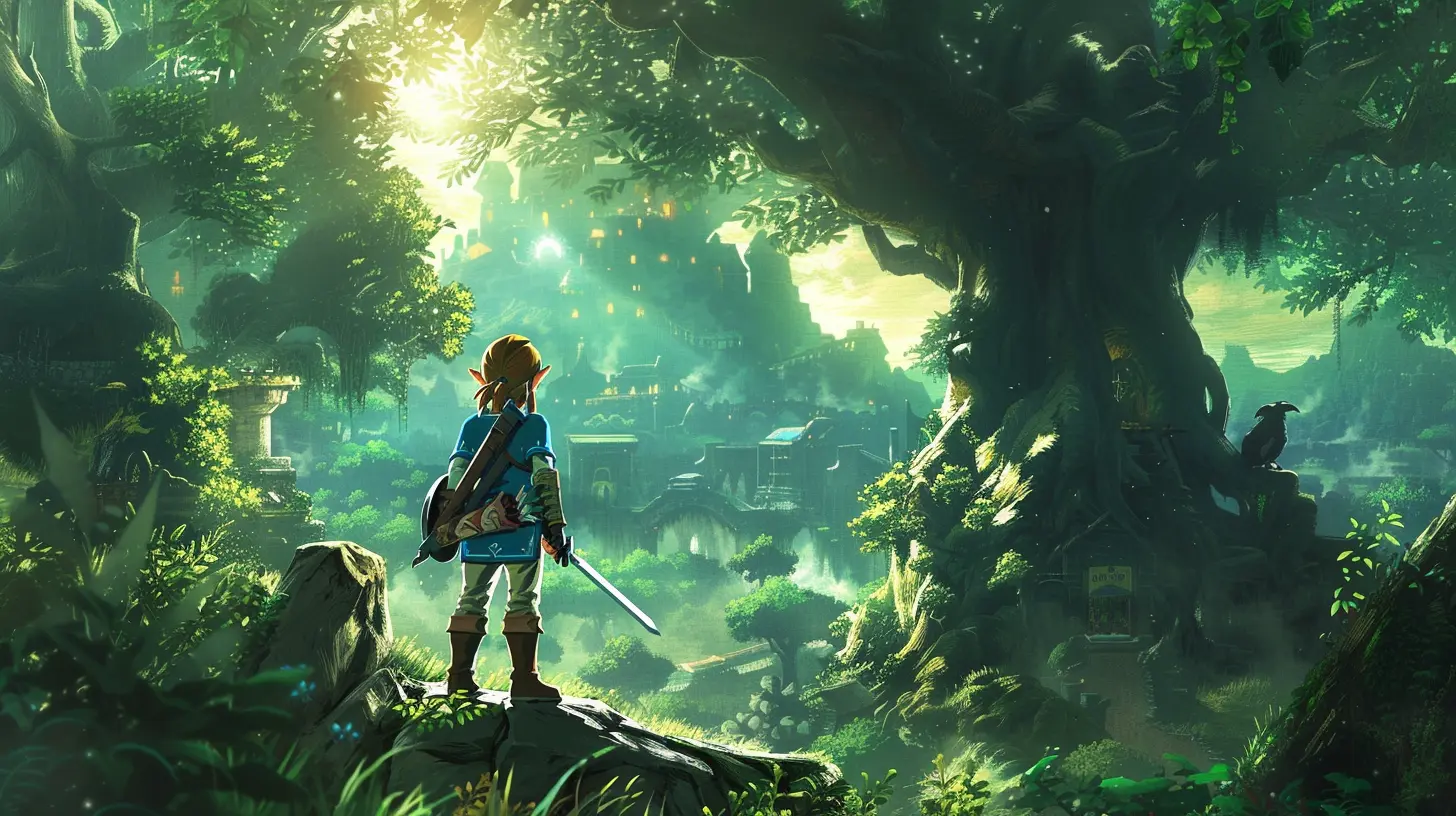
The Good, the Bad, and the Greedy
To be fair, not all game remakes are cash-grabs. Some are genuinely passionate projects by developers who want to honor the original game while making it accessible for new players. But with great power (a.k.a. nostalgia) comes great responsibility. Let’s break it down.✅ The Good: When Remakes Are Worth It
Some remakes go above and beyond. Think “Final Fantasy VII Remake” or “Resident Evil 2.” These aren’t just upscales—they’re reimaginings. New content, improved controls, better story pacing… it's almost like playing a brand new game.In cases like these, paying a premium feels a bit more justified. You're not just replaying an old gem—you’re getting an entirely fresh experience that respects the legacy of the original.
❌ The Bad: When It’s Just Lazy
Then there are the remakes that just slap on some HD filters, call it a day, and ship it out for $60. No bug fixes, no new features, nada. It’s like reheating day-old pizza and saying it’s a gourmet meal.Gamers aren’t stupid—we can smell low-effort projects from a mile away. And when companies use nostalgia as a lazy cash grab, it’s not only disappointing—it’s disrespectful.
? The Greedy: Monetizing Beyond the Game
Let’s not forget the added monetization layers. In-game purchases, locked content, exclusive versions depending on which retailer you buy from... it starts to feel like you’re being nickel-and-dimed for something you already paid for years ago.Remakes ought to feel like a celebration, not a shake-down.
So… Is It Ethical?
Okay, here’s where things get a little gray. Is it unethical to sell a remake at full price? Not necessarily. Developers have bills too, and remakes aren’t free to make. Art assets need reworking, new voice actors may be hired, and modern platforms require totally different frameworks.But ethics go out the window when:
- The remake adds no meaningful value.
- Content is deliberately cut to be sold later.
- Nostalgia is exploited to push microtransactions.
- Players are misled about the game’s improvement.
It boils down to intent. If the intentions behind the remake are to bring joy and revive a classic with love and care, go ahead—take my money. But if it's just to milk a franchise one more time without effort or passion? Nah, hard pass.
What Gamers Think: The Voice of the Community
Gamers are louder than ever. Reddit threads, Twitter rants, YouTube analyses—if a remake is shady, you’re gonna hear about it.Here’s a sample of what the community generally feels:
- ? "If it's a faithful, polished remake with new features? Worth every penny."
- ? "Stop selling me the same game again and again without ANY improvements."
- ? “Why am I paying $70 for a game that came out before I was born?”
There’s a growing call for transparency, fair pricing, and effort. And honestly? That's reasonable.
Remake Done Right: Examples We Love
Here are some game remakes that actually got it right:? Resident Evil 2 Remake
This is the textbook example of how to remake a classic. Capcom didn’t just dust off the original—they rebuilt it in a new engine, overhauled the gameplay, modernized the horror, and respected the source material. Result? Gamers went wild.⚔️ Final Fantasy VII Remake
Not just a remake, but almost a reimagining. Square Enix retained all the magic but added depth, complexities, and jaw-dropping visuals. It wasn’t perfect, but it showed love and effort.? Tony Hawk’s Pro Skater 1 + 2
Nostalgia hits hard with this one. Refined mechanics, polished visuals, OG soundtrack—this was a nostalgia trip done with style and care.Remake Gone Wrong: When It Misses the Mark
Unfortunately, not everyone nails it.? Warcraft III: Reforged
Yikes. Missing features, bugs galore, and they even replaced the classic version with the broken one. Blizzard fans weren’t just disappointed—they were furious.? Grand Theft Auto: The Trilogy – The Definitive Edition
With broken visuals, performance issues, and a bunch of missing content, this was a masterclass in how not to do a remake. Did they even test it before launch?What Should Change? Ethical Guidelines for Game Remakes
Let’s be idealists for a second. If we could set the rules, how would ethical remakes look?✅ Transparent Marketing
No more vague trailers. Show what’s new, what’s improved, and what we’re paying for. If it’s just a visual clean-up, say so.✅ Reasonable Pricing
Sure, if you've rebuilt the game from scratch, ask for a premium. But if it’s a simple port or remaster? Maybe dial it down a notch.✅ No Artificial FOMO
Stop gating certain skins or add-ons behind pre-orders or day-one DLCs. It’s icky and unfair.✅ Reward Longtime Fans
Offer discounts to players who already own previous versions. Maybe throw in some unique in-game items or early access moments.The Final Save Point: Should You Buy That Remake?
Only you can answer that. But here’s a simple checklist:- ? Does it add enough value to be worth the price?
- ❤️ Was it made with care and respect for the original?
- ? Are you paying once, or getting nickel-and-dimed?
- ? Does it feel like a new experience, not just the same old game?
If it's "yes" to most of those, then go ahead—load up that remake and enjoy the ride. But if it feels like a cash grab wrapped in a nostalgia blanket, maybe hit pause.
Final Thoughts
The ethics of monetizing game remakes is a tricky subject. It walks the line between honoring the past and exploiting it. When done right, remakes are an incredible way to breathe new life into classics and bring them to a whole new audience. But when done wrong, they feel like someone’s selling you your childhood back—at double the price.Gamers aren’t asking for the world. Just honest pricing, solid effort, and respect for something we hold dear. That’s not too much, is it?
all images in this post were generated using AI tools
Category:
Game RemakesAuthor:

Whitman Adams
Discussion
rate this article
2 comments
Desiree Kelly
Game remakes: a nostalgic treasure chest or a greedy goblin's lair? Let’s debate whether pixel polishing deserves a pocketful of coins or just a heartfelt hug!
April 19, 2026 at 3:58 AM
Whitman Adams
Game remakes can be both—celebrating nostalgia while also raising questions about profit motives. It's essential to balance appreciation for classics with fair practices for creators.
Felicity McGovern
Monetizing game remakes raises ethical concerns about nostalgia exploitation, creator rights, and player expectations. Balancing profit with integrity is essential to maintain trust in the gaming community.
April 18, 2026 at 4:11 PM
Whitman Adams
You raise important points. Balancing nostalgia with fair practices is crucial. It's vital to respect original creators and keep player trust intact.