Unexpected Lessons Learned from Video Games
30 May 2026
When most people think about video games, they picture high-octane action, fantastical worlds, and maybe a few late nights spent grinding for loot. But there's more to gaming than just fun and entertainment. Beneath the surface of boss battles, pixelated quests, and multiplayer mayhem, video games quietly teach us some pretty powerful life lessons.
Think about it: How many times have you learned patience from that one impossible level? Or developed problem-solving skills by figuring out a puzzle that had you stuck for hours? It’s easy to overlook, but video games are low-key masterclasses in real-world lessons. So let's dive into some of the most unexpected lessons video games have taught us—without even realizing it.
1. Failure Isn't the End—It's Part of the Process
Ever died 97 times in the same Dark Souls boss fight? Same. But here’s the twist: video games normalize failure in a way that life rarely does.In games, we fail constantly. We lose, restart, die, and repeat. But we keep going. Because in gaming, failure isn’t shameful—it’s part of the process. Every loss gives us more insight. We learn enemy patterns, refine our strategy, and come back stronger each time.
Now imagine if we applied that mindset to real life. What if failing a job interview or messing up a project wasn’t the end—but just "level one" of getting better?
Lesson: Failure equals feedback, not defeat.
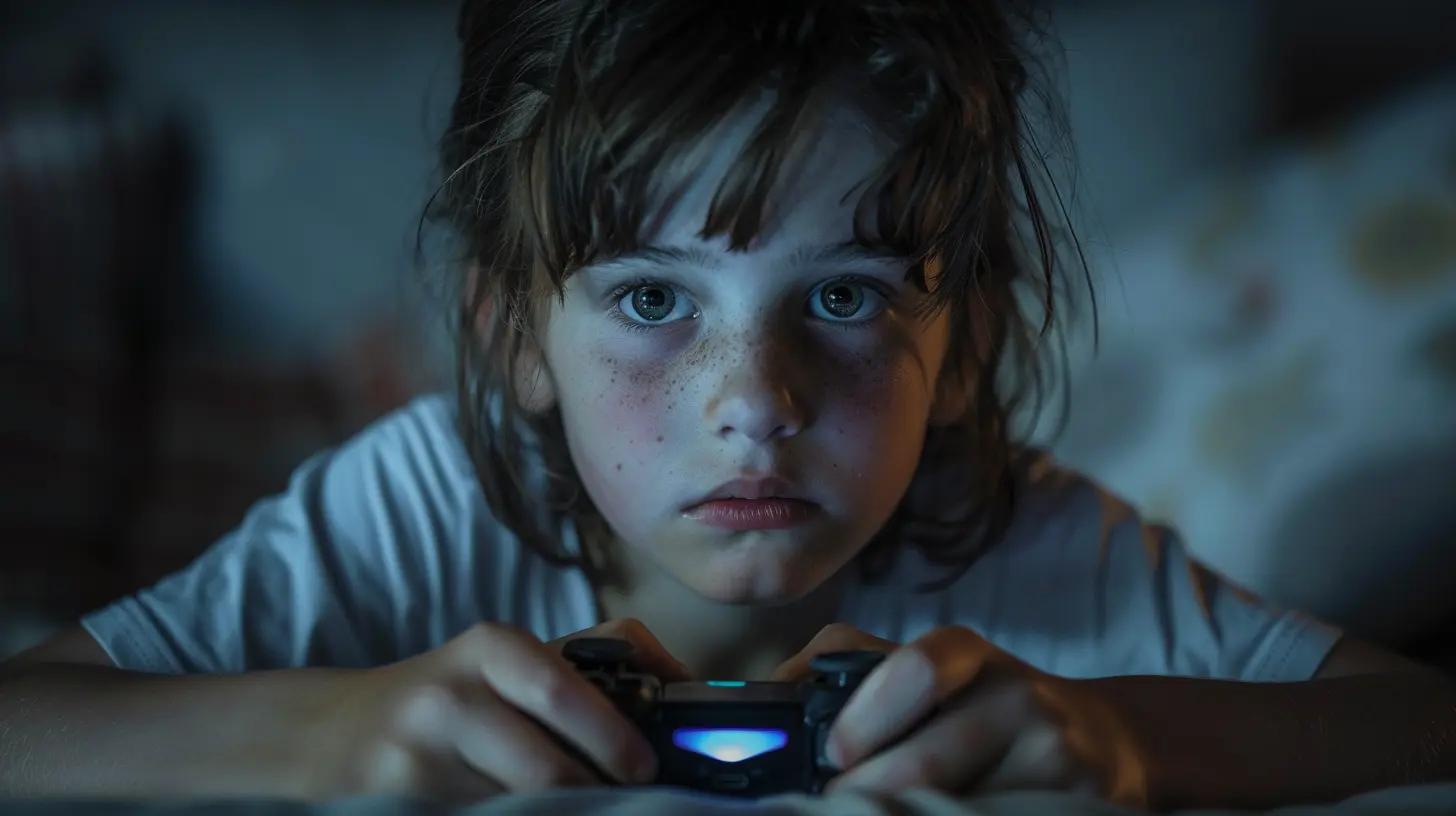
2. Persistence Really Does Pay Off
Some games are built on grind. (Looking at you, MMORPGs.)Whether it’s farming rare materials, leveling up until your character is strong enough to take on that final dungeon, or trying to collect every single item—persistence is the name of the game.
In real life, things rarely come instantly, either. Patience, discipline, and consistency—the same things you use in games—are also the traits people use to build businesses, get in shape, or master a skill.
Lesson: Keep showing up, even when progress feels slow.

3. Critical Thinking and Decision-Making Are Vital
Let’s talk strategy. Have you ever played a game where you had to manage resources, make meaningful choices, or chart out multiple action paths?Strategy games like Civilization or even action RPGs like The Witcher force players to weigh consequences, manage limited resources, and think several steps ahead. The wrong decision can lead to a crumbling empire or a botched questline.
This level of critical thinking mirrors real-life choices. Whether it's managing money, making career decisions, or handling relationships—sometimes you have to think strategically.
Lesson: Think with your head, not just your heart.
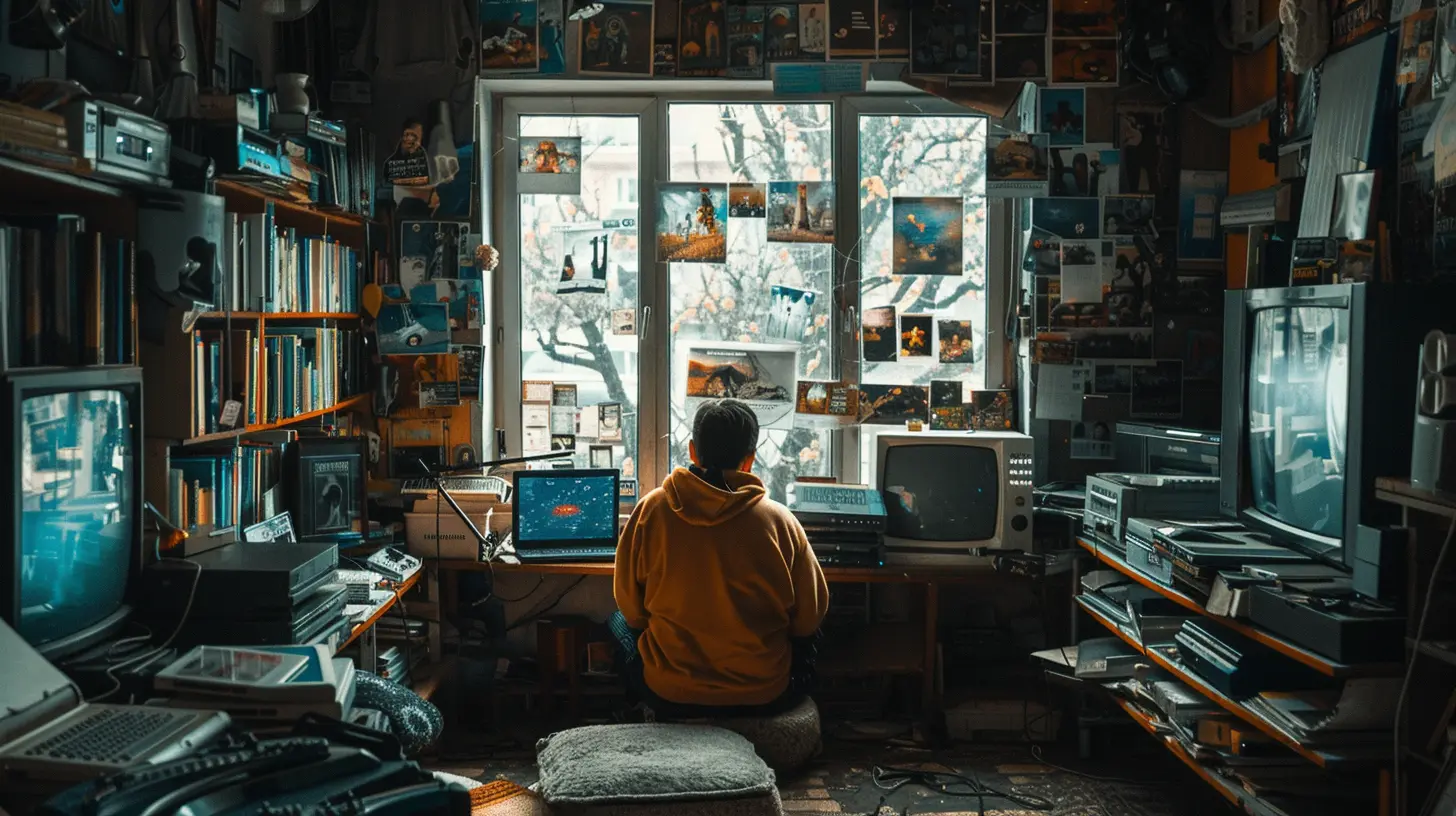
4. Teamwork Makes the Dream Work
Multiplayer games like Overwatch, League of Legends, or Apex Legends don’t just reward individual flair. They shine when teammates communicate, sync their moves, and cover each other's backs.Even in casual co-op games, if you're playing with someone else, you learn to coordinate, listen, and support. In other words—you learn teamwork.
And that skill? It’s gold in the real world. Whether you're part of a sports team, a startup, or even just splitting household chores, working with others is a non-negotiable part of adulting.
Lesson: Success tastes better when shared.
5. Adaptability is Everything
Remember your first time playing a game with a super open world, like Skyrim or Breath of the Wild? You probably had a plan… and then the game happened. A dragon attack here, a side-quest there, and suddenly your perfectly organized objective list became a chaotic mess.Games teach us to adapt. Plans fail, unexpected things pop up, and flexibility becomes a survival skill. That’s life, too. Even the best-laid plans often need tweaking.
Lesson: Stay flexible—life, like games, is full of surprises.
6. Communication is More Than Talking
You know what’s frustrating? A teammate who runs off without saying anything. In online multiplayer games, communication is a big deal—whether it's using voice chat, quick commands, or strategic pings.Over time, you start to realize good communication isn’t just words. It’s clarity. It’s listening. It’s timing. That’s a skill not just for the gaming world—but for relationships, friendships, and careers.
Lesson: Say what you mean, and mean what you say.
7. Empathy Can Come From Pixels
Sure, not every game is trying to tug at your heartstrings. But then you play something like Life is Strange, The Last of Us, or even Undertale—and man, those emotions hit hard.Video games let us step into someone else’s shoes—sometimes literally. We feel characters’ struggles, connect with their stories, and understand perspectives far removed from our own lives.
That breeds empathy. And in today’s world? Honestly, we could use more of that.
Lesson: Everyone has a story—and games help us listen.
8. Multitasking and Mental Agility Get a Workout
Ever tried building a base in StarCraft while defending it from an attack and researching new tech simultaneously? It’s like mental gymnastics with a ticking clock.Video games often demand multitasking, just like modern life. Juggling work, school, social life, side hustles? It’s the same idea, just with higher stakes and less loot.
Gaming sharpens those cognitive skills, boosting reaction time, decision-making, and memory. Who knew that your weekend hobby might just be brain training on the sly?
Lesson: Your brain is like a muscle—keep it active.
9. Resource Management Isn't Just For Gamers
In survival games like Minecraft, Rust, or Don't Starve, managing your resources determines how long you last. Run out of food? Game over. Waste your materials? You'll regret it later.Surprisingly, these games teach us something very practical: the value of resources and proper planning. Whether it’s budgeting, managing time, or organizing priorities, these are the same skills adults pay for in life coaching programs.
Lesson: Don't spend all your potions (or money) in one place.
10. Creative Problem-Solving is a Superpower
Puzzle games, sandbox environments, and even glitches open the door to wild, out-of-the-box thinking. In Portal, for example, your only tool is a portal gun—but with it, the possibilities are endless if your brain is flexible enough.Games give you frameworks and rules, and then let you break those rules creatively (or at least bend them). That kind of freedom is rare in structured environments like school or work.
But creativity is power. It helps you solve problems no one else can, think differently, and innovate in all the spaces you move through.
Lesson: The best solutions are rarely the obvious ones.
11. Goal Setting Comes Naturally to Gamers
Every game has objectives, whether it’s “rescue the princess” or “reach level 99.” And even side-quests feed into this structure. Gamers are basically goal-setting machines.This mindset easily transfers into real life. Want to learn a new language? Build a workout habit? Start a side gig? Break it down into short-term goals, just like in a game.
Suddenly, that big, intimidating thing becomes a clear quest with checkpoints, rewards, and momentum.
Lesson: Life’s just one massive open-world RPG with side-quests.
12. Leadership Can Come From the Unlikeliest Places
In team-based games, it’s not always the loudest or most skilled player who leads. Sometimes, it's the one who keeps morale high, makes smart calls, or helps newbies learn the ropes.Leadership in games is nuanced—and that’s true in life too. It’s not just about telling people what to do; it’s about guiding, uplifting, and setting the tone.
You’d be surprised how many great leaders got their start managing guilds or leading raids.
Lesson: Leadership is about influence, not authority.
13. Self-Improvement is Actually... Fun?
Leveling up your character is addicting. Watching those stats climb, unlocking new skills, getting stronger—it’s satisfying.But imagine treating your real life like that. What if every time you read a book, gained a skill, or hit the gym, it felt like earning experience points? That’s what gaming teaches us: progress can be tracked, measured, and celebrated.
Lesson: You are your own greatest side-character—upgrade often.
14. Cultural Awareness Through Digital Worlds
Games are global. You might be raiding with someone in South Korea, trading items with a friend in Germany, or playing alongside someone in Brazil. Plus, many games incorporate real-world history, languages, and mythologies.Without even trying, gamers are exposed to different cultures, traditions, and viewpoints. That’s a rare and valuable experience, especially in a world that’s more connected than ever.
Lesson: The world is wide, and games are a window into it.
15. Sometimes, You Just Need to Chill
There's something beautiful about those games that ask nothing of you. Titles like Animal Crossing, Stardew Valley, and Journey focus on peace, creativity, and being in the moment.Not every moment in life has to be about "winning." Sometimes, just existing and exploring is more than enough.
Lesson: You don’t always have to be productive—just present.
Final Thoughts: There's More to Gaming Than Just Game
Video games often get dismissed as time-wasters or mindless entertainment. But for those who play them, they know—these digital worlds are full of lessons. They test us, teach us, and sometimes even change us.And while they may not replace classrooms or therapy, they offer a unique, interactive space where we can grow. So the next time someone says “it’s just a game,” smile and remember—you’re quietly leveling up in more ways than one.
all images in this post were generated using AI tools
Category:
Gaming ReviewsAuthor:

Whitman Adams
Discussion
rate this article
1 comments
Whitney Chapman
Who knew slaying dragons and dodging bullets could teach us about teamwork and resilience? Next time, I'll take my life lessons from a game, please.
June 1, 2026 at 3:59 PM
Whitman Adams
It's surprising how much we can learn from games. They often teach us skills we can use in real life, like teamwork and resilience. Glad you enjoyed the article!