Virtual Reality and Its Promising Role in Mental Health Support
18 June 2026
Let's be real—mental health is one of the biggest conversations today, and honestly, it's about time we talked more openly about it. We live in a world where everything is fast-paced, overwhelming, and constantly connected. It's no surprise that people are dealing with anxiety, depression, PTSD, and a host of other mental health challenges. But here's a twist you might not have expected—virtual reality (VR), the same tech we often associate with gaming and sci-fi movies, is stepping into the spotlight as a surprising hero for mental well-being.
So, let’s dive deep into how VR is not just about slaying dragons or exploring alien worlds, but also about helping people feel better emotionally and mentally.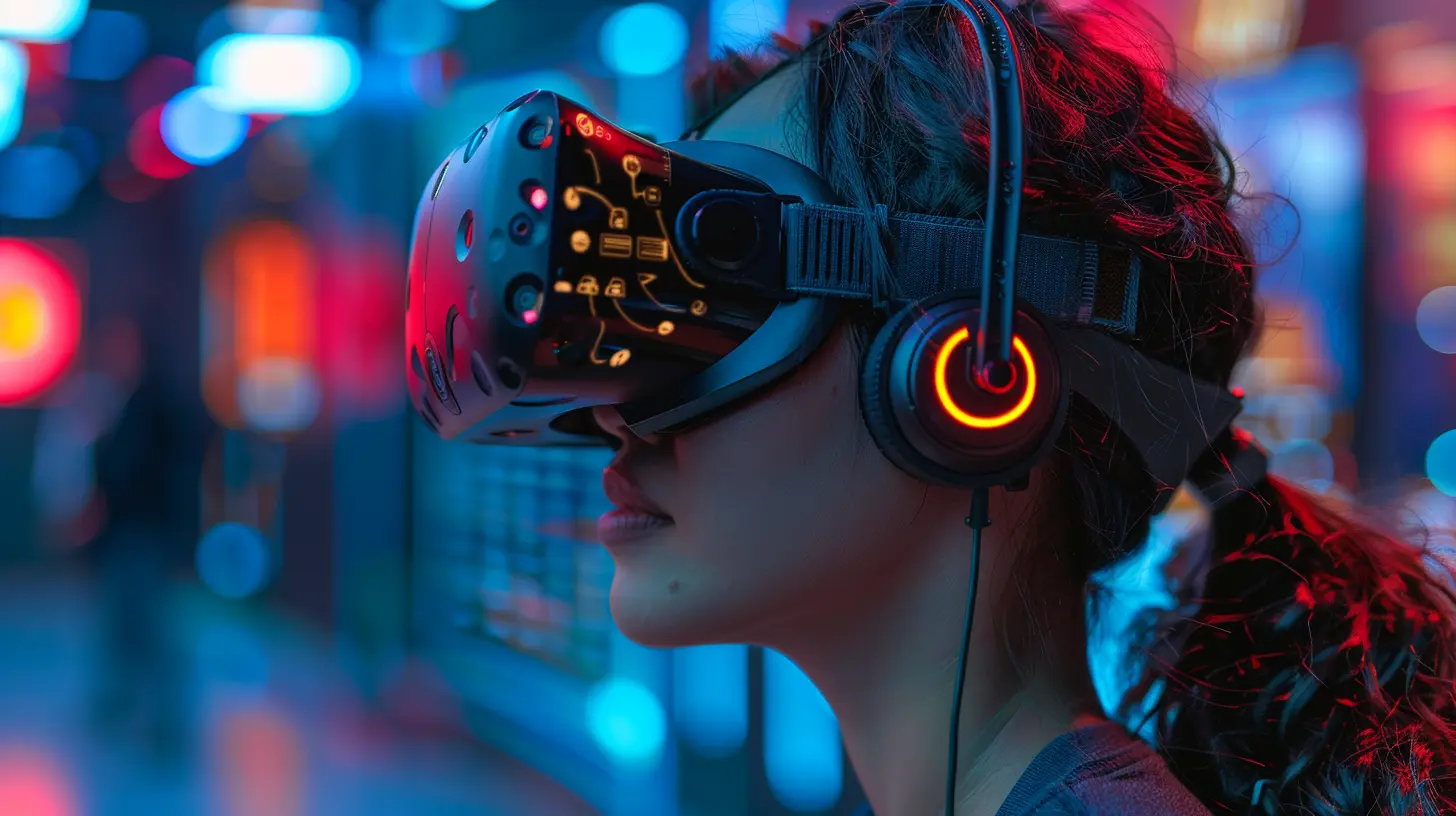
What’s the Connection Between VR and Mental Health?
Alright, VR and mental health—sounds like an odd couple, right? Not really.The beauty of VR lies in its ability to create immersive, interactive environments. These aren't just pretty graphics in a headset; these are experiences that can trigger emotional responses, simulate real-life situations, and most importantly, provide a safe space to face fears, learn coping skills, or simply relax.
Picture this: You’re terrified of public speaking. With VR therapy, you can stand in front of a virtual crowd and practice without ever leaving your room. No judgment, no pressure, just you building confidence one virtual presentation at a time.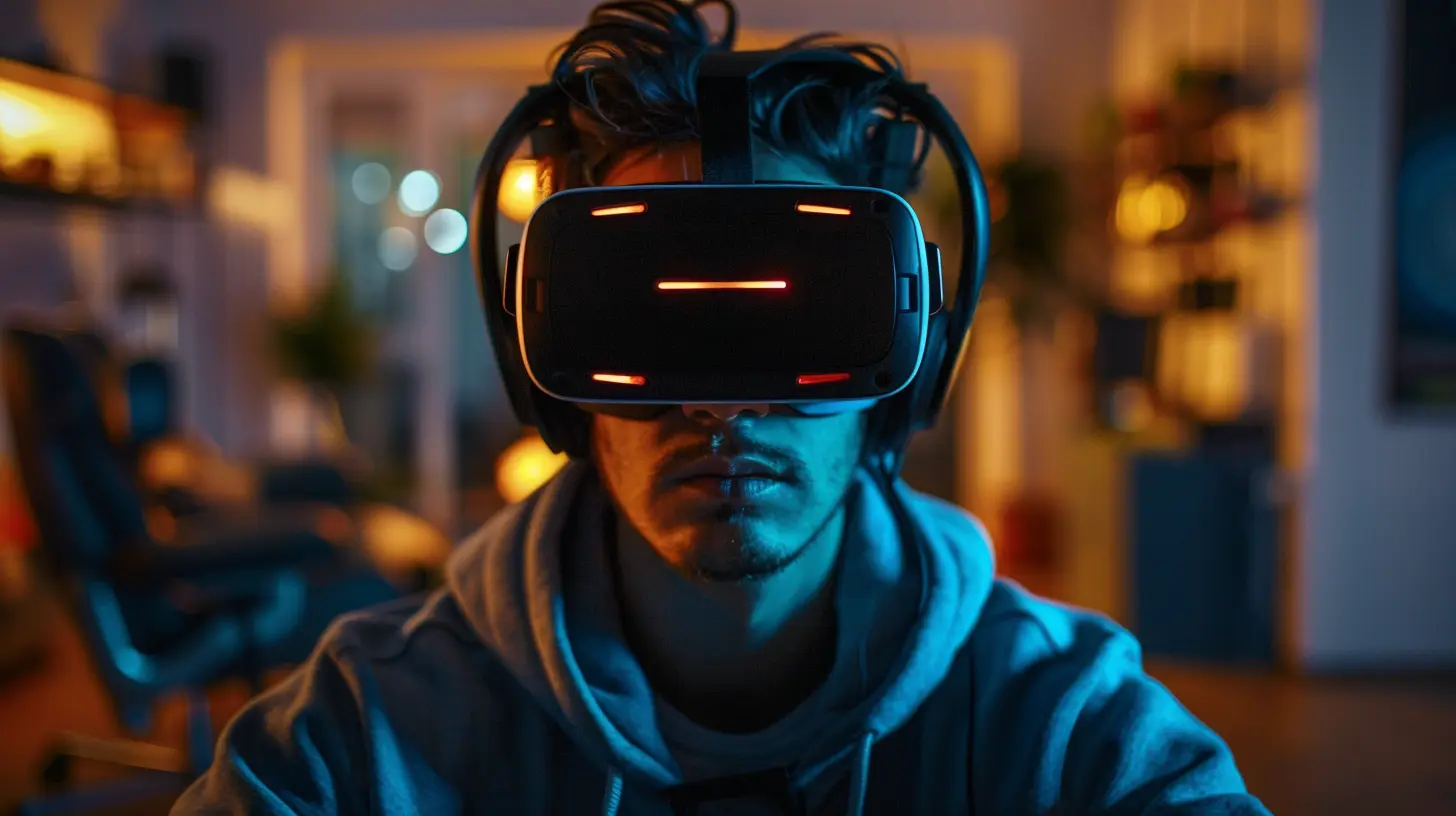
The Science Behind VR's Therapeutic Power
You might be thinking, “Okay, cool concept, but does it actually work?” Turns out, yes—it does, and there's science to back it up.VR works by engaging the brain in the same way real-life experiences do. When you’re immersed in a 3D environment, your brain reacts as if it were actually there. This means therapists can use VR to recreate safe versions of stressful scenarios, helping clients process trauma, confront phobias, or develop emotional regulation.
This technique is often referred to as "exposure therapy," and it's been around for ages. But VR cranks it up a notch by eliminating real-world risks while creating intensely real experiences.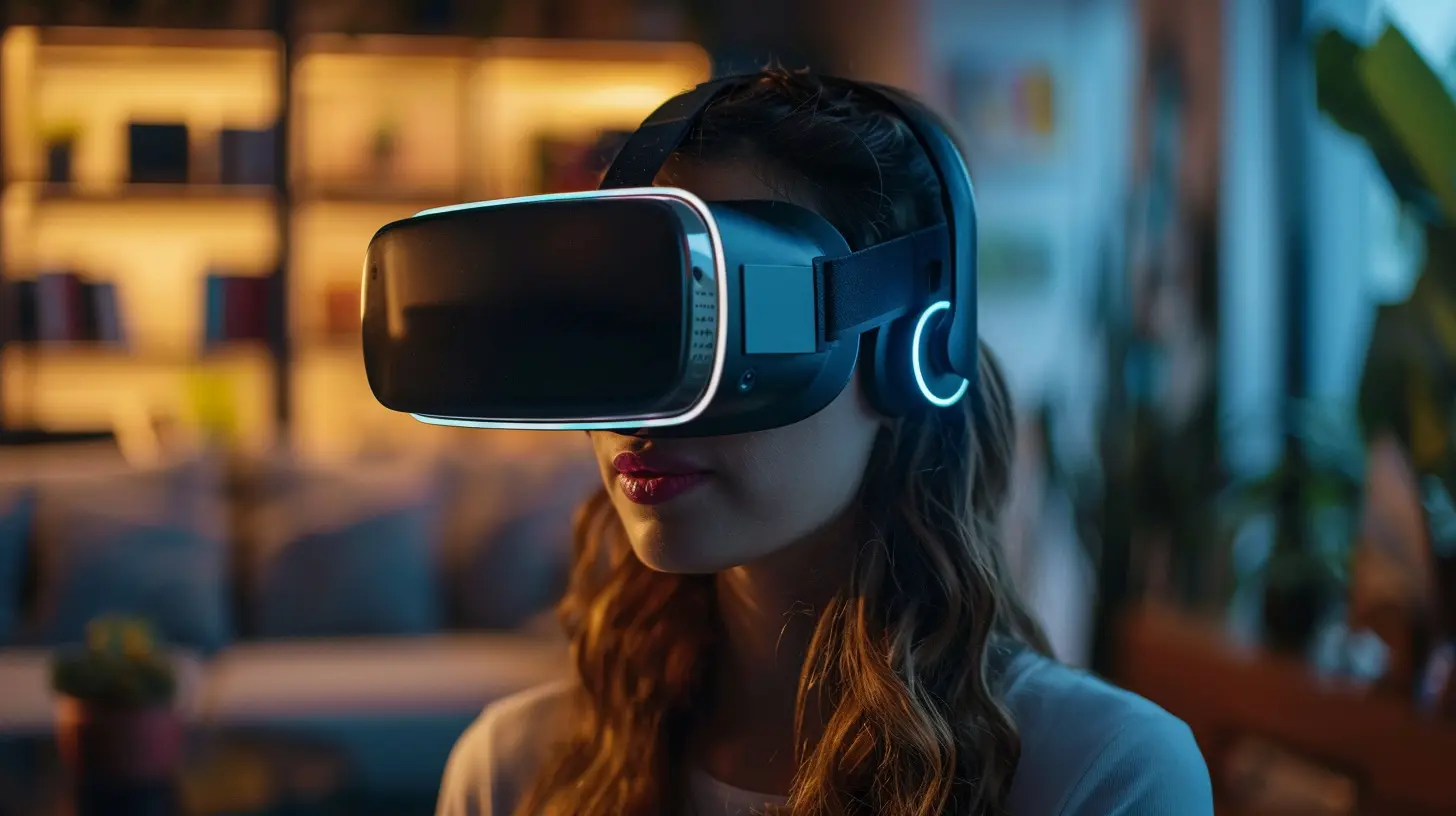
Key Areas Where VR Is Making an Impact
1. Treating Anxiety and Phobias
Let’s be honest, most of us are terrified of something—spiders, flying, social situations, you name it. Traditional therapy helps with this, but VR therapy makes the process way smoother and more effective. Instead of imagining these fears, VR places people in controlled digital environments where they can gradually face them.You don’t just talk about flying—you virtually board a plane and feel what it’s like to take off. That’s powerful.
2. Helping with PTSD
PTSD (Post-Traumatic Stress Disorder) is no joke. It wrecks lives and relationships. But VR is showing massive promise here. Custom VR scenarios can recreate war zones or traumatic events in controlled settings, allowing patients—especially veterans—to revisit and reprocess painful memories in a safe, guided way.A study even showed VR exposure therapy reduced PTSD symptoms in military personnel, helping them reclaim parts of their lives that trauma had stolen.
3. Managing Depression
Depression can make people feel disconnected from the world. But VR can provide a sense of presence—a way to re-engage. Some VR applications use guided meditation, calming nature environments, or story-based therapeutic journeys to help individuals feel more present, mindful, and emotionally uplifted.It’s like giving your brain a mini-vacation when everything feels too heavy.
4. Supporting Autism and Social Skills Training
VR is also being used to help individuals with autism develop social skills. Through VR, users can practice conversations, facial expressions, and reactions in different scenarios—all without the unpredictability of the real world.It’s like having a virtual sandbox where people can build confidence at their own pace.
5. Aiding Addiction Recovery
Fighting addiction is a beast. Cravings, triggers, and emotional lows can hit hard—and this is where VR becomes a game-changer. By exposing individuals to digital versions of real-life triggers in a safe, controlled setting, therapists can help patients develop coping skills and strategies without the danger of actual relapse.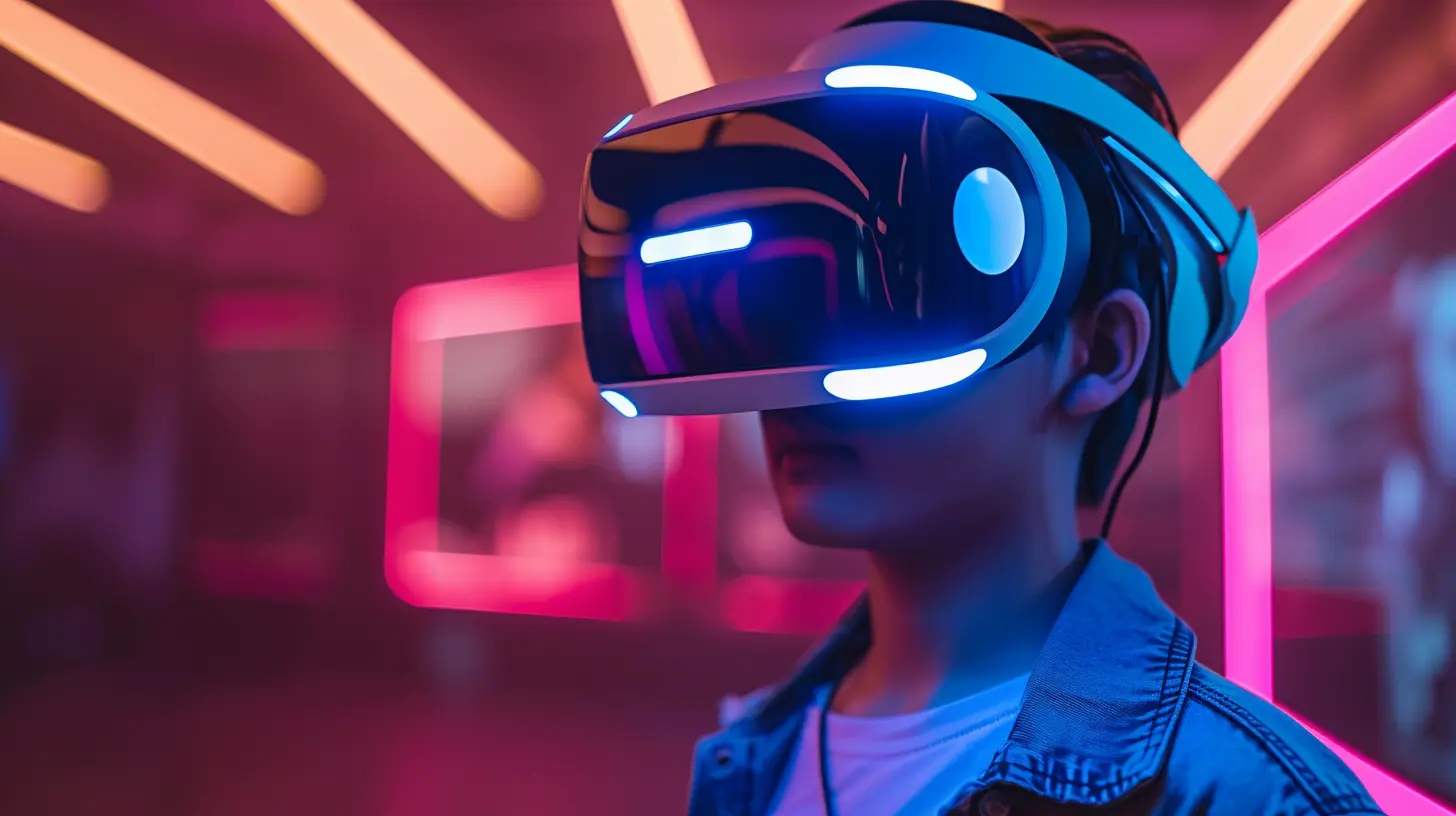
The Rise of VR Meditation and Mindfulness
Not everyone using VR for mental health is dealing with a diagnosed condition. Sometimes, we just need a break. Life gets chaotic, and VR offers an easy way to take a digital breather.Apps like "TRIPP" and "Guided Meditation VR" offer visually stunning, interactive mindfulness experiences. You’re no longer just closing your eyes and breathing—you’re floating through space, walking through waterfalls, or sitting under a virtual cherry blossom tree.
And let’s not forget, relaxation is prevention. Reducing daily stress helps prevent bigger mental health issues down the line.
Challenges in the VR Mental Health Space
Let’s keep it honest—VR isn’t a magical fix for everything. There are hurdles. For one, not everyone has a VR headset lying around. The tech isn’t cheap (yet), and not all therapists are trained in using it.Also, some people may feel motion sickness or discomfort when using VR. It’s not for everyone, and that’s okay. The key is that it offers another tool in the mental health toolbox, not a one-size-fits-all solution.
And finally, privacy and data security are concerns. As with any tech that collects emotional and behavioral data, there’s always a risk. Developers and therapists need to ensure strict privacy measures are in place.
The Future Looks Bright (and Virtual)
Even with the challenges, VR therapy is picking up steam. As hardware gets cheaper and software becomes more accessible, more people are turning to this tech for mental health support. And with AI integration, we might soon see personalized therapy sessions that adapt in real-time based on your emotions and reactions. Wild, right?Big players like Oculus (now Meta), MindMaze, and BehaVR are already investing heavily in this space. The future could bring VR therapy right into our homes—offering affordable, stigma-free support.
The Mental Health Benefits of Gaming-Style Environments
Here’s where it gets even more interesting, especially for gamers. Mental health VR solutions are starting to look and feel like video games. Quests, achievements, progress tracking—it’s all being gamified to keep users engaged. And it works.Why? Because gaming taps into the brain’s reward system. When you level up or complete a calming ritual, your brain gets a dopamine hit. That’s motivation, joy, and a subtle push to keep going.
So, what if therapy became something you actually looked forward to doing? That’s what VR is aiming for.
VR and Accessibility: A Game-Changer for Remote Therapy
One of the biggest benefits of VR mental health tools? Accessibility.Let’s say you live in a remote area or have mobility issues. Getting to a therapist might be tough. But if you’ve got a VR headset and internet access, therapy can come to you. And in real-time too.
Telehealth is already helping bridge gaps in mental health care, and VR just takes that to the next level—offering actual interaction in virtual spaces as if you’re sitting across from your therapist.
Tips If You’re Curious About VR Mental Health Tools
Thinking about dipping your toes into VR therapy? Here are a few tips:1. Do Your Homework – Not all VR apps are created equal. Look for ones backed by mental health professionals.
2. Start Slow – Try short mindfulness or relaxation sessions first before diving into hardcore therapy simulations.
3. Check Compatibility – Make sure your headset supports the app you’re interested in. Popular choices include Oculus Quest, HTC Vive, and PlayStation VR.
4. Talk to a Pro – VR therapy should complement, not replace, professional care. Ideally, use VR tools alongside sessions with a licensed therapist.
5. Watch for Side Effects – If you feel dizzy or emotionally overwhelmed, take a break. Your well-being always comes first.
Final Thoughts
Virtual reality isn’t just about entertainment anymore. It’s stepping up as a powerful ally in the fight for better mental health. From easing anxiety and PTSD to helping folks just take a deep breath and reset, VR is proving to be more than a gimmick—it’s a genuine support system.Sure, it’s not perfect. But honestly, what therapy method is? The important thing is that VR offers another path, one that’s engaging, immersive, and filled with potential. And as we continue to break down mental health stigmas, innovative solutions like VR will only become more important.
So whether you’re a gamer, a therapist, or someone just trying to feel a little better—VR might just be the tool you didn’t know you needed.
all images in this post were generated using AI tools
Category:
Gaming And Mental HealthAuthor:

Whitman Adams
Discussion
rate this article
1 comments
Lena Thornton
Virtual reality is not just a gaming gimmick; it's a game changer for mental health. Immersive experiences can offer real relief and healing. We need to embrace this technology and explore its full potential in providing support and therapy for those in need.
June 23, 2026 at 4:39 AM