What Makes a Game Truly Replayable
15 May 2026
Let’s be honest — not all games are built to last.
Some hit hard and fade fast, like that fleeting adrenaline rush from a rollercoaster ride. Fun? Sure. But do you really want to get back in line again and again?
Then there are games that grip you — even after the credits roll. You keep coming back, time after time. Maybe it’s the thrill of uncovering hidden secrets, or just the pure fun of doing things differently in a second (or third) run. That magic, my friend, is replayability.
But what exactly makes a game truly replayable? Is it just variety and content? Or is there something deeper at play?
Let’s dive into the core ingredients that make a game worthy of multiple playthroughs.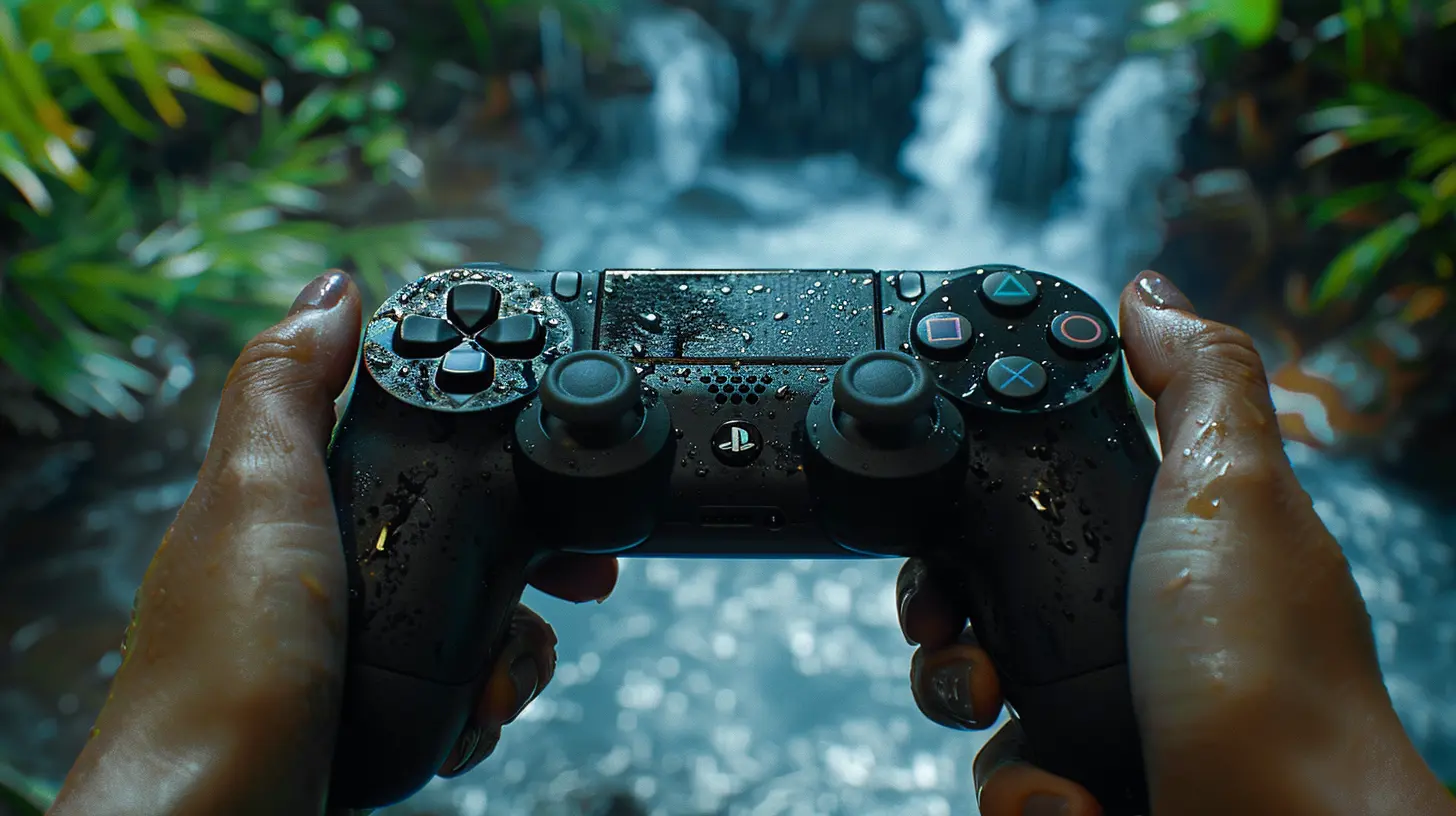
The Difference Between Playing and Replaying
Before we break down the mechanics, let’s get something straight — playing a game is your first run-through. You’re learning the ropes, soaking in the story, getting used to the controls. Replaying a game? That’s a conscious choice to come back, even when you already know what happens. That’s when the magic really begins.So what makes certain titles pull us back in, while others collect digital dust in our libraries?
1. Meaningful Player Choice
Ever finish a game and wonder, “What if I had done things differently?”That’s a golden sign of replayability. Games that offer branching narratives or multiple solutions make us want to experiment. We want to know how things turn out if we take the other route.
Examples That Nail It:
- The Witcher 3: Your dialogue choices shape entire kingdoms. Literally.- Detroit: Become Human: Every decision can lead to life or death — and with multiple characters.
- Mass Effect Trilogy: Your choices can ripple across three entire games!
Even if the overall plot stays similar, when your input genuinely changes outcomes or relationships, that's fuel for future playthroughs.
2. Varied Playstyles and Builds
Imagine playing a game as a stealthy rogue on your first go. It’s tense, slow, and strategic. Then, you replay it as a heavy-hitting warrior — smashing through enemies, leaving destruction in your wake.Feels like a totally different game, right?
That’s what varied playstyles do. When a game lets you shape your play around different builds, you're essentially getting new experiences each time.
Some Stellar Examples:
- Skyrim: Mage? Thief? Warrior? Why not all eventually?- Dark Souls: Each weapon changes how you approach every single fight.
- Hades: Different weapons and boons completely shift your strategy.
Games that mix things up with classes, weapons, skills, or even tactical approaches open the door for endlessly refreshing replays.
3. Randomization and Procedural Generation
No one likes reruns. That’s why procedural generation is such a powerful tool.When levels, loot, enemies, or events shape-shift every time you play, it’s like opening a new gift each time. You never really know what’s coming.
Popular Games That Use This Brilliantly:
- The Binding of Isaac: You're never playing the same dungeon twice.- Dead Cells: Fast-paced, randomized platforming perfection.
- Minecraft: Each world is a blank canvas of possibilities.
That unpredictability? It’s like rolling the dice and getting a new adventure each time.
4. Short, Sweet, and Designed to Be Replayed
Not every game needs to be an epic 100-hour saga. Sometimes it’s the short, tight experiences that beg you to jump back in.Roguelikes and roguelites have this down to a science. They’re built around failure and trying again — but better, smarter, faster.
Games like:
- Slay the Spire
- Into the Breach
- Returnal
These games are basically built to be replayed. Each run is a chance to refine your skills, try out new strategies, or uncover subtle pieces of story or lore.
5. Unlockables and Hidden Content
Nothing motivates a second (or third) playthrough quite like the words: “New Game Plus.”When a game gives you new content the second time around — whether it’s a hidden ending, tougher enemies, or exclusive gear — it adds purpose to your replay.
Think about:
- Resident Evil series: Unlock tougher modes, special weapons, and new characters.- Nier: Automata: You haven’t seen the full story until you’ve finished it multiple times.
- Persona 5 Royal: New confidants, endings, and boss fights all require replays.
This approach rewards dedication. It tells players, “Hey, there’s more here if you stick around.” And often, we do.
6. Engaging Game Mechanics That Just Feel Good
Let’s not forget the most primal reason to play a game again: it’s just really freakin' fun.When the core mechanics feel smooth, satisfying, and addictive, they can carry a game a long way — even if the world or story doesn’t change.
It’s all about the flow.
Whether it’s the swing of Spider-Man through New York, the snap of a perfect combo in Devil May Cry, or the buttery shooting in DOOM Eternal — when a game feels good to play, you don’t need more reasons to hit "New Game".Replayability isn’t always about variety. Sometimes, it’s about vibe.
7. Competition and Leaderboards
Okay, let’s get a bit sweaty here.If a game has competitive elements — online rankings, speedrun timers, or high-score systems — some players simply have to try again. And again. And again.
These games tap into that:
- Tetris Effect: Ever been hypnotized by falling blocks? Then tried beating your high score for three hours straight?- Cuphead: Boss rushes and perfect runs keep players hooked.
- Super Meat Boy: Die. Retry. Die. Retry. Victory.
Self-improvement is replayability’s secret sauce. When a game challenges your ego, your fingers, and your patience — you're in for the long haul.
8. Mods and Community Content
When developers open the doors to modding, they're essentially telling players:“Hey, make our game even better.”
This transforms a great game into a platform. Fans create new maps, characters, quests, and even entirely new stories. It keeps things fresh long after release.
The Titans of Mod Culture:
- Skyrim (again): It’s basically a meme at this point. Skyrim in VR. Skyrim with guns. Skyrim with Thomas the Tank Engine as a dragon.- The Sims series: From clothes to whole life sim overhauls.
- Minecraft: A builder’s playground for everything from survival challenges to RPG servers.
Modding multiplies replayability. It keeps the game from ever getting "old".
9. Strong Narrative Hooks and Emotional Depth
Sometimes, we replay a game not for what’s new — but for what we felt.There’s power in a well-told story. If a game wowed you with twists, broke your heart with emotion, or made you think with its themes, chances are you’ll want to experience that all over again.
Narrative Masterpieces Worth Revisiting:
- The Last of Us Part I & II: Gut punches galore.- Life is Strange: Every choice echoes.
- Red Dead Redemption 2: Complex characters and tragic depth.
Those quiet "wow" moments? Those stick with us. And sometimes, we go back just to feel them again.
10. Nostalgia and Personal Attachment
Let’s not overlook the soft stuff.Sometimes we replay a game not because of fancy mechanics or branching stories — but simply because it reminds us of something.
Good times with friends. A specific moment in life. The way a certain song from the soundtrack hits just right.
Those connections are priceless.
That’s why people replay:
- Pokemon games
- Super Mario 64
- Halo classics
They’re tied to memories, and memories are powerful motivators.
So, What’s the Secret Recipe for Replayability?
If you've been paying attention, you’ll notice something —It’s not just one thing.
Replayable games usually pack a combo — strategic depth, emotional hooks, content variety, maybe all three. Whether it’s about discovering what's new or refining what you already know, the best replayable games give you a reason to come back.
Again. And again. And again.
Wrapping It Up
Replayability is the magic that turns a one-night stand into a long-term relationship.It’s not about graphics. It’s not even about length.
It’s about choices, freedom, challenge, and most importantly — fun.
The truly replayable games are the ones that let you write your story, test your skills, feel something deep, or just goof around in new ways every single time.
So next time you boot up something for the second (or tenth) time, ask yourself — what’s pulling me back?
Odds are, it’s one of the things we talked about above.
And if it’s all of them? Congratulations — you’ve found yourself a forever game.
all images in this post were generated using AI tools
Category:
Gaming ReviewsAuthor:

Whitman Adams
Discussion
rate this article
1 comments
Celine Ramos
Replayability comes from engaging mechanics, unique experiences, and rewarding player choices that surprise each time.
May 18, 2026 at 4:50 PM
Whitman Adams
Absolutely! When mechanics keep players on their toes and every choice leads to a fresh experience, it makes them want to come back for more.