When a Remake Revives an Entire Franchise
21 July 2026
Let’s be real for a second—remakes get a bad rap. Say the word “remake” and you might hear a collective groan from gamers everywhere. "Ugh, another cash grab?" Sound familiar?
But hold on. What if I told you that some remakes don’t just retouch a few graphics or slap on a new coat of paint? What if they breathe new life into forgotten classics… or even bring an entire franchise back from the grave? Yeah, now we're talking.
In the wild world of video games, not all remakes are born equal. Some come quietly and fade fast. Others? Well, others explode with so much impact they reboot the hype, rekindle old fan love, and reel in a brand-new generation of gamers. So grab your controller (or keyboard, we don’t judge) and let’s talk about when a remake revives an entire franchise.
The Art of the Remake: More Than Just Nostalgia
Here’s the thing—nostalgia gets us in the feels. There’s something magical about remembering the first boss fight you struggled through, that iconic soundtrack that gave you goosebumps, or those game mechanics burned into your muscle memory. But if a remake stops at nostalgia, it risks feeling empty.The remakes that truly revive a franchise? They do more. They respect the past while boldly updating it for a new era. They keep the soul of the game intact but sharpen the edges for modern sensibilities. We're talking improved gameplay, refined stories, deeper characters, and yes—ultra-slick graphics.
It's not just about the past. It's about reimagining the future.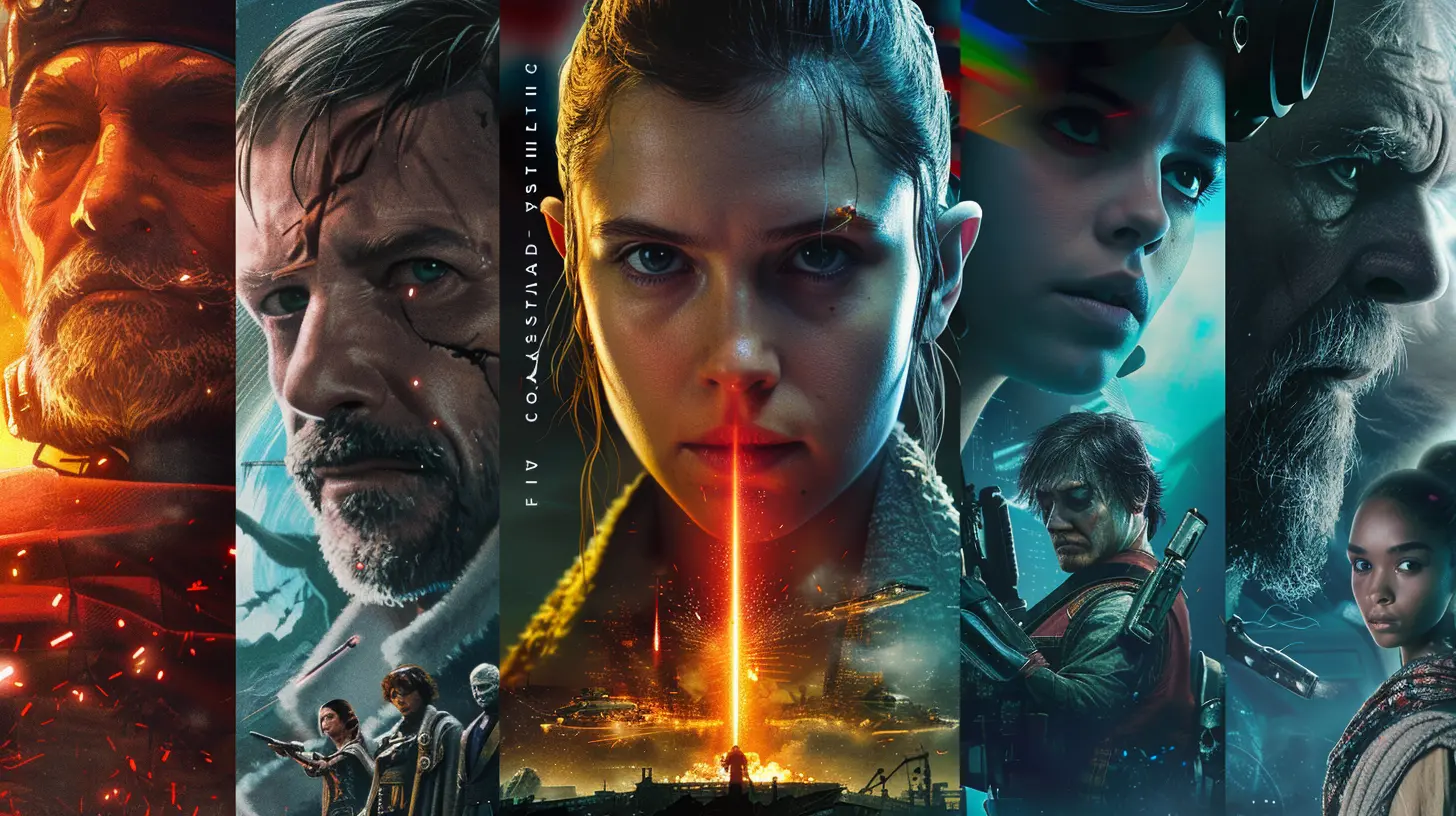
Case Study: Resident Evil 2 (2019) – The Gold Standard
Let’s kick off with the poster child for franchise-reviving remakes—Resident Evil 2 (2019).Capcom didn't just remaster this classic; they rebuilt it from the ground up using their RE Engine. The result? A gorgeously terrifying, edge-of-your-seat survival horror experience that felt both familiar and brand new.
This game did more than wink at longtime fans—it introduced the series to a new generation who might've missed out on tank controls and fixed camera angles (thankfully!). The success of RE2 sparked a chain reaction: RE3 got a remake, RE4 followed (and it slapped), and suddenly the Resident Evil franchise was on fire again. Capcom hadn’t just made a good game; they’d resurrected a legacy.
That’s the power of a well-done remake.
Why Some Franchises Need a Revival
You know the ones. Game series that went straight from GOAT status to gathering dust. Maybe they had a couple of flops. Maybe the devs lost direction. Or maybe gaming just moved on and left them behind.Whatever the reason, some franchises fade out not because they stink—but because they stop evolving.
Enter the remake. It’s like a defibrillator for the heart of the franchise, jolting it back into relevance. A good remake reminds players why they fell in love in the first place—and shows them what they were missing all over again.
Final Fantasy VII Remake – Bigger Than a Bombing Mission
Let’s talk about Final Fantasy VII Remake for a second. This wasn’t just a remake. This was a freakin’ event. Fans had been begging for it since the PS3 tech demo dropped in 2005. The hype? Unreal. The expectations? Through the roof.So what did Square Enix do?
They didn't just meet the bar—they raised it. Sure, they gave us Cloud with modern-day hair physics and Midgar glowing in HD glory. But more than that, they deepened the story, added layers of character development, and turned a few hours of the original into a full-blown, emotionally-charged RPG adventure.
And guess what? It worked. Final Fantasy VII Remake reignited interest in the series, brought the characters back into the cultural spotlight, and set the table for future installments. Suddenly, FF wasn't just a beloved memory. It was a trending topic.
The Power of Reintroduction
There’s another angle here—remakes aren’t just for fans. They're an invitation to newbies.Let’s say someone missed Dead Space or never had a PlayStation 1 to play the original Crash Bandicoot. Are we just gonna tell them, “Well, too bad”? Nah. Remakes open the door wide for new audiences to fall in love with games that defined earlier generations.
Think of a remake like a movie reboot. You could go back and watch the original, sure. But sometimes, that 4:3 aspect ratio or janky camera controls just ain’t it. A sharp remake can take the same story and energy and offer it in a way that fits today’s gameplay standards.
When that’s done right? Boom—new fans, new excitement, and a broader community.
Pokemon HeartGold and SoulSilver – How to Do it Right
Back in 2009, Nintendo dropped HeartGold and SoulSilver, remakes of the beloved Gen 2 Pokemon titles. And man, they nailed it.They kept everything that made the originals great—like the world design and dual-region gameplay—but added slick DS graphics, modern mechanics, and the adorable feature where your lead Pokemon follows you around (seriously, chef’s kiss).
This wasn’t just a love letter to fans. It was a masterclass in how to modernize a classic without losing its charm. And guess what? These games still rank as some of the best Pokemon titles of all time according to fans. A remake done right can enhance the entire brand.
Crash Bandicoot N. Sane Trilogy – From Mascot to Must-Play
Remember when Crash was basically the face of PlayStation in the '90s? Then he kind of… vanished. A few weak titles and awkward transitions later, and our favorite orange marsupial was missing in action.Enter the N. Sane Trilogy in 2017. Vicarious Visions rebuilt the first three games with stunning visuals, smoother controls, and the same wild platforming fury fans remembered. Result? People ate it up.
Suddenly, Crash wasn’t a relic—he was back. The trilogy sold millions, paved the way for Crash 4 (an actual new game!), and reminded the industry that Crash still had juice.
The Risk Factor: Not Every Remake Lands
Okay, time for a little real talk. Not all remakes stick the landing.Some miss the point. They update the visuals but gut the gameplay. Others tweak core mechanics until they feel like a completely different game—with none of the charm that made the original special.
Then there are remakes that try to modernize things but forget the heart of the story or characters. And sometimes, devs focus so much on graphics they forget that great gameplay is timeless.
So yeah, it’s a gamble. But it’s a gamble worth taking when done with care, respect, and creativity.
What Makes or Breaks a Franchise-Reviving Remake?
If you've been nodding along, you might be wondering: what’s the secret sauce?Here’s a quick list:
- Respect the Source Material – Fans want to feel like their memories matter.
- Update with Purpose – New graphics, new tech, better controls… but keep the essence.
- Rebuild, Don't Just Remaster – If the base game is super outdated, a full overhaul is worth it.
- Add Fresh Layers – Deeper side quests, richer environments, emotional beats the original lacked.
- Balance Nostalgia With Innovation – It’s like remixing a classic song—you want the original feel but a fresh vibe.
The Ripple Effect: How One Remake Can Change Everything
Here’s the crazy part. A single great remake can cause a franchise-wide domino effect.Look at RE2’s remake again. It led to not just more remakes—but fresh sequels, collabs, merch, and more. The franchise basically gained a new life cycle.
Or take Final Fantasy VII. Its remake has spun off into an entire trilogy, complete with new themes, expanded lore, and a rekindled fanbase that’s louder than ever. It’s like Square Enix got a second chance to tell the story they always wanted.
Sometimes, a remake isn’t just a game—it’s a rebirth.
In a World of Sequels, Remakes Remind Us Why We Fell in Love
Let’s face it. The gaming industry is sequel-heavy. Every year, we get follow-ups, prequels, spin-offs… and while that’s fine, it can also feel like we're always chasing the next big thing.Remakes, when done right, hit differently. They give us a chance to pause, rewind, and reconnect with the roots of our passion. They tell us: “Hey, remember this? We made it better, for you.”
And sometimes, that's exactly what a franchise needs—to remember where it came from so it can figure out where it’s going.
Final Thoughts
When a remake revives an entire franchise, it’s more than just good business. It’s a love story between developers and players. It’s legacy meeting innovation. It’s the magic of gaming history being rewritten—not erased.We all want to see our favorite worlds thrive. And sometimes, all it takes is one bold, beautiful, heart-filled remake to make that happen.
So, the next time you hear about a remake, don’t roll your eyes. Instead, ask: “Is this the one that brings the franchise back to life?”
Because if history's taught us anything—revival is always just one great game away.
all images in this post were generated using AI tools
Category:
Game RemakesAuthor:

Whitman Adams