Can Competitive Gaming Improve Mental Toughness?
23 July 2026
Let's be honest—gaming used to have a bad reputation. Most people thought it was just a waste of time, something that made kids lazy or turned adults into couch potatoes. But fast forward to today, and we’ve got esports tournaments filling stadiums, players landing million-dollar deals, and universities offering scholarships for top-tier gamers.
But here’s the real question:
Can competitive gaming actually make you mentally tough?
It might sound surprising, but the answer is leaning towards a solid yes. Let’s break it down and look at how competitive gaming is shaping sharper minds, building grit, and transforming how we define mental strength.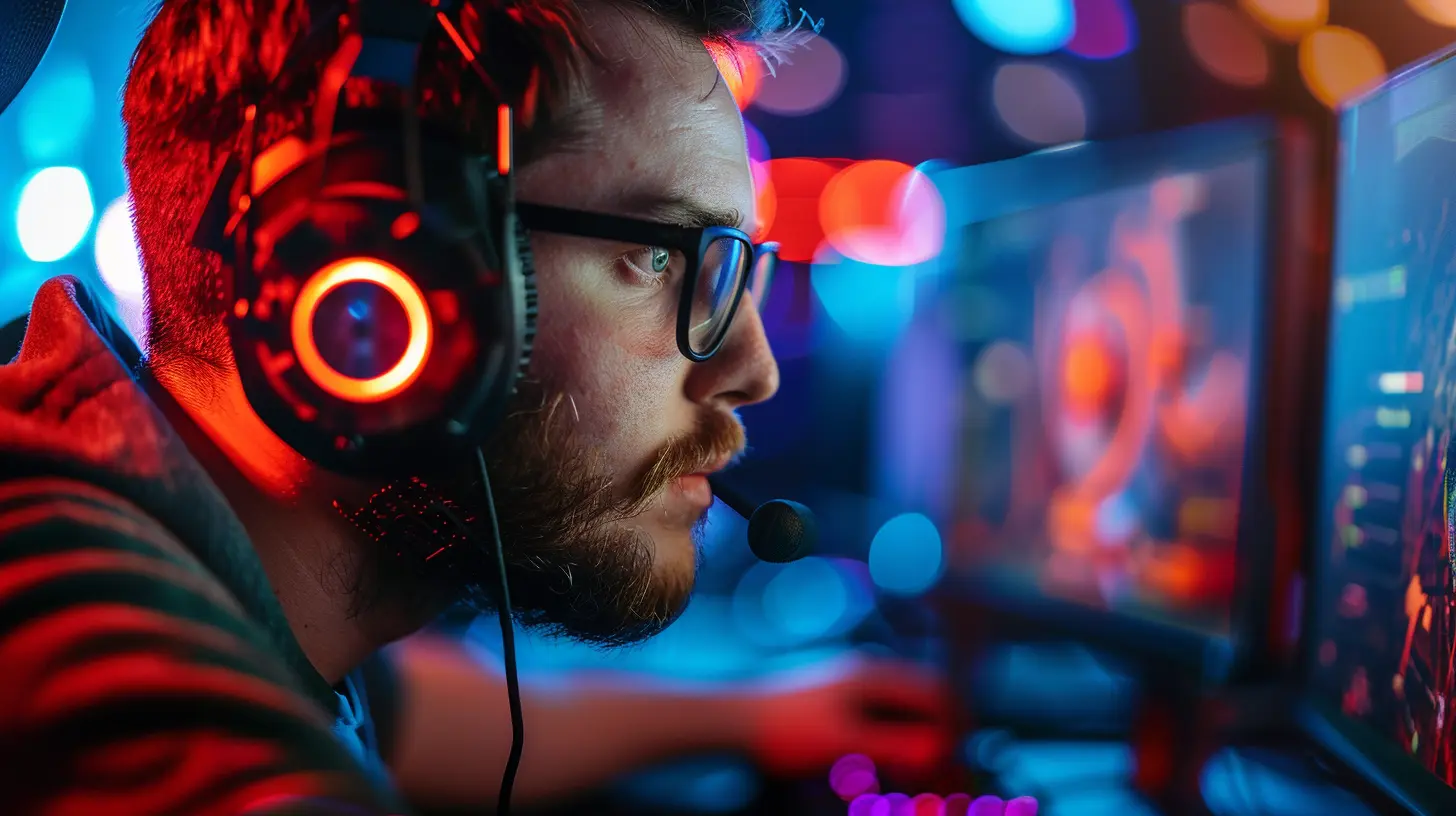
What Exactly Is Mental Toughness?
Before we dive into how gaming affects it, let’s get clear about what mental toughness even means. You might think it’s just about pushing through stress or not giving up when things get tough—and you’re not wrong. But it’s also a lot more than that.Mental toughness is about focus under pressure, emotional control, bouncing back from failure, and staying disciplined even when the odds are stacked against you. In short? It’s your inner game face.
Sounds like something athletes need, right? Well, gamers need it too—especially in competitive settings.
The High-Pressure World of Competitive Gaming
Think about it for a second. Competitive matches are often decided by milliseconds. A single missed click or poorly timed move can cost the entire round. The stakes are high, adrenaline is pumping, and your brain has to stay laser-focused.Professional esports players train for hours each day—just like traditional athletes. They dive into strategy, fine-tune reflexes, and battle through mental fatigue. You don’t get to the top of the leaderboard without learning to stay calm and perform under intense pressure.
And that’s where mental toughness comes in.
Pressure Builds Diamonds: How Gaming Develops Grit
1. Failure Is a Constant Teacher
Let’s be real: If you’ve ever played something like League of Legends, Valorant, or Fortnite, you know losing is just part of the game. You get wrecked. A lot. But here's the thing—every loss is a lesson.Competitive gaming forces you to examine your mistakes. Why did you die there? Did you make a bad decision? Was your positioning off? Little by little, you adapt. You get better. And more importantly, you stop taking failure personally. That’s a core trait of mentally tough individuals.
2. Decision-Making Under Pressure
One of the most fascinating aspects of competitive gaming is how it trains your brain to handle high-speed decision-making. You have to think fast, but not recklessly. You need to read your opponents, track cooldowns, predict enemy moves, all while managing your own resources.Over time, this builds clarity and confidence in your instincts. It’s like mental weightlifting. You’re constantly pressing your limits and building that mental muscle.
3. Discipline and Dedication
You can’t improve by playing casually for 30 minutes here and there. To compete at a high level, you need to practice consistently. It means reviewing footage, studying strategies, working with teams, and refining skills day in and day out.That kind of dedication doesn't just boost your in-game rank—it trains your mind to stick to goals, even when the journey gets rough.
Emotional Intelligence and Team Dynamics
Mental toughness isn’t just about how you handle yourself—it’s also about how you interact with others.1. Handling Criticism
Competitive gaming is full of feedback—some constructive, some not-so-much. Whether it’s a teammate pointing out a mistake or a coach calling you out during a review session, you’ve got to learn to swallow your ego and use that input to grow.Building the emotional resilience to take criticism without crumbling is a huge part of mental toughness.
2. Team Synergy and Communication
In games like Overwatch or Dota 2, success often hinges on teamwork. This means learning to communicate effectively, stay cool when teammates drop the ball, and trust others even when things look bleak.These social skills don’t just help you win matches—they translate into better collaboration in real-life situations too.
Coping With Stress and Burnout
Now here’s the flip side. Competitive gaming carries stress—lots of it. The constant need to win, the fear of ranking down, the pressure from fans or sponsors if you’ve gone pro. It can lead to burnout if not managed properly.But if you learn to cope with that stress in healthy ways? You’re building serious mental armor.
1. Mindfulness and Focus Techniques
More and more pro gamers are turning to mindfulness, meditation, and breathing exercises to keep their head in the game. Just like elite athletes train their body and mind, gamers are realizing the value of mental self-care.2. Setting Boundaries
Mentally tough gamers know when to log off. They recognize their limits, take breaks, and come back stronger. It’s not about grinding non-stop—it’s about maintaining long-term performance. That kind of self-awareness and balance is a cornerstone of mental strength.Real-Life Benefits of Mental Toughness from Gaming
So, how does all this gaming goodness spill over into the rest of your life?1. Improved Academic and Career Performance
Think about it: If you can stay calm during a 1v5 clutch, handling a last-minute deadline at work or giving a class presentation doesn’t seem as scary. The focus, patience, and composure you develop in-game carry over to real-world challenges.2. Better Conflict Resolution
You’ve probably dealt with toxic teammates or frustrating situations in competitive matches. If you’ve managed to keep cool and communicate effectively, you’re actually sharpening your ability to handle conflicts offline too.3. Stronger Goal Setting
Gamers are goal-oriented. Whether it’s reaching Diamond rank or mastering a new role, you learn to set targets and work toward them methodically. That kind of mindset is a huge asset in both personal and professional development.But… There's a Catch
Let’s not sugarcoat it. Like any competitive activity, gaming has its risks. Obsession, burnout, toxic environments, and an unhealthy attachment to results can actually harm your mental well-being.Mental toughness in gaming only grows when players have balance, perspective, and support systems in place. It’s not about playing until you collapse—it’s about playing smart, playing with purpose, and knowing when to chill.
Final Thoughts: A New Kind of Athlete?
So, can competitive gaming improve mental toughness? Absolutely. It builds resilience, sharpens focus, enhances emotional control, and teaches the importance of preparation and self-discipline.But just like with sports, it all depends on how you approach the game. When handled with the right mindset, gaming isn’t just a test of reflexes—it’s a test of character.
And who knows? Maybe it’s time we start seeing gamers not just as players behind a screen—but as mental athletes training for excellence in an evolving digital arena.
Practical Tips to Boost Mental Toughness Through Gaming
Let’s wrap up with some quick wins. Want to turn your gaming habits into mental strength training? Try these:- Set specific goals: Don’t just play to play. Have something to work toward.
- Review your matches: Identify strengths and areas to improve.
- Take breaks: Mental fatigue hurts performance. Rest and reset.
- Practice mindfulness: Even 5 minutes before a match can help.
- Control your tilt: Breathe, reset, refocus. Don’t let one match define your session.
The Verdict
Gaming is evolving. So are the people who play. It’s not just about fun anymore—it’s about growth. Whether you’re climbing the ranked ladder or scrimming with a team, every match is an opportunity to sharpen more than your skills.Competitive gaming won’t replace therapy or athletic training, sure. But it does play a surprising role in building mental strength, one round at a time.
So next time someone tells you you're “just playing games,” maybe smile and think, “Actually, I’m training my brain.
all images in this post were generated using AI tools
Category:
Gaming And Mental HealthAuthor:

Whitman Adams