Exploring Games with Nonlinear Storytelling
8 March 2026
Gaming has come a long way from running left to right and defeating the final boss. These days, it’s not just about the action — it’s about how the story unfolds. One of the most intriguing trends in modern game design is nonlinear storytelling. It's that immersive, unpredictable narrative approach where choices matter, timelines jump, and the story bends to your decisions (or sometimes makes you wonder if you were ever in control in the first place).
But what exactly is nonlinear storytelling in games, and why is it such a big deal lately? Let's dive deep into this narrative rollercoaster and uncover how it's changing the way we experience video games.
What Is Nonlinear Storytelling in Games?
Let’s break this down quickly.Nonlinear storytelling means that the story doesn’t follow a straight beginning-to-end timeline. Instead, it may jump back and forth in time, provide multiple perspectives, or allow players to shape the story through choices and actions. Imagine watching a movie out of order — only, in games, that disorder is deliberate and often player-driven.
Linear vs. Nonlinear: The Basics
- Linear storytelling = You follow a straight path. Mission 1 ➝ Mission 2 ➝ Ending.- Nonlinear storytelling = You explore. Mission 3 first? Skip Mission 4? Side quests that alter the main plot? All fair game.
So yeah, nonlinear games feel more like being the director of your own movie than simply watching one.
Why Nonlinear Storytelling Hooks Us In
Think about the last time a game genuinely surprised you. Not with a jump scare or boss fight — I mean a “wait… did that just happen because of me?” moment. That’s the magic of nonlinear stories.Here’s why they work so well:
1. Player Agency
When players make choices that impact the game world, it feels real. You mess up a mission and a character dies? Oof. That’s on you. It’s these consequences that make nonlinear games stick with us long after we’ve put down the controller.2. Replayability
Linear games often give you one ending. Nonlinear games? Sometimes five. Sometimes sixteen. This encourages multiple playthroughs where each run feels fresh — just like flipping to a different page in a "choose your own adventure" book.3. Depth and Immersion
Since you’re not just passively consuming a story, but living it, you get more emotionally invested. Every dialogue option, every side quest, every moral choice pulls you deeper into the world.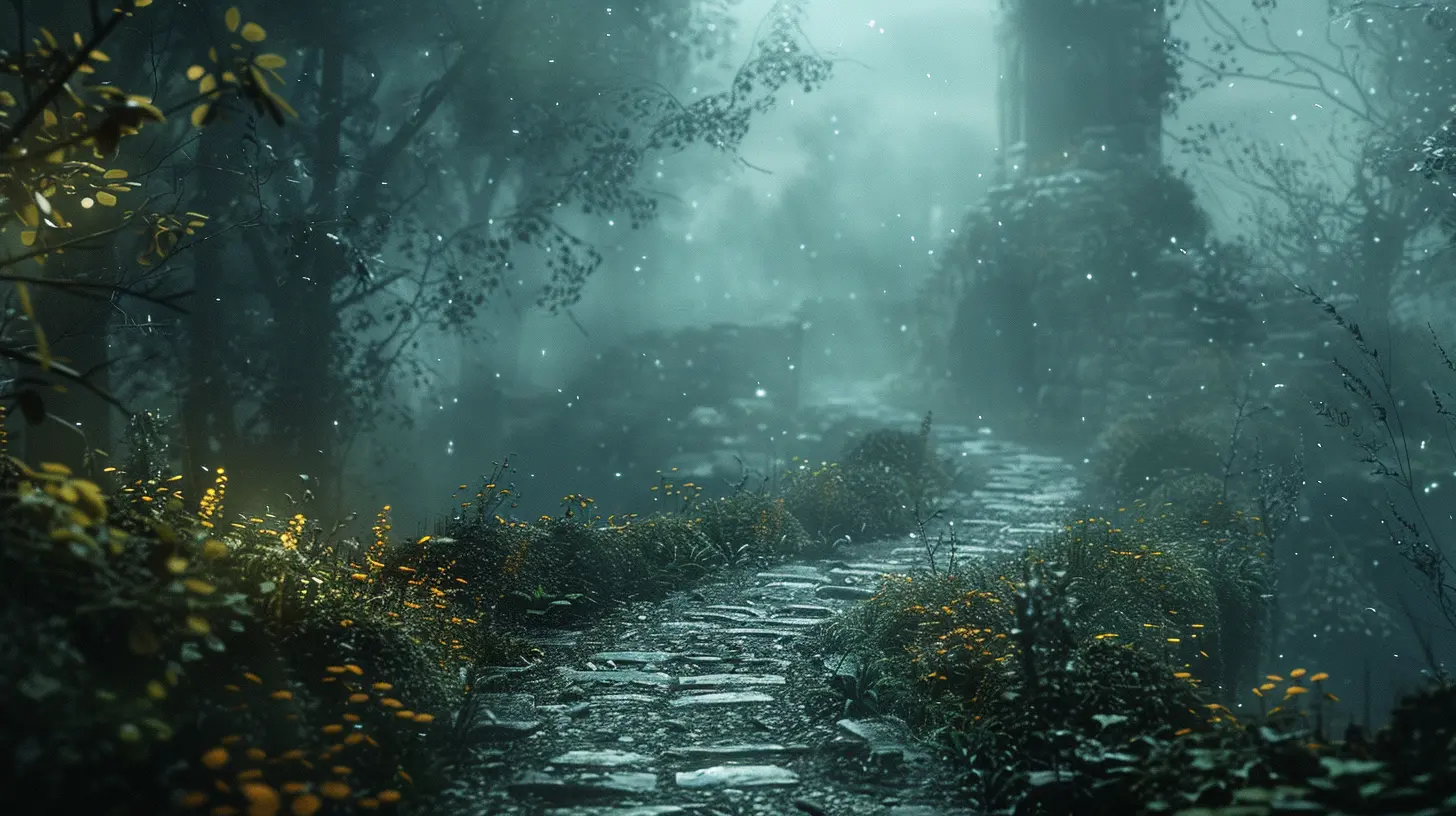
Types of Nonlinear Storytelling in Games
Not all nonlinear games are built the same. Here’s how game devs mix and match narrative tools to keep us engaged.1. Branching Narratives
You make a choice — the story changes. Classic.📌 Good Example: The Witcher 3: Wild Hunt. Geralt’s choices can lead to drastically different outcomes, not just at the end, but all throughout the game world.
These games often map out like spiderwebs. Each choice can lead to more branches, creating a huge web of possible narratives.
2. Multiple Endings
Sure, the main story beats may be similar, but how everything wraps up? That’s up to you.📌 Good Example: Detroit: Become Human. Depending on how you play, you can end up in a utopia, a dystopia, or somewhere in between.
3. Non-Chronological Timelines
These mess with your perception of time and sequencing. You might learn something in Act III that completely changes your understanding of Act I.📌 Good Example: Her Story. You piece together the story by watching out-of-order video clips. Intriguing and mind-bending.
4. Environmental Storytelling
Not every story has to be told through dialogue and cutscenes. Sometimes it's what's left unsaid — a broken wall, a blood trail, an abandoned diary.📌 Good Example: Dark Souls. The lore is buried in item descriptions, cryptic conversations, and environmental clues. Players uncover the story in bits and pieces.
5. Sandbox Narrative
Open-world games often use nonlinear storytelling in the form of dynamic world-building.📌 Good Example: Red Dead Redemption 2. The main plot is powerful, but how (and when) you tackle missions completely changes how events play out around you.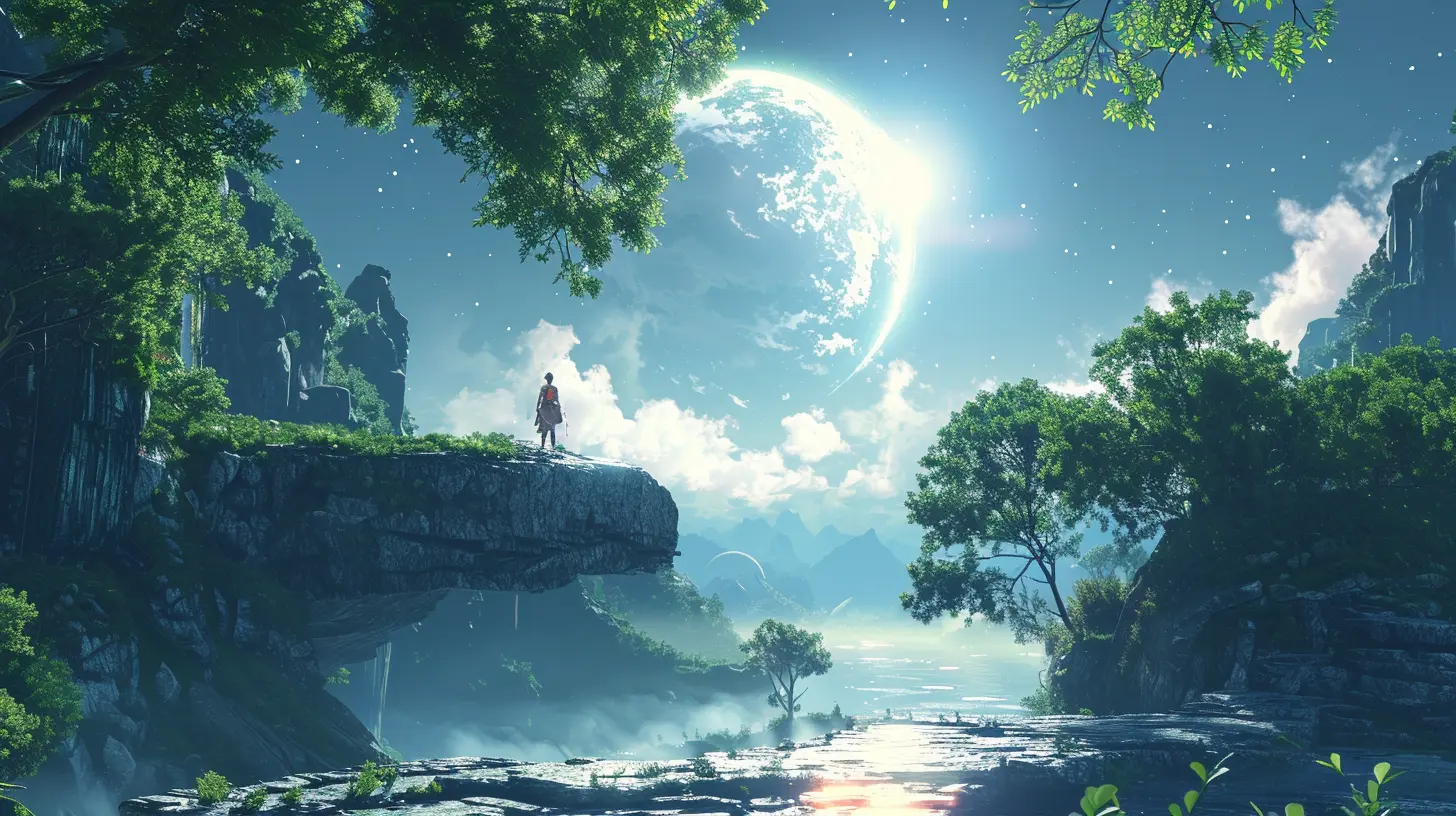
Iconic Games That Nailed Nonlinear Stories
Let’s highlight a few brilliant examples that showcase just how far developers go to make stories feel organic and player-driven.1. The Elder Scrolls V: Skyrim
Ah, Skyrim. Do you follow the main quest to become Dragonborn or just… steal cheese wheels and hunt vampires for 300 hours first? Your call.It’s a masterclass in freedom. Multiple factions, side quests with long-lasting repercussions, and dozens of possible paths make this game endlessly replayable.
2. Bioshock Infinite
This one’s a bit different. You might not have choices that alter the plot, but the way the story is told — dense with alternate realities and a mind-bending twist — feels anything but linear.It plays with memory, identity, and the illusion of choice. And yeah, that lighthouse reveal? No spoilers, but goosebumps.
3. Life is Strange
Here’s a heartstring-puller. You rewind time and change your decisions, but the emotional weight still lingers. You might “fix” a mistake, but what’s the cost?The butterfly effect is real in this one, and the story reacts surprisingly organically to your tiniest choices.
4. Mass Effect Series
Every conversation, squad choice, and Paragon/Renegade decision shapes not just your current game but the next one, too.Mass Effect is the gold standard for inter-game continuity. And yes, we’re all still mad about the ending of ME3 — but the journey? Epic.
How Nonlinear Storytelling Is Evolving
Nonlinear storytelling isn’t just a gimmick anymore. It’s becoming the norm in narrative-heavy titles. And with evolving tech and smarter AI, the future is looking wild.Procedural Narratives
Imagine a game that literally builds a unique story every time you play it. That’s where we’re headed with procedural narratives. AIs shape quests, character arcs, even dialogue on the fly based on your actions.Player-Generated Stories
Some games are now giving players tools to create their own narratives. Think simulation games like The Sims or Minecraft, where players build their own worlds — and stories naturally emerge.VR and Immersive Storytelling
Virtual Reality ups the ante. It’s one thing to make a decision on a screen; it’s another to physically look into a character’s eyes and decide their fate. VR narrative experiences are still in their infancy, but the potential? Massive.Challenges of Nonlinear Storytelling
Of course, it’s not all sunshine and perfectly woven plots. Crafting a nonlinear story comes with serious headaches.Writing and Design Complexity
More choices = more possible outcomes. That means devs have to write and test hundreds (sometimes thousands) of scenarios.Player Confusion
Sometimes players can feel “lost” or unsure if they’re progressing "correctly." And not everyone enjoys ambiguity.Illusion of Choice
Here’s the kicker — some games look nonlinear... until you realize all paths lead to the same conclusion. That cheapens the experience and breaks immersion.Why Nonlinear Games Matter
Nonlinear storytelling elevates gaming beyond a hobby into an interactive art form. It connects us emotionally, mentally engages us, and makes us feel like part of the game world.It’s storytelling, sure — but it’s storytelling you live. That’s powerful stuff.
And let’s be real: don’t we all love being in the driver’s seat of our own epic journey?
Final Thoughts
So, are nonlinear games better than linear ones? Not necessarily. It all depends on the game, the story it wants to tell, and the experience the developers want you to have.Still, there’s something special about games that make you pause mid-play and wonder, “Wait, what would’ve happened if I chose differently?”
Nonlinear storytelling isn’t just a trend — it's a movement. It's reshaping how narratives work in games, and honestly? We’re here for it.
Whether you’re making moral choices, uncovering fragmented memories, or shaping entire worlds, nonlinear games give you a powerful thing: a story that’s truly yours.
all images in this post were generated using AI tools
Category:
Gaming ReviewsAuthor:

Whitman Adams
Discussion
rate this article
2 comments
Zachary Black
Love nonlinear storytelling! It makes every playthrough feel fresh and exciting! 🎮✨
March 12, 2026 at 3:33 AM
Whitman Adams
I totally agree! Nonlinear storytelling really enhances the experience and keeps us engaged in new ways each time. Thanks for sharing your thoughts!
Reid Fuller
Nonlinear storytelling weaves choices and fate into a tapestry of mystery. As players wander these narrative paths, secrets await—what truths will you uncover?
March 9, 2026 at 4:19 AM
Whitman Adams
Absolutely! Nonlinear storytelling immerses players in a rich, interactive narrative, allowing them to shape their own experiences and uncover hidden secrets along the way. Each choice unfolds new layers of mystery!