Gaming Communities as Support Networks for Mental Health
23 June 2026
Let’s be real for a second. When most people think about gaming, they imagine people glued to their screens, tapping away on keyboards or controllers, escaping the “real world.” But here’s the thing—what if I told you that behind those screens, something a lot deeper is happening? Something powerful. Something life-changing.
Gaming has evolved way beyond just leveling up and chasing high scores. Today, gaming communities are becoming emotional lifelines and safe spaces for many. They’re showing up as unexpected yet powerful support networks for mental health—and it’s about time we started talking about it.

Gaming: More Than Just a Hobby
Video games have come a long way from simple pixelated screens and repetitive soundtracks. We're talking about deeply immersive experiences now—open worlds, realistic graphics, storytelling that rivals Hollywood, and, most importantly, multiplayer features that bring people together from across the globe.But it’s not just the technology that's grown.
The people playing these games? They've evolved too. Gamers aren’t isolated loners anymore. They're friends, teammates, and for some folks—emotional lifelines. A lot of these connections start small, like teaming up for a raid or strategizing during a match. But they can quickly grow into real, meaningful bonds.
The Rise of Online Gaming Communities
We’re living in the digital age, baby! Everything is online—from shopping to schooling to, yep, gaming. Online gaming platforms like Discord, Reddit, Twitch, and in-game chat systems offer gamers a way to connect beyond gameplay. And guess what? That social connection can be a game-changer for mental health.When someone’s having a rough day, talking to like-minded people who just “get it” can be incredibly comforting. It’s easier to open up when you're not face-to-face with someone, isn’t it? That layer of anonymity often becomes a protective shield for people battling anxiety, depression, or loneliness.
It’s like sitting around a digital campfire. You're surrounded by people who share your passion, and many are willing to listen, share, and support.
Why Gamers Lean on Each Other
Ever heard the phrase, “It’s dangerous to go alone—take this!” It’s cheesy, sure, but it kind of fits here.Playing online games involves teamwork, communication, and empathy. Whether you're screaming strategies during a Valorant match or comforting a teammate after a tough loss in Rocket League, there’s an emotional connection being built. Over time, these ties can strengthen into legitimate support systems where players check on each other—not because they have to, but because they genuinely care.
These virtual friendships often offer something real-life ones sometimes lack: a judgment-free zone. You’re not being sized up for how you look, how you talk, or where you live. You’re just another player. That’s the beautiful leveling power of gaming.
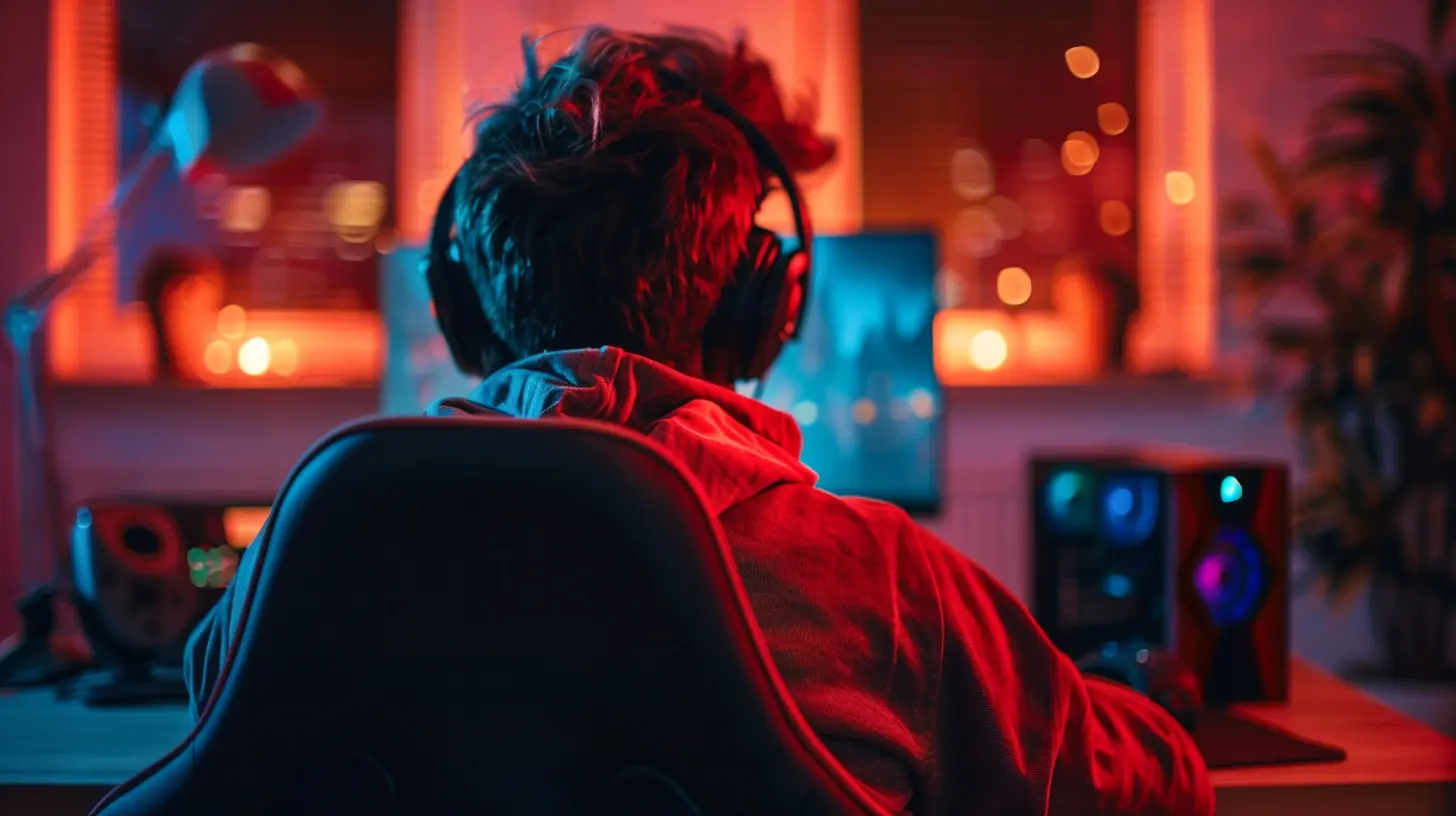
The Mental Health Benefits of Being in a Gaming Community
Let’s break this down a bit more. How exactly do gaming communities help people’s mental health?1. Reduced Feelings of Loneliness
Let’s not sugarcoat it—loneliness sucks. And it's more common than you think. But being active in a gaming community means you’re never really alone. Even during pandemic lockdowns, gamers had their squads, guilds, and servers buzzing with activity.You could be living in a tiny apartment in New York and still be best buds with someone from Sweden, all thanks to online gaming. That sense of belonging? It’s a big deal for mental well-being.
2. Safe Spaces for Expression
Gaming communities often double as safe spaces for people dealing with emotional distress. Many Discord servers have dedicated channels for mental health discussions. Players share their struggles, offer advice, or simply lend a listening ear.It’s not therapy—but it’s support. And sometimes that’s enough.
3. Routine and Stability
Games offer structure. You log in at certain times, you join your crew, you have your roles. For someone struggling with depression or anxiety, that predictable routine can be incredibly grounding.It’s like having digital appointments with friends who count on you. That accountability makes it harder to slip too far into isolation.
4. Empathy and Emotional Intelligence
Funny how yelling “Revive me, dude!” can lead to deeper conversations later. In co-op games, players learn to empathize with each other. You look out for your squad. You care when someone’s not acting like themselves.Over time, this nurtures emotional intelligence. It teaches people how to notice and respond to others' moods—key skills in both online and offline relationships.
5. Shared Goals = Emotional Bonding
Having a common goal makes people bond, fast.Defeating a boss you’ve been stuck on for weeks isn’t just about beating the game—it’s a shared victory. That feeling of “we did it together” creates trust and closeness. It’s therapy wrapped in pixels.
Real Stories, Real Impact
Let’s put a face to this.There’s a story of a young man who was on the brink of giving up. He struggled with severe depression and had practically zero support in real life. But through an MMO (massively multiplayer online game), he found a group that not only accepted him but also noticed when something was wrong. When he didn’t log in for a few days, they messaged him, voiced concern, and even encouraged him to seek help.
Long story short, he did. And he credits that gaming group for saving his life.
That’s not a one-time thing.
There are countless similar stories—gamers sharing resources about mental health hotlines, encouraging therapy, or just being emotionally available during dark times.
Are There Risks Too?
Okay, let’s not idealize things. Not all gaming spaces are sunshine and virtual hugs.Toxicity is a problem in many online games. Harassment, bullying, and hate speech can create stressful environments that worsen mental health instead of improving it. But this doesn’t mean all gaming communities are void of value. It just means we need to choose our virtual neighborhoods wisely.
Just like in real life, some corners of the internet are better than others.
The Role of Game Developers
The good news? Game developers are waking up to this. More games now include reporting systems, mental health resource links, and in-game messaging that promotes kindness and empathy.Some companies are even collaborating with mental health organizations to provide help right where players need it. It’s a growing trend—and honestly, it’s heartwarming to see.
How To Connect with a Healthy Gaming Community
Alright, you’re convinced. So how do you find a gaming group that actually supports mental health?Here’s a quick cheat sheet:
- Join Positive Discord Servers: Look for ones with mental health channels or community guidelines that promote respect.
- Follow Streamers Who Advocate Mental Health: Many Twitch streamers are open about their struggles and foster inclusive, supportive communities in their chats.
- Look for Reddit Threads: Subreddits like r/gaming or r/girlgamers often have megathreads discussing mental health and support.
- Use In-Game Clan Features: Games like Destiny 2, WoW, and Final Fantasy XIV have clan or guild systems—many of which welcome new players and focus on emotional well-being just as much as performance.
- Be That Safe Space: Add to the solution. Be kind. Listen. Check in on your online buddies.
The Future of Gaming and Mental Health
If the current trends hold, gaming might just become one of the most accessible mental health support systems available. Sounds wild, right? But it’s already happening.We might soon see built-in AI-driven emotional check-ins, community moderators with mental health training, or even cross-platform mental wellness programs. The lines between entertainment and emotional support are blurring—and that’s a good thing.
Final Thoughts: Pixels, People, and Purpose
So, the next time someone tells you to “go outside and touch grass” because you’ve spent a few hours gaming, maybe let them know what’s really going on behind the screen.Gaming communities aren’t just for fun—they can be lifelines. They can catch people when they’re falling through the cracks. They can help someone feel seen, heard, and loved again.
And who knows? Maybe the next time you log in, you’ll be the one who makes someone else’s day a little bit better.
Because sometimes, saving the world isn’t just a game—it’s what you do for the people playing it with you.
all images in this post were generated using AI tools
Category:
Gaming And Mental HealthAuthor:

Whitman Adams
Discussion
rate this article
1 comments
Hesper Elliott
This article highlights the vital role gaming communities play in supporting mental health. By fostering connections and offering a sense of belonging, these groups provide valuable resources for individuals facing emotional challenges. It's a refreshing perspective on gaming culture.
July 10, 2026 at 2:50 PM
Whitman Adams
Thank you for your thoughtful comment! I'm glad you found the perspective on gaming communities' impact on mental health meaningful. Their role in fostering connections is truly invaluable.