How AI is Influencing the Future of Game Remakes
12 May 2026
The future of gaming is being rewritten — literally — by artificial intelligence. Remember the nostalgia of classic games like Final Fantasy VII, Resident Evil 2, or even the old-school Doom? As much as we loved them in their original pixelated form, let’s face it — they were limited by the technology of their time.
Fast forward to today, and game remakes have become not just a trend, but a booming sub-industry in gaming. And now, AI is stepping in to turn the dial up to 11. We're not just talking about better graphics or smoother gameplay. No, artificial intelligence is fundamentally reshaping how game remakes are made, how fast they can be delivered, and even how immersive the end product becomes.
So, how exactly is AI changing the remake game? Let's break it down.
Why Game Remakes Matter (And Why AI Is a Game-Changer)
Let’s get something out of the way. Why do developers even care about remakes? It's more than just capitalizing on nostalgia. Game remakes are a chance to:- Reintroduce iconic games to a new generation
- Fix flaws from the original versions
- Leverage today’s hardware to enhance storytelling
Now, enter AI — the silent workhorse behind the scenes. Think of it like a master mechanic that not only repairs an old muscle car but upgrades it with self-driving capabilities, solar charging, and creature comforts you didn’t know you needed.
Enhanced Graphics: AI Upscaling and Texture Restoration
If you've ever compared an original PS1 game screenshot to its remake, the change is jaw-dropping. A huge chunk of this “wow factor” comes from AI-driven upscaling.What Is AI Upscaling?
AI upscaling involves feeding low-resolution images into machine learning models trained to predict and reconstruct high-res textures. Tools like NVIDIA DLSS (Deep Learning Super Sampling) are already doing this in real-time for newer games, but in remakes, the tech goes deeper.AI can analyze the original art style, recognize detail patterns, and apply super-resolution techniques. This means no more blurry textures or blocky edges. Characters now have pores, grass blades look real, and lighting feels like it's part of a Hollywood production.
Breathing Life into Old Assets
Imagine trying to repaint the Mona Lisa but in 8K. Tough, right? That's where AI steps in. It can enhance or even entirely rebuild textures, environments, and character models based on a combination of pattern recognition and artistic inference.This doesn't just streamline the process — it also helps maintain the original aesthetic while upgrading the visual fidelity.
Smarter NPCs and Adaptive Gameplay
Remember how dumb NPCs used to be in older games? Pathfinding was a mess, and conversations felt robotic. AI is fixing that too.Dialogue That Feels Real
Modern AI models like ChatGPT or GPT-4 are being experimented with in game development to create dynamic dialogues. In remakes, this means NPCs can offer new lines based on your actions, making gameplay feel fresh even for veterans.Instead of just looping through the same canned lines, characters can respond with context-aware dialogue. That townsperson you saved from a dragon? They remember you later. It's subtle, but it adds layers to immersion.
Smarter Enemies
AI-powered game enemies these days can adapt, flank, and even retreat. Reimagining boss fights with intelligent enemy behavior makes the original game feel like a walk in the park. AI lets developers give classic monsters a much-needed brain upgrade — and trust me, it shows.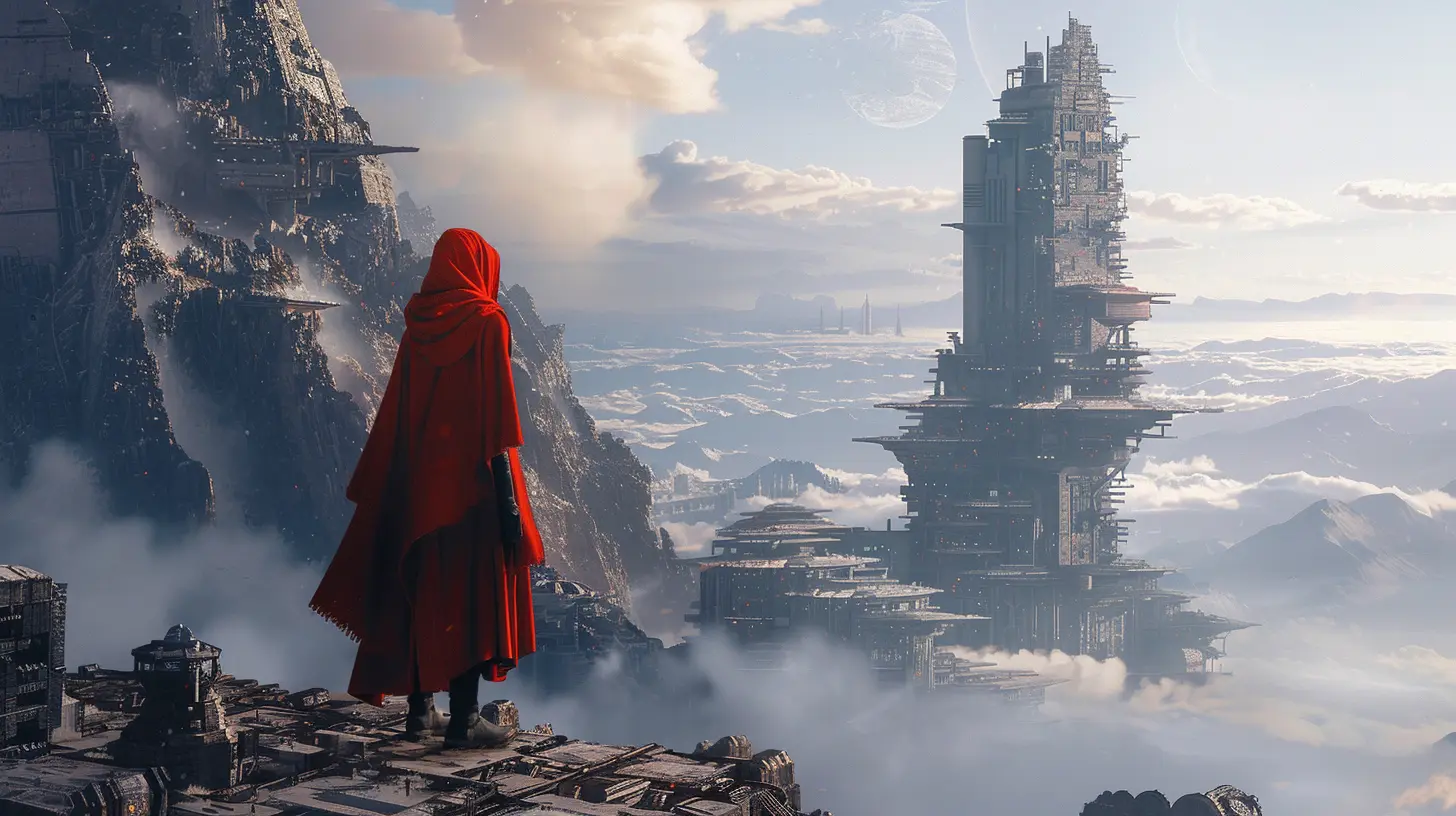
Procedural Content Generation: Filling the Gaps
One of the biggest headaches in remaking old games is dealing with outdated or missing assets. Sometimes the original source code is lost, or the game world feels too empty by today’s standards.Procedural World Building
AI can help by using procedural generation to create environments, side quests, and even lore-based content. Think of it as AI playing the role of a supercharged dungeon master — it knows the rules, the tone, and the characters and then builds cohesive parts of the world using that knowledge.This tech reduces development time and adds infinite replay value. No two playthroughs feel the same when AI adds minor changes to the world dynamically.
Voiceovers, Soundtracks, and Sound Design
Remaking voiceovers or soundtracks takes time, actors, and expensive studio sessions. AI is now lending its voice — literally — to this side of development.AI-Generated Voice Cloning
Let’s say a voice actor from a 1995 game is no longer available. AI tools like Respeecher and Replica Studios can re-create that voice using just a few hours of audio samples. This keeps the authenticity of the original while enabling new lines of dialogue.Of course, ethical concerns exist, but with the right permissions, it’s an absolute game-changer.
Soundtrack Enhancement
AI can remix or recreate old 16-bit soundtracks into orchestral masterpieces. By analyzing tempo, mood, and style, AI models help composers give retro music a modern twist without losing its soul.Faster Development Cycles
One of the most practical benefits of AI is simply speed. Coding, animating, modeling, rendering — all of these tasks take months or even years. AI is helping to reduce that.Automated Debugging and QA Testing
AI tools are becoming essential in quality assurance. Instead of human testers spending thousands of hours to find bugs, AI can simulate gameplay actions at scale — jump into walls, spam buttons, and try unexpected sequences.It’s like having a robot army of playtesters working 24/7.
Code Assistance
AI coding assistants like GitHub Copilot or Tabnine help developers write and debug scripts faster. This becomes especially helpful when dealing with outdated programming languages or systems used in the original game.Personalized Player Experiences
Here's where it gets really interesting. AI enables games to adapt to how you play — not in a creepy way, but in a genuinely intuitive manner.Adaptive Difficulty
Remakes can now include AI-driven difficulty that adjusts in real time based on your skills. Dying too often? The game might offer subtle assists. Destroying enemies too easily? It ramps up the challenge.AI in Level Design
Imagine level layouts that subtly change to fit your play style. Maybe you like stealth? The AI notices and adds more hiding spots. Prefer going in guns blazing? It places more ammo and tougher enemies.Remakes can now bend themselves around the player experience more than ever before.
AI and the Preservation of Gaming History
Here’s something most people overlook: AI is helping to preserve games that would otherwise be lost. Game preservation is a big deal, especially as older games become unplayable due to hardware limitations.Reverse Engineering and Data Recovery
Some classic games have no complete source code available. AI can analyze existing binaries or gameplay recordings to rebuild missing parts. It’s like using DNA to reconstruct a dinosaur (Jurassic Park, anyone?).AI tools can even recover corrupted files, recreate missing textures, or infer logical code behavior by analyzing patterns. It's wild.
Ethical and Creative Concerns: Is AI Doing Too Much?
Now, let’s not pretend it’s all sunshine and rainbows. As amazing as AI is, it comes with its own set of concerns.The Human Touch
AI is great at mimicking, but it doesn’t create soul on its own. There's a real fear that studios might over-rely on AI, cutting corners and replacing human creativity.Voice Actor Rights
Cloning a voice is cool tech, but it’s a legal and ethical minefield. Does the actor get royalties? Was consent given? These are messy topics, but they’re important.Authenticity vs. Innovation
Some fans argue that too much AI intervention alters the game’s original charm. Where’s the line between a remake and a reboot? Should every detail stay faithful, or is change a good thing?Where We’re Headed: The Next Evolution
AI’s impact on game remakes is just getting started. Looking ahead, we could see:- Fully AI-generated remakes
- Personalized story arcs based on your gameplay history
- Real-time translation and localization using neural networks
- Remakes that evolve over time with seasonal AI-generated content
Imagine a world where you load up a remake from your childhood, and it feels both familiar and brand new — not because humans spent years redesigning it, but because an AI knew exactly what you loved about it... and built on that foundation.
Conclusion: AI Is the Ultimate Co-Pilot for Game Remakes
There’s no doubt about it — AI is transforming how we remake games. From stunning visuals and smarter NPCs to faster development pipelines and personalized experiences, AI is making remakes more than just a facelift. It's turning them into reimaginings — faithful to the original but powered by the future.And while we need to tread carefully (especially when it comes to ethics and creative vision), one thing’s clear: the intersection of AI and game remakes is opening doors we never thought possible.
So next time you boot up that shiny new version of a game you loved as a kid, you might want to tip your hat — not just to the devs, but to the AI humming quietly behind the scenes.
all images in this post were generated using AI tools
Category:
Game RemakesAuthor:

Whitman Adams
Discussion
rate this article
2 comments
Zoey Mendez
Excited to see how AI shapes our favorite game classics!
July 17, 2026 at 3:27 AM
Betsy McNaughton
This article offers a fascinating look at how AI is reshaping game remakes. The ability to enhance graphics, improve storytelling, and streamline development processes means classic games can be revitalized in exciting ways. It's an exciting time for both developers and players as nostalgia meets cutting-edge technology. Great read!
May 12, 2026 at 4:44 AM
Whitman Adams
Thanks for the thoughtful comment! I'm glad you enjoyed the read and see the potential AI brings to game remakes. It's an exciting time for sure!