Tactical Advantage: Terrain Exploitation in Strategy Games
9 December 2025
When it comes to strategy games, mastering terrain exploitation is like having a secret weapon in your back pocket. Sure, you can have the biggest army or the best weapons, but if you’re not using the battlefield to your advantage, you’re missing out on a massive opportunity to outsmart your opponent. Think of it as playing chess: the pieces are important, but if you don’t know how to control the board, you’ll likely end up on the losing side.
So, let’s dive into the nitty-gritty of how terrain can play a critical role in strategy games and, more importantly, how you can leverage it to achieve tactical dominance.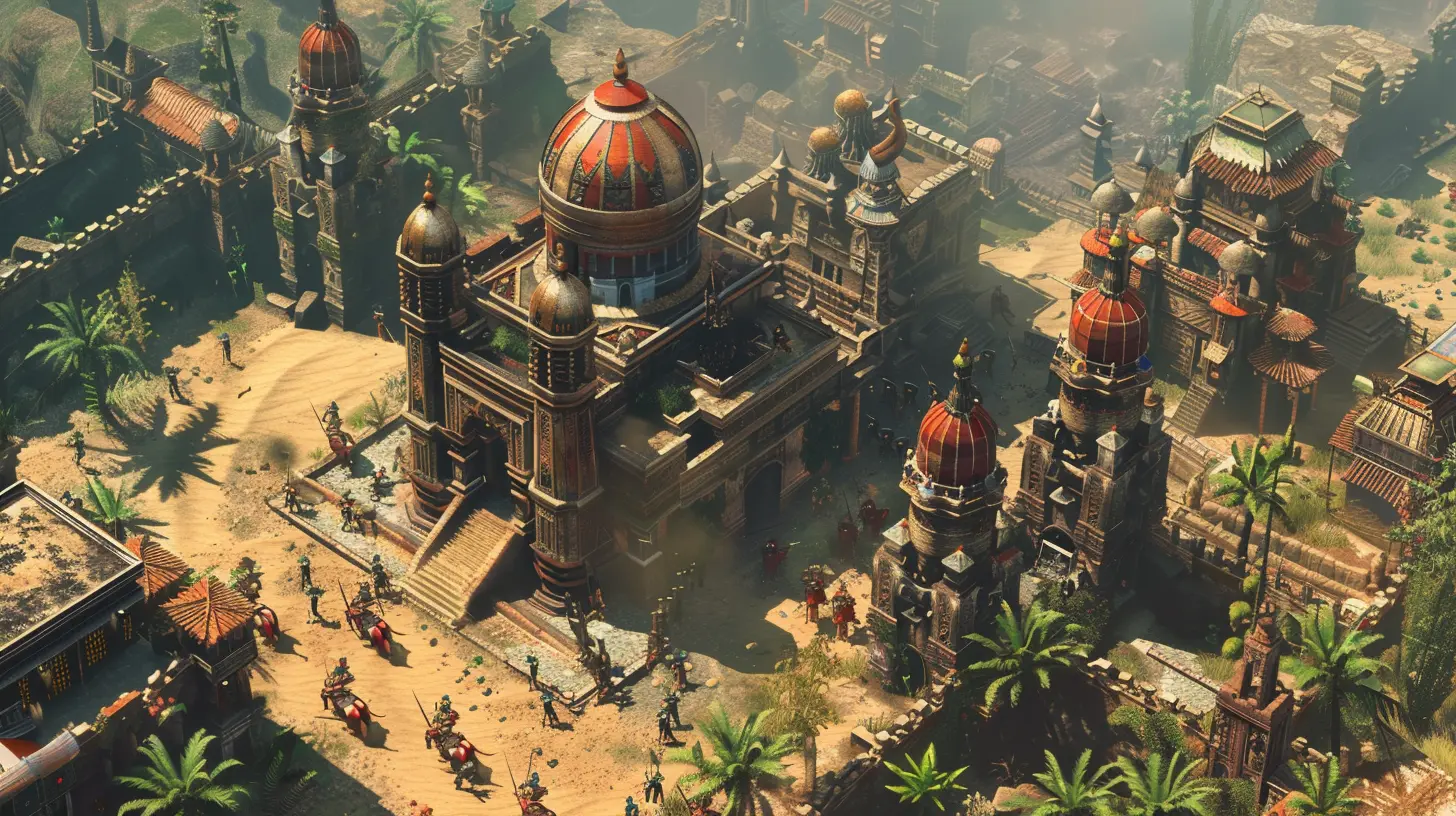
What is Terrain Exploitation?
Alright, first things first—what does "terrain exploitation" even mean? In simple terms, it’s about using the geography of the battlefield to gain an advantage. Whether that’s hiding in forests, taking the high ground, or using rivers as natural barriers, you're essentially turning the map itself into a strategic tool.Think about it: geography impacts real-world battles, so it’s no surprise that strategy games also emphasize this aspect. The terrain isn’t just window dressing; it’s a dynamic part of your game plan.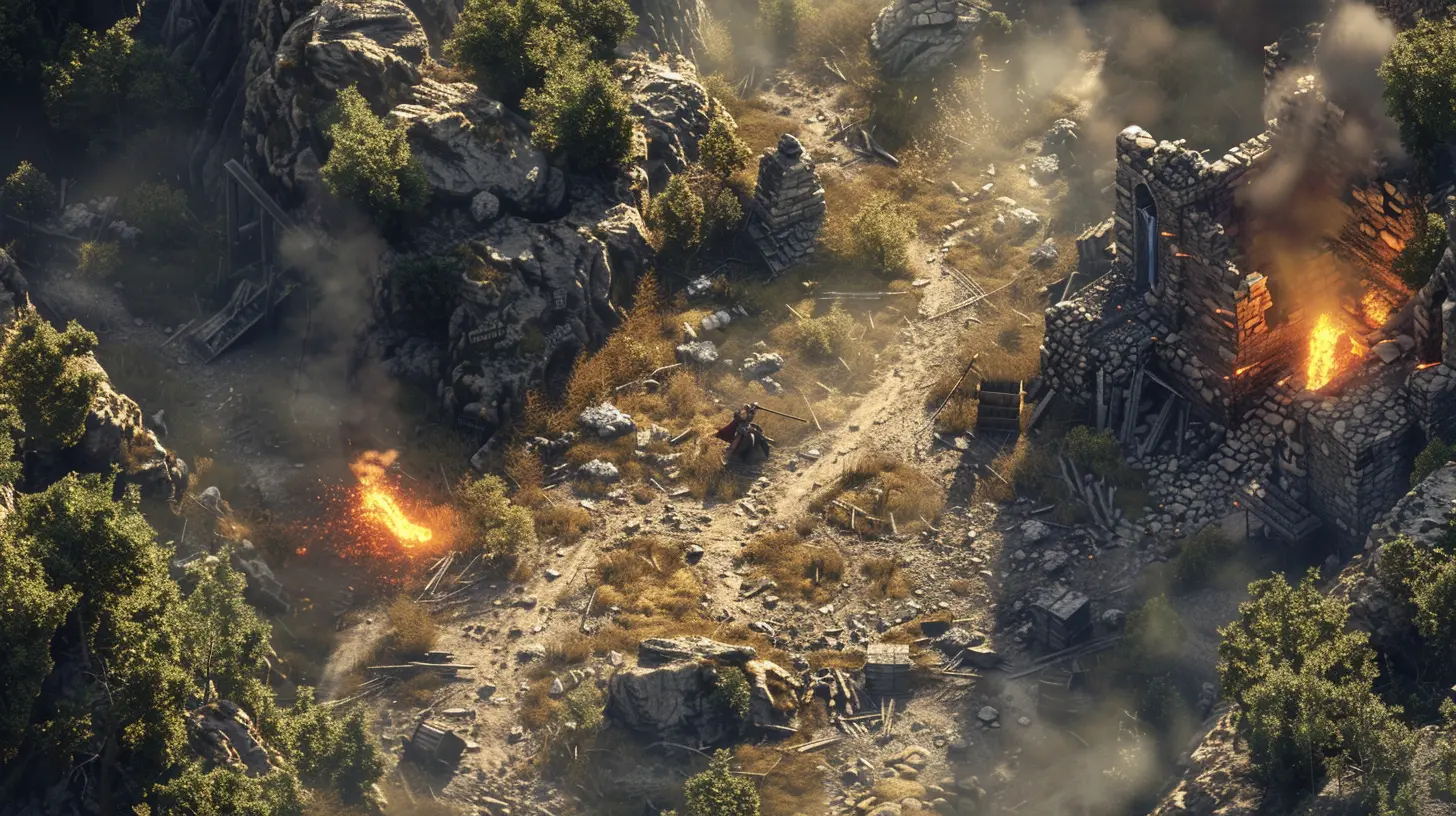
Why Terrain Matters in Strategy Games
If you’ve ever played a strategy game, you know how important it is to think a few steps ahead. Terrain factors into that because it changes the way battles unfold. Here’s why it matters:1. Defensive Advantages
Ever notice how defending a hilltop or hiding in the trees can give you an edge? High ground and dense terrain often reduce incoming damage or make it harder for enemies to hit you. It’s as if Mother Nature herself is handing you a shield.2. Movement and Accessibility
Choke points, bridges, or rough terrain can dictate how units move. If you control key pathways, you control the pacing of the game. It’s like being a bouncer at an exclusive club—you decide who gets in and when.3. Vision and Ambushes
Line of sight is another big deal. Forests, mountains, or foggy areas can conceal your troops, letting you set up devastating ambushes. Remember that time you snuck your units into a valley and decimated an unsuspecting enemy force? That’s terrain exploitation in action.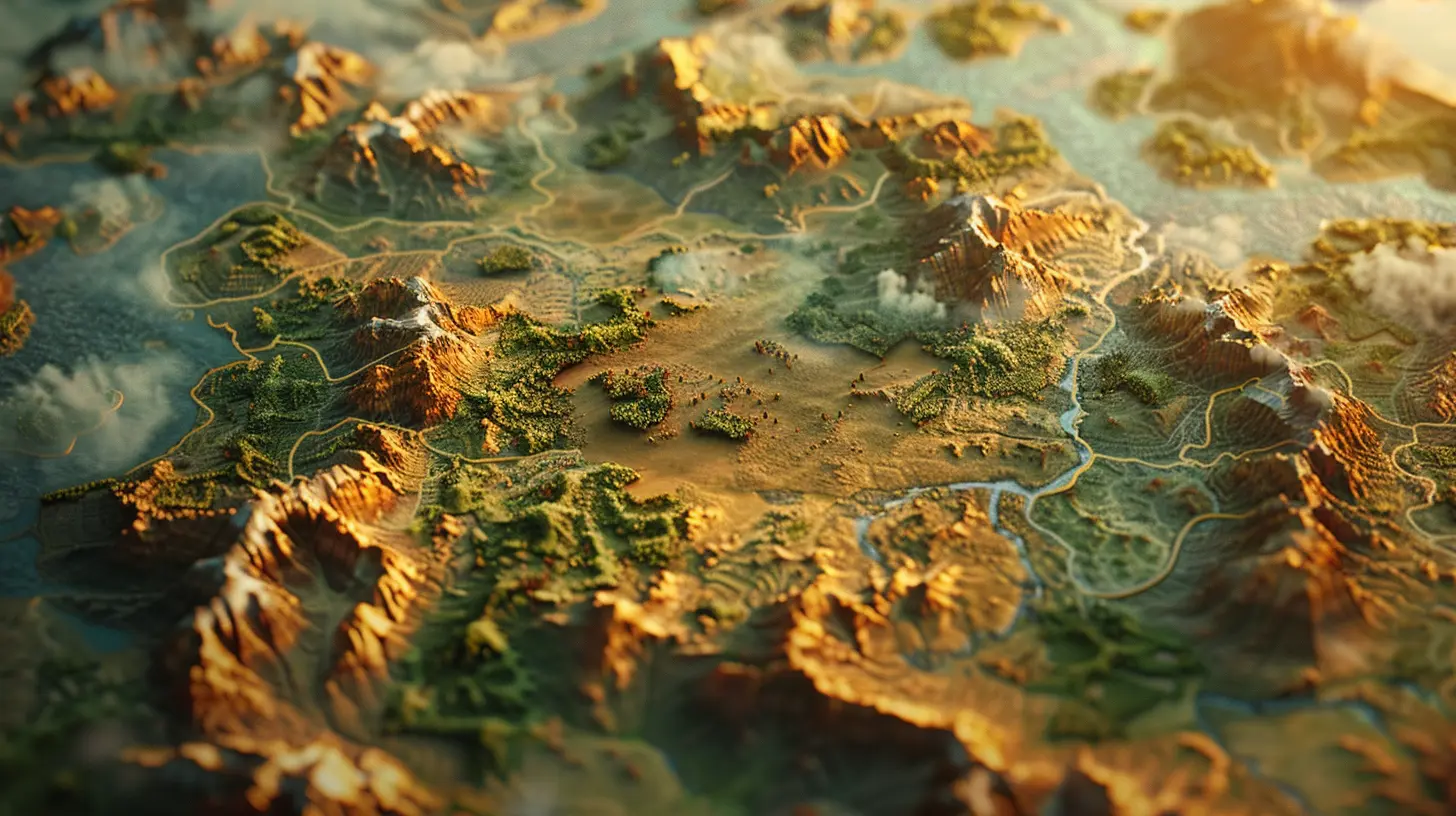
Key Types of Terrain and How to Use Them
Now that we’ve covered the "why," let’s get into the "how." Different types of terrain offer various benefits and challenges. Understanding these can be the difference between victory and defeat.1. High Ground: The King of Terrain
You’ve probably heard the phrase “take the high ground” a million times, but it’s repeated for a reason—it works. Units on higher terrain usually deal more damage or have a better field of vision. In games like StarCraft or Age of Empires, holding the high ground often means controlling the battlefield.Pro Tip: Use high ground to fortify your position and scout enemy movements. If you’re on the attacking side, try to lure your opponent down instead of charging uphill.
2. Forests: Nature's Cloak
Forests are like the sneaky ninjas of terrain. They provide cover and concealment, making them perfect for setting up ambushes or hiding vulnerable units from ranged attacks. However, they can also slow your movement—so timing is key.Pro Tip: In games like Total War, position archers just outside the forest for a surprise attack. The trees will protect them from cavalry charges while their arrows rain terror on your foes.
3. Choke Points: The Bottlenecks of Doom
Choke points turn the tide of many battles. These are narrow areas, like bridges or mountain passes, where only a limited number of units can pass through at once. By funneling enemies into these bottlenecks, you can counter larger armies with a smaller, more focused force.Pro Tip: Block key choke points with sturdy units or defensive structures while your ranged units deal damage from afar. It’s like herding sheep—except the enemy is the sheep, and you’re the shepherd with a flamethrower.
4. Waterways: Friend or Foe?
Water can be both a blessing and a curse. Rivers and lakes create natural barriers, but they can also limit your movement. In naval strategy games like Battlestations: Pacific, waterways become your playground for outmaneuvering enemies. In land-based games, bridges over rivers can become hotly contested zones.Pro Tip: Use waterways to control enemy access to critical areas. Destroy a bridge to delay their advancement or position units to ambush anyone attempting to cross.
5. Urban Areas: Concrete Jungles
Urban maps add another layer of complexity. Buildings provide cover, and narrow streets create chokepoints. However, these areas also limit movement and make it easier for enemies to trap your units.Pro Tip: Use urban terrain to your advantage by deploying sharpshooters in elevated buildings. Block off streets with barricades to funnel enemies into kill zones.
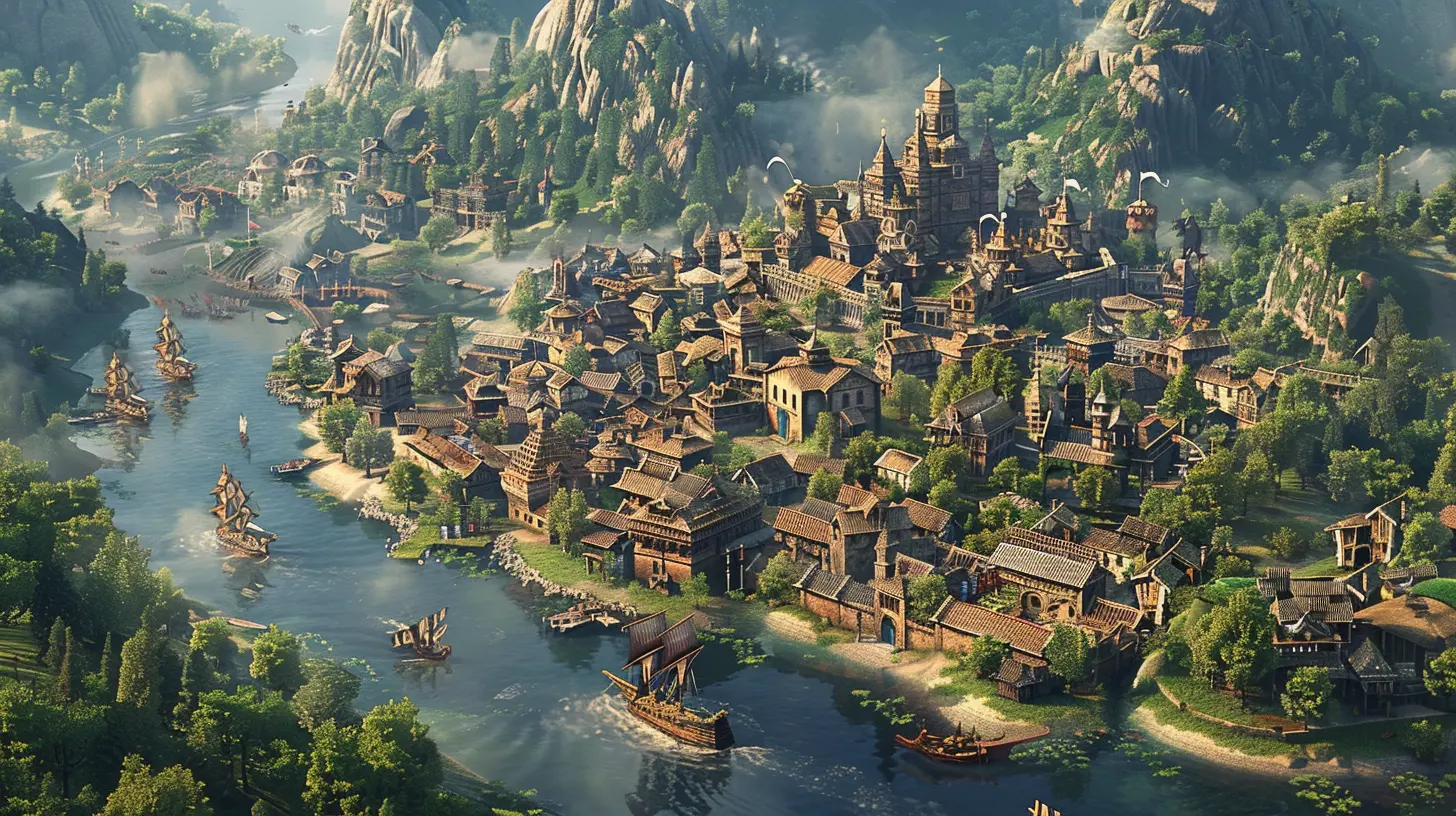
Examples of Terrain Exploitation in Popular Games
Want to see terrain exploitation in action? Here are some examples from iconic games that put this concept front and center:1. Total War Series
The Total War games are a masterclass in terrain exploitation. Whether you’re holding a ridge in Rome: Total War or using forests for ambushes in Three Kingdoms, the terrain can make or break your campaign.2. StarCraft II
The high ground mechanic in StarCraft II adds a layer of tactical depth. Units on high ground gain not only better vision but also a defensive advantage, making map control crucial in competitive matches.3. Company of Heroes
In this World War II-themed game, terrain dictates cover. Positioning your units behind walls, sandbags, or in trenches can drastically reduce enemy fire damage. Neglecting terrain will quickly lead to your troops being wiped out.4. Civilization VI
Here, terrain exploitation goes beyond battles—it impacts your entire civilization. Mountains provide natural defense but limit expansion. Strategic placement of cities and units can spell the difference between thriving and being overrun.Strategies to Master Terrain Exploitation
Now that you’ve seen how terrain works, how do you master it? Here’s a quick checklist to help you dominate:1. Scout Before You Act
Always explore the map. The more you know about the terrain, the easier it’ll be to exploit it. Use scouts or fast-moving units to gain this intel.2. Adapt to the Map
Instead of forcing your usual tactics, adapt to the map. If it’s full of choke points, focus on defense. If it’s open terrain, prioritize mobility.3. Play Mind Games
Use the terrain to deceive your opponent. Fake an attack on one side, then ambush them from a concealed forest or mountain pass.Conclusion
Exploiting terrain isn’t just a strategy; it’s an art form. It’s about turning the battlefield into a chessboard where every hill, river, and forest becomes a piece in your grand plan. Whether you’re a newcomer or a seasoned strategist, mastering terrain exploitation will not only boost your win rate but also make the game infinitely more rewarding. So, next time you fire up your favorite strategy game, don’t just look at the map—study it, feel it, and, most importantly, use it.all images in this post were generated using AI tools
Category:
Game StrategiesAuthor:

Whitman Adams
Discussion
rate this article
3 comments
Zayne Hamilton
Terrain exploitation in strategy games elevates tactical depth, transforming landscapes into dynamic chessboards. Mastering this aspect not only enhances gameplay but also deepens player engagement and strategic foresight.
April 14, 2026 at 5:00 PM
Whitman Adams
I completely agree. Terrain can significantly change the balance of power, making each decision more impactful and engaging. Players who master it truly gain an edge.
Sylvia O'Neal
Great article! I love how you highlight the importance of terrain in strategy games. Understanding and exploiting the environment can truly turn the tide of battle. Your insights are invaluable for both new and experienced players. Can’t wait to apply these tactics in my next game! Keep up the fantastic work!
December 14, 2025 at 4:19 PM
Whitman Adams
Thank you for your kind words! I'm glad you found the insights valuable. Best of luck in your next game!
Thane Frye
Oh great, who knew ground was so overrated in games?
December 12, 2025 at 4:35 AM
Whitman Adams
Ground plays a crucial role in strategy games, impacting movement, visibility, and tactics—it's far from overrated!